


Article
Beginner Butt Plug Guide: What a Butt Plug Is, How It Works, and How to Use One Safely04/02/2026

Deals
Bestsellers
+38
Most-Loved Picks
Customer favorites for comfort, care, and everyday pleasure
Shop BestsellersSale · up to 40% off

+881
Soft Savings
Limited-time offers on body-safe essentials and feel-good favorites
View SaleSeasonal edit


+265
Seasonal Comfort Edit
Curated picks for holidays, date nights, gifting, and cozy nights in
Explore the EditFeatured
 Discreet Packaging
  Secure Checkout
  Body-Safe Materials
 Water-based lubricants use water as their primary carrier, which makes them the most universally compatible base type: safe with every condom material and every toy, including silicone. The two things that genuinely shape your experience are formula cleanliness and viscosity. On ingredients, check for glycerin-free and paraben-free options if you have sensitive skin or are prone to irritation. On texture, thin liquids feel closer to natural lubrication, while thick gels stay in place longer and suit toys or anal play better.
One honest trade-off: water-based formulas can dry down faster than silicone, so reapplication is normal for longer sessions.
Water-based lubricants come in several distinct formulas, and the differences between them are practical enough to matter. The right one depends on your skin, your toys, your activity, and how long you need the glide to last.
A thin liquid water-based lube has a consistency closest to the body’s own natural lubrication, which makes it a natural fit for everyday vaginal use and partnered intimacy. It spreads easily, absorbs quickly, and tends to feel the least intrusive. The trade-off is that it may need reapplication sooner than thicker options during longer sessions.
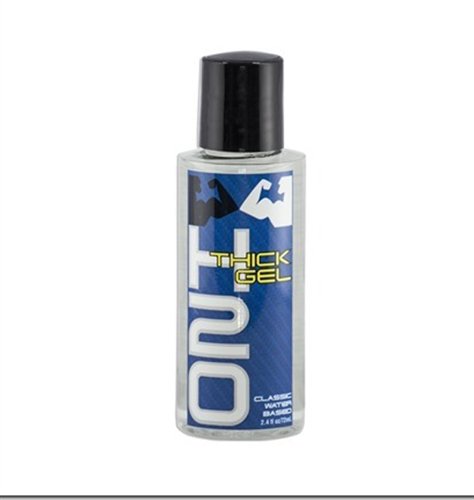
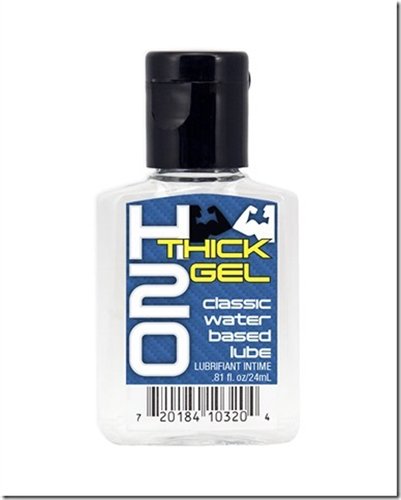
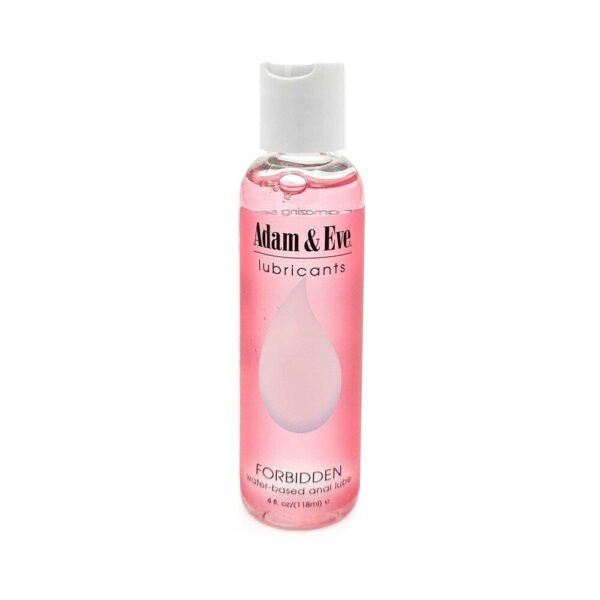
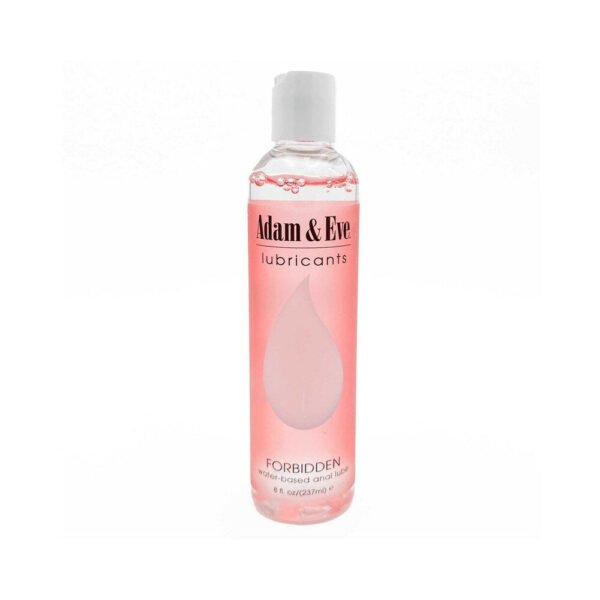
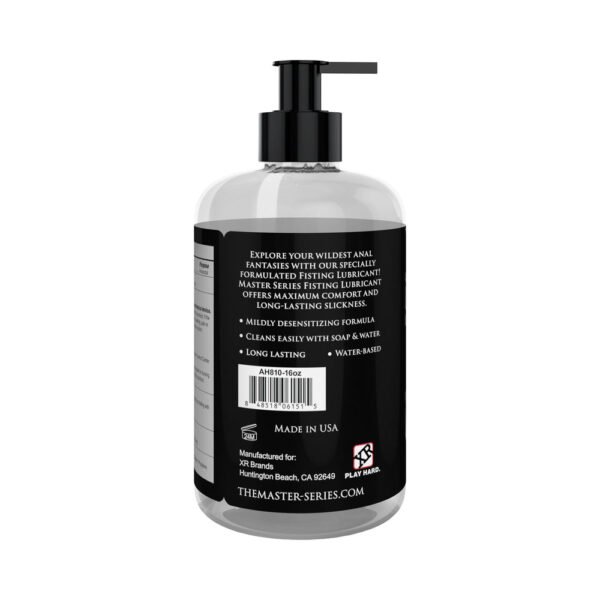
Thick gel water-based lubes stay where you put them, which is exactly the point. The denser consistency is especially well suited to anal play and toy use, where coverage and staying power matter more than a light, natural feel. Gels also work well with strokers and sleeves, since the formula fills the channel rather than running off.
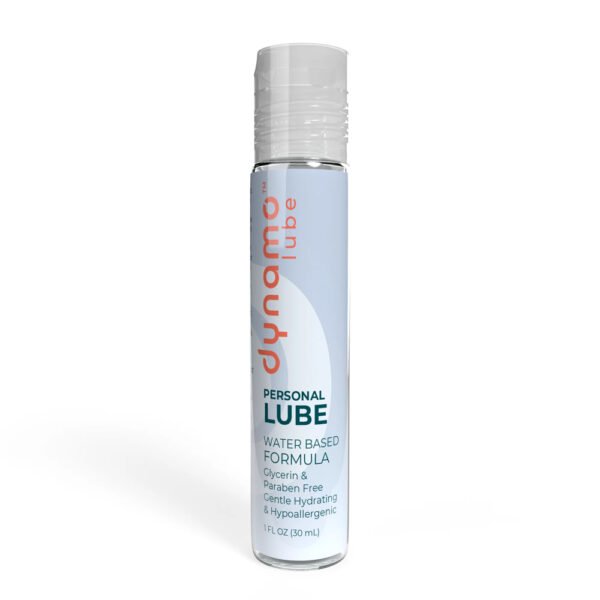
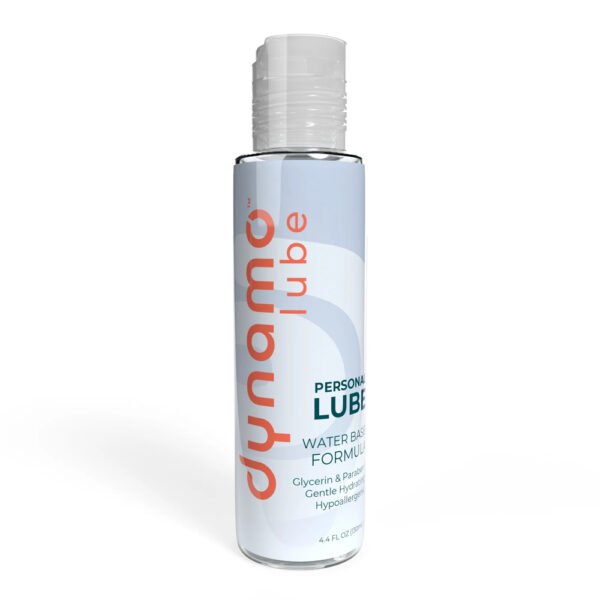
A glycerin-free water-based lubricant removes a common irritant for people who are prone to yeast infections or vaginal sensitivity. Paraben-free formulas skip a class of preservatives that some bodies react to. Many options in this category are both, and they are often the first recommendation for anyone with sensitive skin or a history of reactions to standard lubes.
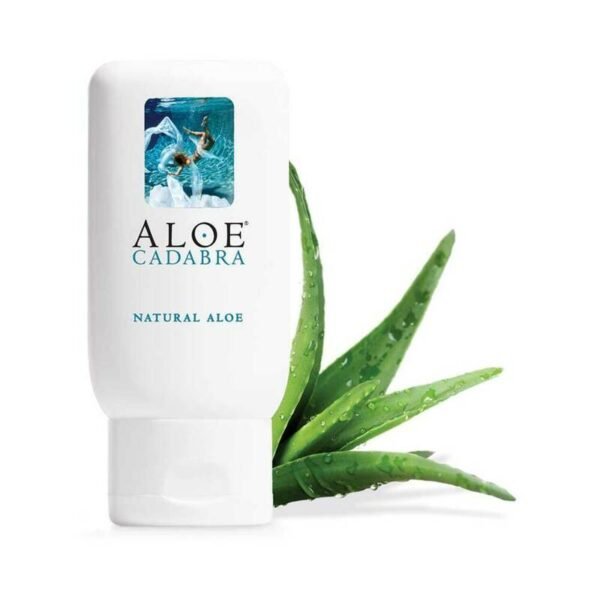
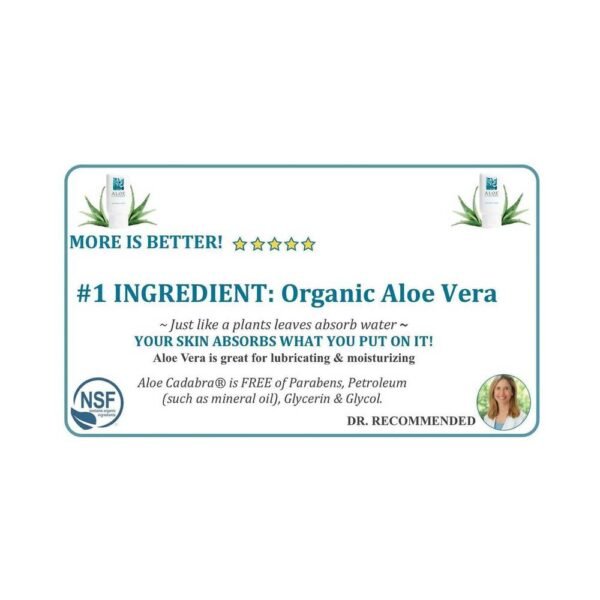
Aloe-based water-based lubes use organic aloe vera leaf juice as the primary carrier instead of plain water. The result is a silky, slightly richer glide that tends to last a little longer before drying down. This type is a solid pick for sensitive skin and for anyone who finds standard water-based formulas feel thin or short-lived.
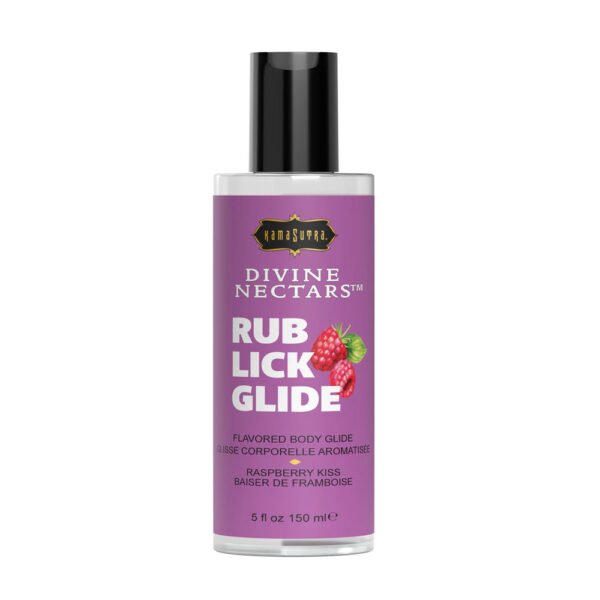
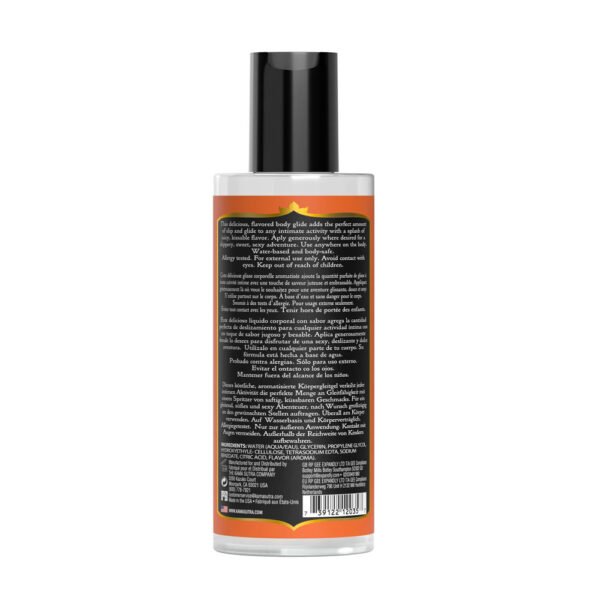
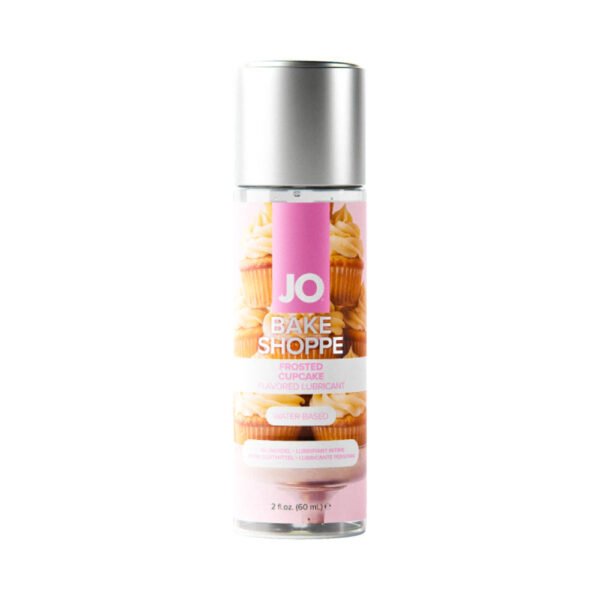
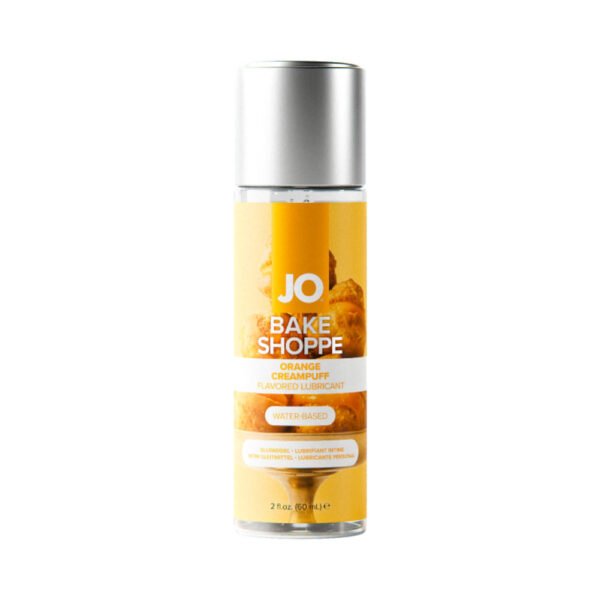
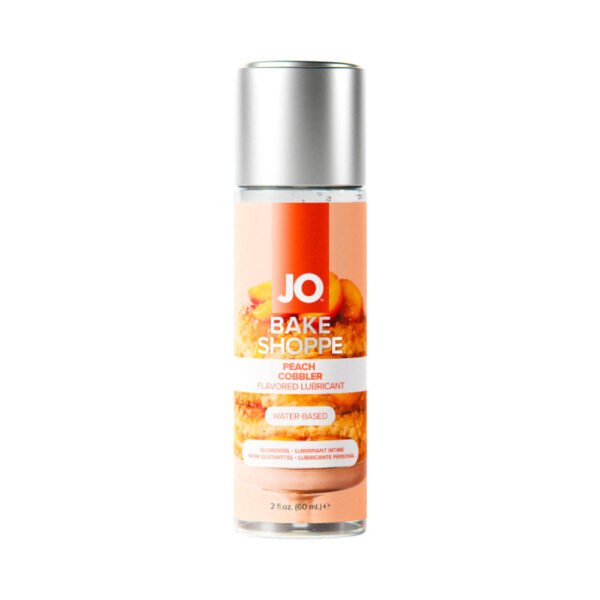
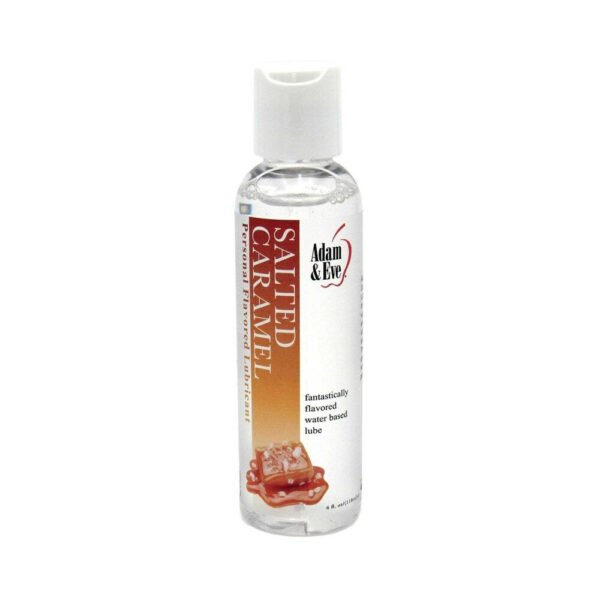
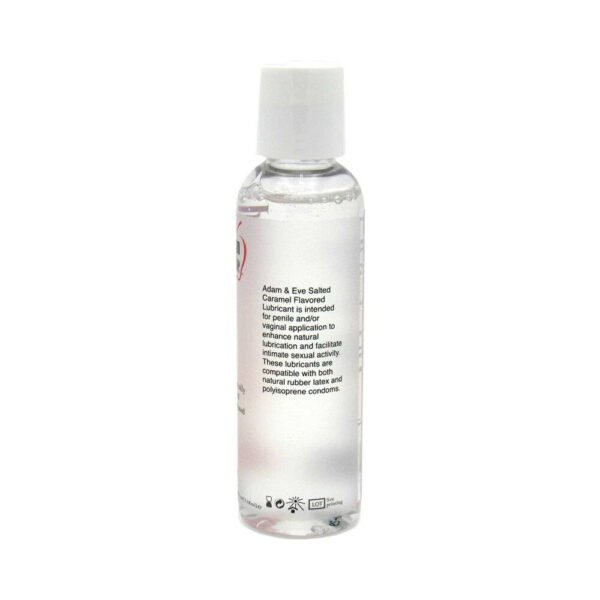
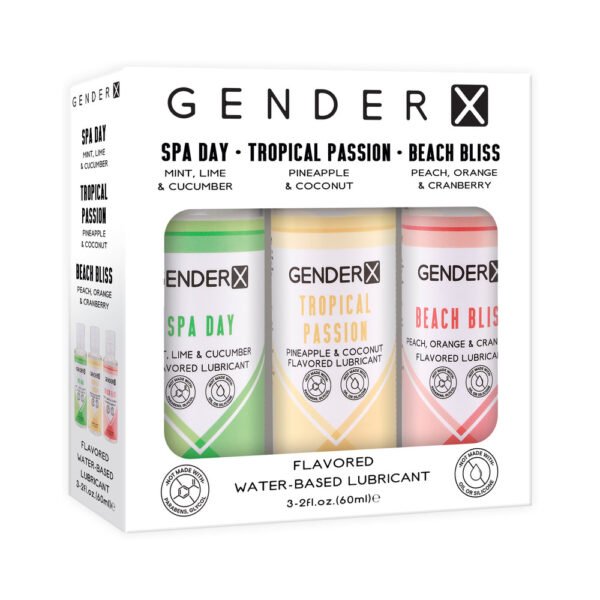
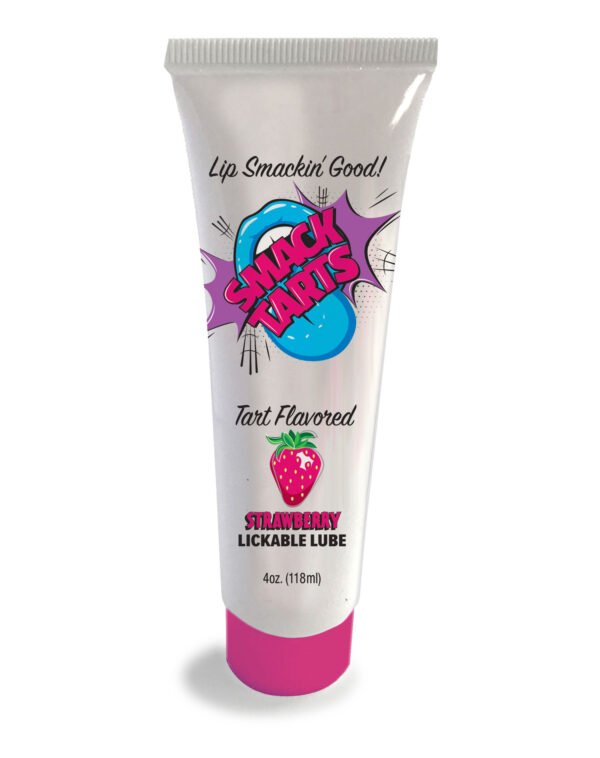
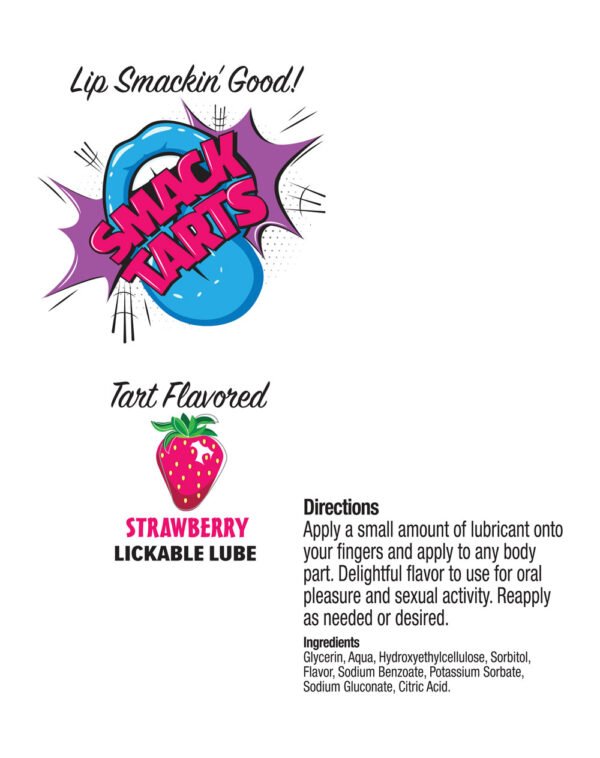
Flavored water-based lubricants are designed for oral use and intimate contact, with sugar-free options being the better choice for vaginal application. They come in a wide range of flavors, from fruit to dessert profiles, and share the same easy rinse-off and condom compatibility as unflavored versions. Worth checking: if you are prone to sensitivity, look for formulas that skip glycerin even in the flavored range.
Warming water-based lubes use plant-derived extracts, typically capsicum or ginger, to create a mild heat sensation on contact. The warmth is subtle rather than intense, and it fades as the formula dries down. This type suits people who want a little added sensation without switching to a different lube base entirely.
Foam water-based lubricants dispense as a light, airy lather that settles into a smooth glide on contact. The foam format is particularly easy to apply without drips, which makes it a practical option for toy use or any situation where a liquid or gel feels messy to handle. Most foam formulas are compatible with latex, polyisoprene, and silicone toys, though it is always worth confirming on the label.
The best water-based lubricant is the one that fits your body, your activity, and the toys or condoms you use. A few practical criteria narrow the field quickly.
Viscosity and ingredient profile do most of the work here, but packaging, certifications, and intended use also shape whether a formula actually suits your routine.
The table below compares a cross-section of formulas by key specs to help you see the differences side by side.
| Product | Texture | Key Formula Notes | Condom-Compatible | Toy-Safe | Volume |
|---|---|---|---|---|---|
| Dame Aloe Lube | Thin liquid | Organic aloe base, pH 4.0, glycerin-free, paraben-free, sugar-free, hyaluronic acid; FDA 510(k) cleared | Yes | Yes | 2 fl oz |
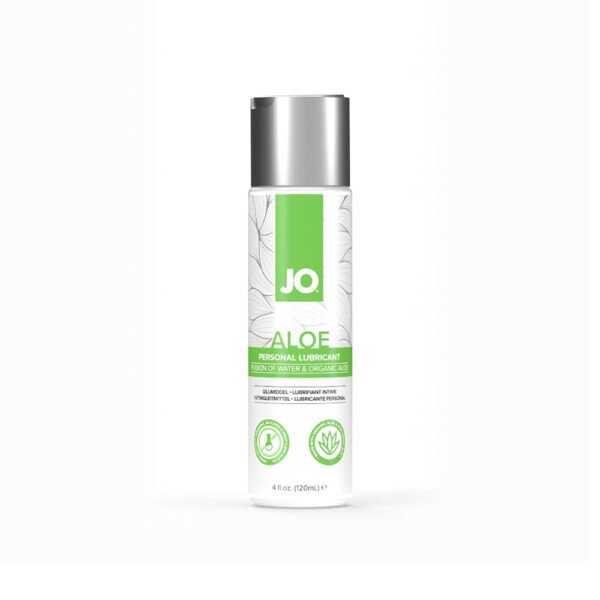
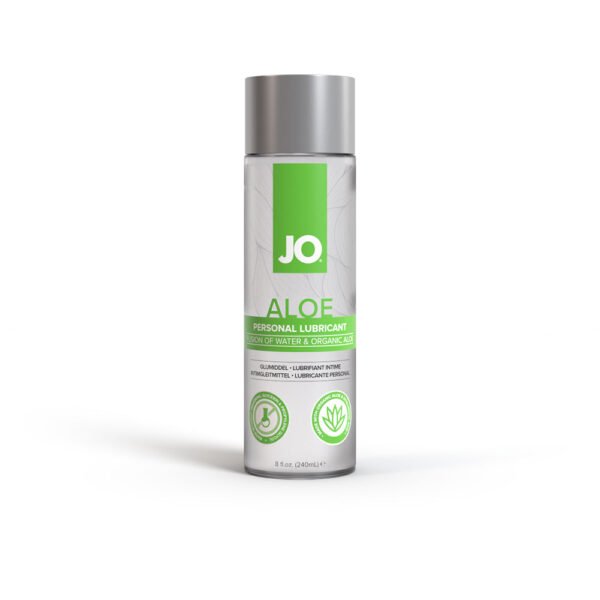
| JO Aloe | Thin liquid | Organic aloe, hyaluronic acid, glycerin-free, paraben-free, propylene glycol-free; FDA licensed, ISO certified | Yes (latex, polyisoprene, polyurethane) | Yes (silicone) | 4 fl oz |
| JO Agape Original | Thin liquid | Glycerin-free, paraben-free, glycol-free; propanediol base; pH-balanced | Yes | Yes | 8 fl oz |
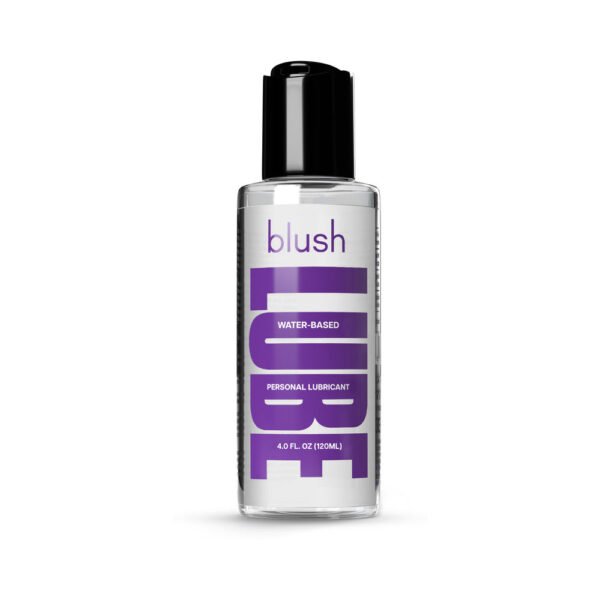
| Blush Lube | Thin liquid | Glycerin-free, paraben-free, propylene glycol-free; pH-balanced with citric acid; FDA 510(k) cleared, ISO 13485 | Yes (latex, polyisoprene) | Yes | 4 fl oz |
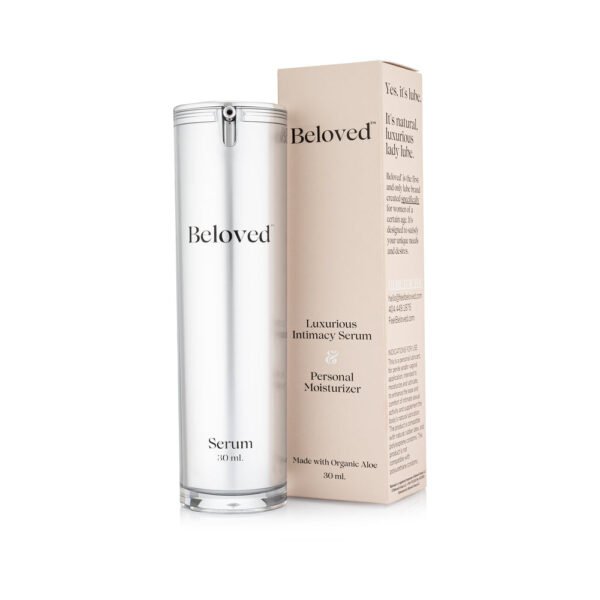
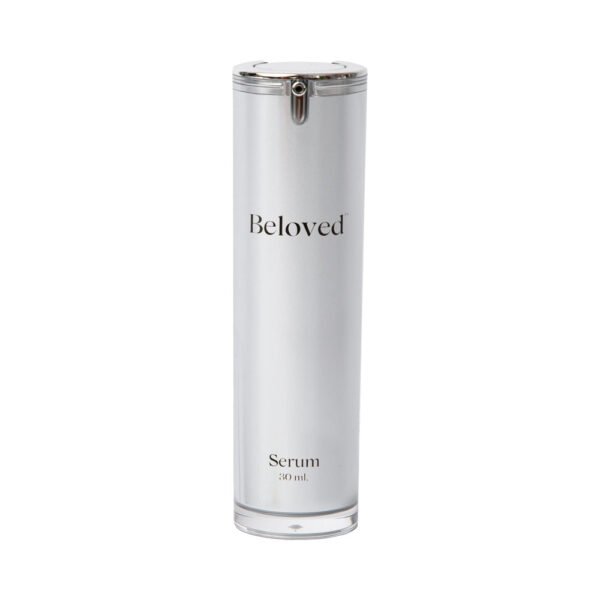
| Beloved Intimacy Serum | Thin liquid | Organic aloe, hyaluronic acid, mushroom extract, glycerin-free, paraben-free, silicone-free, fragrance-free; airless pump | Yes | Yes | 1 fl oz |
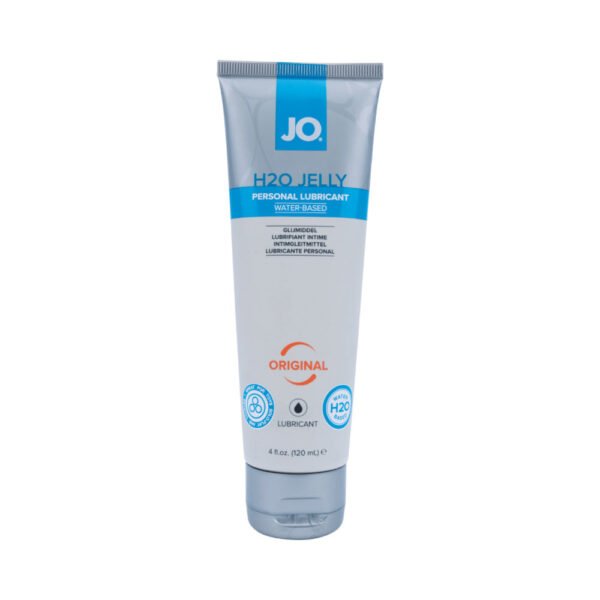
| JO H2O Jelly | Thick gel | Paraben-free, propylene glycol-free; cellulose gum base; adheres to surfaces | Yes | Yes (all toy materials) | 4 fl oz |
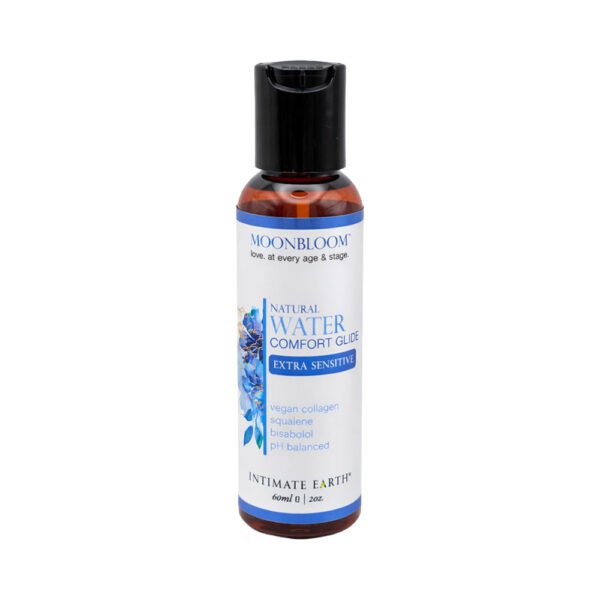
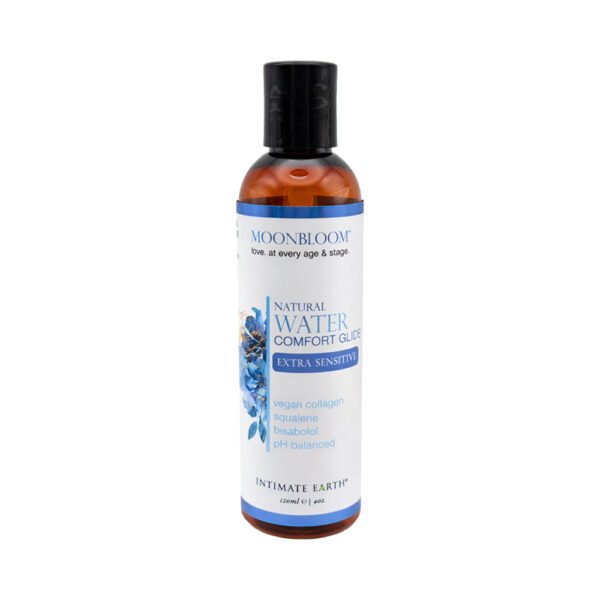
| Intimate Earth Moonbloom | Thin liquid | Vegan collagen, bisabolol, squalane; unscented, unflavored; extra-sensitive formula | Yes (latex, silicone) | Yes (silicone) | 4 fl oz |
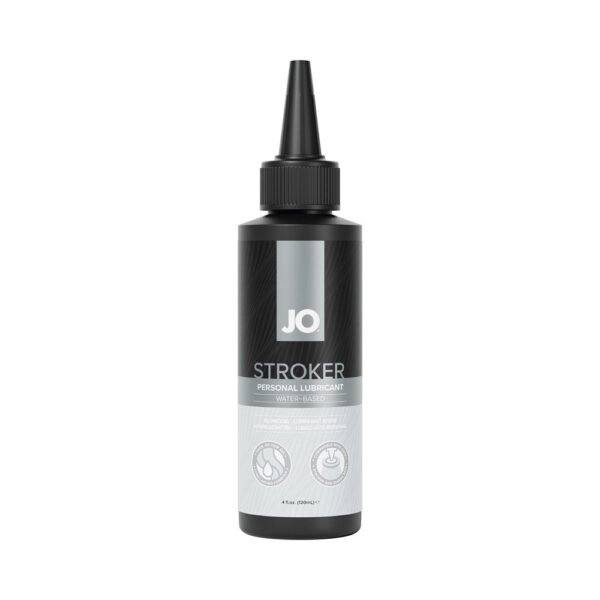
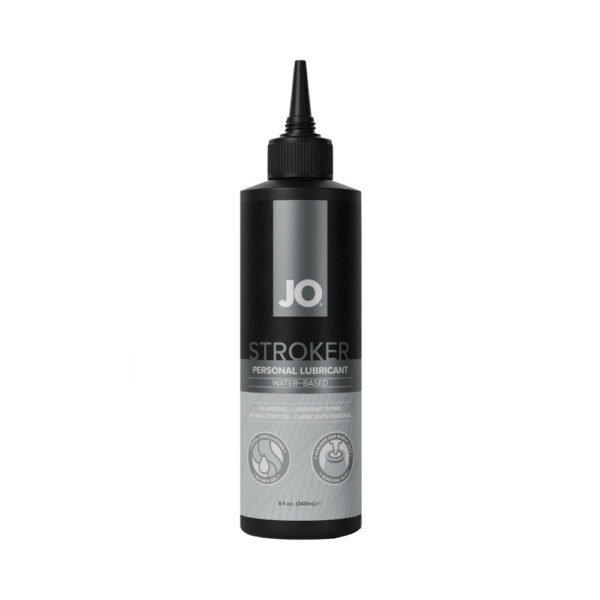
| JO Stroker | Thick gel | Dense, cushiony texture; precision-tip applicator; formulated for strokers and sleeves; FDA cleared | Yes (latex, polyisoprene) | Yes | 4 fl oz |
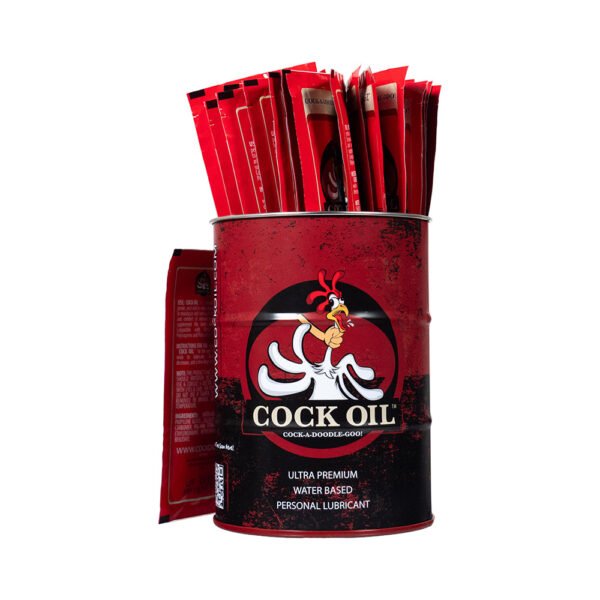
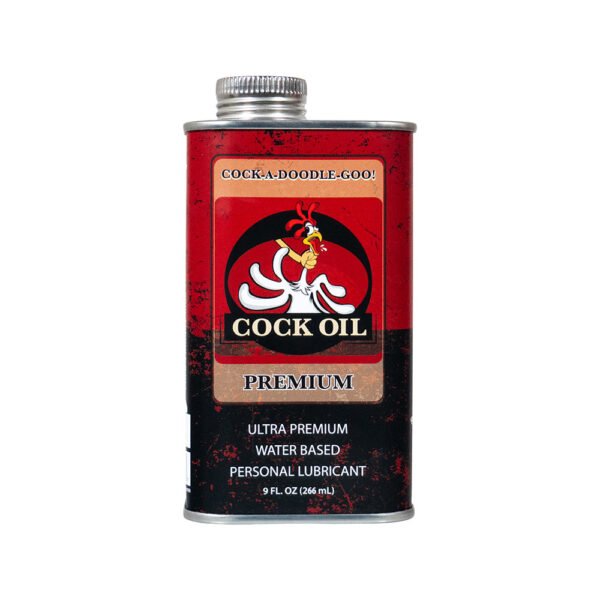
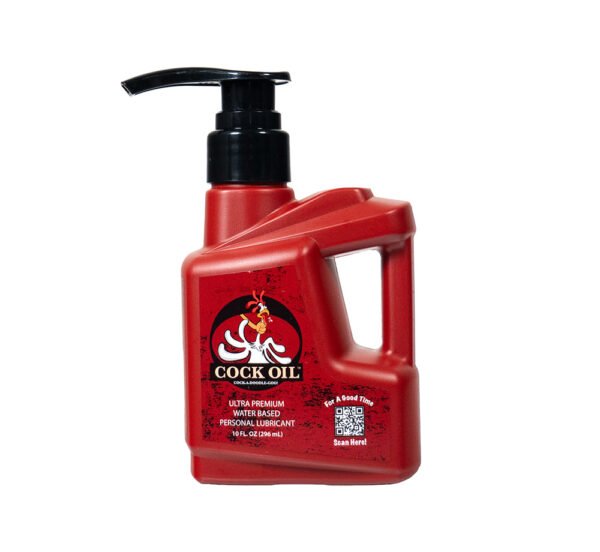
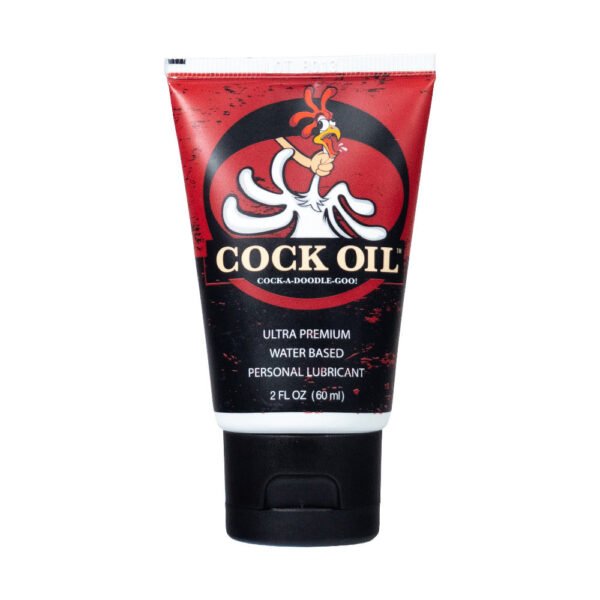
| Cock Oil | Thin liquid | Paraben-free; non-sticky, non-staining; FDA-regulated facility, 510(k) compliant; pump top | Yes (latex) | Yes (silicone) | 10 fl oz |
| Love to Love Super Smooth Foam | Foam | 99% natural-origin ingredients; carrageenan base; vegan, fragrance-free, dermatologically tested | Yes (latex, polyisoprene, polyurethane) | Yes (silicone, TPE) | 1.7 fl oz |
If you pair lube with latex condoms regularly, any formula in the table above is a safe match. For silicone toys specifically, water-based is the only base type that is universally compatible across every silicone toy material, which makes it the low-risk default when you are not sure of a toy’s exact composition.
Water-based lubes cover a wide range of bodies, activities, and preferences. These curated picks make it easier to find the right formula for your specific situation.
Apply a small amount to the body, a toy, or the outside of a condom before or during activity, and add more whenever the glide starts to feel thin. A few drops of water or saliva will reactivate the formula without a full reapplication. Water-based lubricants work with every condom material and every toy material, including silicone, rubber, glass, and metal.
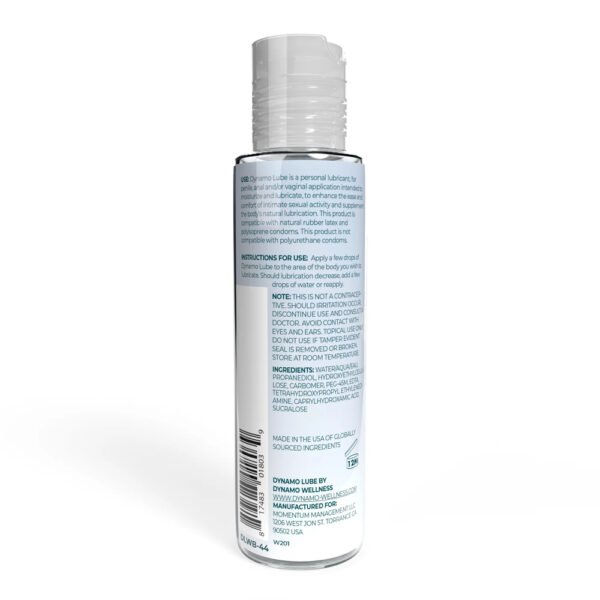
Store water-based lubricants at room temperature, away from direct sunlight and heat, and keep the cap closed between uses to slow evaporation. Check the expiration date before use, since the preservative system degrades over time. Discontinue use and consult a physician if any irritation, burning, or unusual reaction occurs. Keep all lubricants out of reach of children. Flavored formulas are designed for external and oral use only; avoid contact with the eyes regardless of formula type.
Certain ingredients in water-based lubricants are worth checking before you buy, particularly if you have sensitive skin or are mindful of vaginal health. Glycerin, a common humectant, can feed yeast in some bodies, which is why glycerin-free formulas are often the cleaner choice for anyone prone to yeast infections. Parabens are preservatives that some people prefer to avoid on principle; paraben-free options are widely available and equally effective. High-osmolality additives, including some sweeteners and certain thickeners, can draw moisture from delicate tissue, so formulas with a body-safe osmolality range are preferable for regular internal use. Artificial fragrance and flavoring have no functional role in a standard lubricant and are among the most common sources of contact irritation. Petroleum derivatives have no place in a water-based formula and are more relevant to oil-based products, but they occasionally appear in hybrid or novelty formulas, so the ingredient list is always worth a quick scan.
Water-based and silicone lubricants are the two most widely used lube types, and the practical differences between them come down to four things: longevity, toy compatibility, cleanup, and feel. Water-based formulas rinse off easily, work with every toy material including silicone, and suit everyday use, though they may need reapplication during longer sessions. Silicone-based lubes last significantly longer without reapplication and hold up well in water, making them a strong choice for extended sessions or shower use. The key trade-off is toy compatibility: silicone lube can degrade silicone toy surfaces over time, so it should not be used with silicone toys. Cleanup is also simpler with water-based formulas, since silicone leaves a residue that requires soap to remove. For most people starting out, a water-based formula is the more versatile and lower-risk default. Silicone is worth considering when longevity is the priority and you are not using silicone toys. You can explore the full silicone-based lubes range if you want to compare options directly.
Water-based lubricants dry down faster than silicone, but a few practical habits extend the glide without interrupting the moment. The simplest approach is reactivation: a few drops of water or saliva refresh the formula without requiring a full reapplication, since the water-based carrier just needs a little moisture to become slippery again. Choosing a higher-viscosity gel formula from the start makes a real difference for longer sessions or anal play, where a thicker consistency stays in place and holds up better than a thin liquid.
Applying a slightly more generous amount at the beginning, rather than a minimal layer, also reduces how often you need to top up. Some people apply a small amount of a compatible water-based moisturizer to the skin beforehand, which adds a base of hydration that helps the lubricant perform longer. Keeping the bottle within reach so reapplication feels like a natural pause rather than an interruption is, practically speaking, the most underrated habit of all.
Water-based lubricants are not the best choice for use in the shower, bath, or pool. Because they are water-soluble, they rinse away quickly when submerged or exposed to running water, which means the glide disappears almost immediately. For water-based play, you would need to reapply very frequently, and even then the formula will not hold the way a silicone-based lubricant would in a wet environment.
Most standard water-based lubricants are not formulated with sperm motility in mind, and some ingredients, including certain preservatives and high-osmolality additives, may affect sperm in laboratory conditions. If you are actively trying to conceive, look for a formula that is specifically labeled fertility-friendly or sperm-motility tested, since those are formulated to a different standard. During pregnancy, a fragrance-free, glycerin-free, pH-balanced formula is generally the gentler choice, though your care provider is the right person to ask about your specific situation.
Water-based lubricants are among the easiest to launder because they are water-soluble and do not leave the oily residue that oil-based formulas can. Most wash out completely with a normal cycle. Flavored or colored formulas may leave a faint mark if they dry before washing, so rinsing fabric soon after use is a good habit with those varieties.
Water-based lubricants are liquids, so TSA’s standard 3-1-1 rule applies: containers must be 3.4 fl oz (100 mL) or under to travel in a carry-on bag. Many formulas come in 2 fl oz travel sizes that fit easily within that limit. If you are traveling with a larger bottle, it will need to go in checked luggage. The product itself raises no security concerns; it is the volume that matters.
Every Claim Night order ships in plain, unmarked packaging with no indication of the contents on the outside. Your billing statement will show a neutral charge from XR. LLC, not the store name or anything product-specific. We do not sell or share your personal data.
Vaginal pH sits in a naturally acidic range, and a lubricant with a significantly different pH can temporarily shift that balance. Choosing a formula that is pH-balanced to the vaginal range is the most straightforward way to minimize that risk. Ingredients like glycerin and certain sweeteners have also been associated with microbiome disruption in some bodies, which is one practical reason glycerin-free formulas are a popular choice for regular internal use. No lubricant can guarantee microbiome protection, but ingredient awareness goes a long way.
Flavored water-based lubricants are formulated specifically for oral use and generally have a noticeable, candy-like taste from added flavoring. The intensity varies by brand and flavor, but most are sweet and fairly distinct from the neutral, nearly tasteless quality of an unflavored formula. If you want something that works equally well for oral and non-oral use without a strong taste, an unflavored formula is the more versatile option.
Yes, completely normal. Water-based formulas absorb into the skin and evaporate more readily than silicone-based ones, so reapplication during a longer session is expected rather than a sign that something is wrong. Keeping the bottle within reach is a practical habit rather than an inconvenience. If you find yourself reapplying very frequently, a thicker gel formula or a hybrid lube may hold up better for your particular use.
Helpful guides, product tips, and simple explanations to help you find what feels right.
No account yet?
Create an Account