



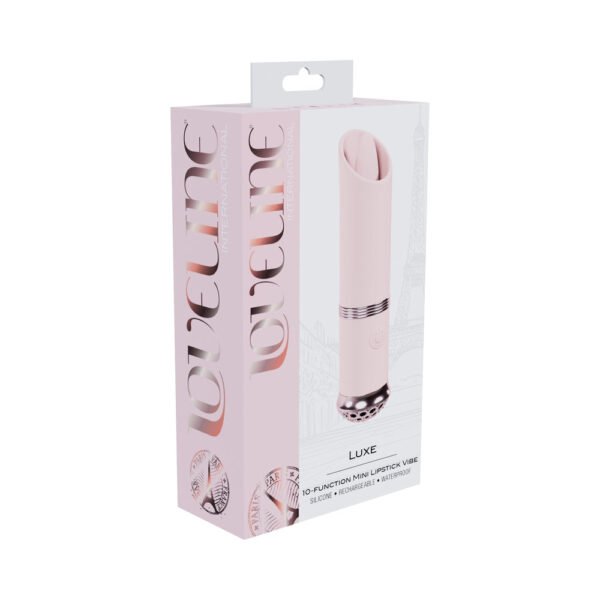
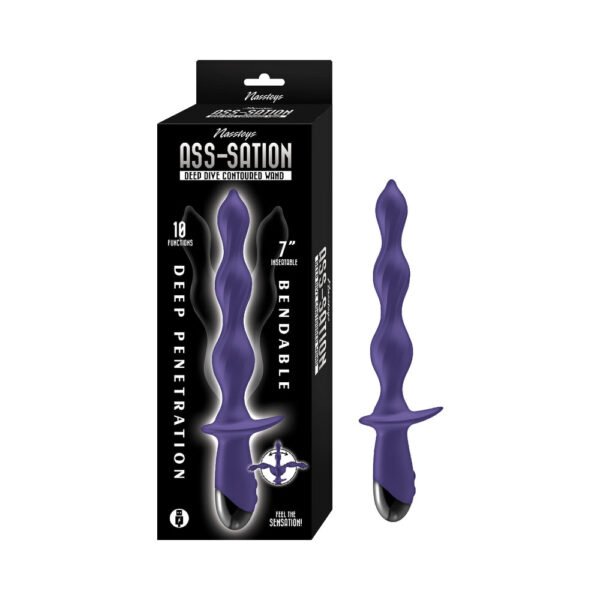




ISO 3533 (formally ISO 3533:2021, Sex toys: Design and safety requirements for products in direct contact with genitalia, the anus, or both) is the first international safety standard created specifically for manufactured sex toys. Published in 2021 by the International Organization for Standardization, it covers products intended for direct genital and/or anal contact and addresses four broad areas: material biocompatibility, mechanical safety, electrical and thermal safety, and labeling requirements.
Most sex toy packaging says nothing useful. ISO 3533 is the rare exception: an international document that actually defines what a sex toy is supposed to do and not do to your body. Here is what it means in practice, and why seeing it referenced on a product box matters more than most marketing copy.
What ISO 3533 actually tests and requires
The standard works by setting categories of requirements rather than a single fixed chemical threshold.
Material biocompatibility is the first area. Products must be made from materials that will not cause adverse reactions on contact with skin and mucous membrane. Rather than banning a specific list of substances at fixed concentrations, ISO 3533 requires each manufacturer to build and maintain a Restricted Substance List (RSL) and to demonstrate compliance with the chemical safety laws that apply in the countries where they sell. In the EU that means REACH; in the US it means CPSIA and relevant CPSC rules.
Mechanical safety is the second area. The standard specifies structural requirements: no sharp edges or projections that could cause injury, adequate strength so the product does not break during foreseeable use, and, for toys with insertable components, requirements related to retrieval and integrity.
Electrical and thermal safety covers powered products. Vibrators and similar devices must meet limits on operating temperature (surfaces in direct body contact cannot exceed certain thresholds) and must comply with relevant electrical safety standards to prevent shock or short-circuit risk.
Labeling is the fourth pillar. ISO 3533 defines minimum label information: materials used, compatible lubricant types, cleaning instructions, manufacturer or importer identity, and any warnings relevant to safe use.
One thing the standard does not do: it does not independently certify products. ISO 3533 is voluntary in almost every jurisdiction, and there is no central body that audits a toy before it reaches store shelves. Conformity is self-declared by the manufacturer unless a retailer, importer, or national regulator independently tests the product.
Why “voluntary” does not mean meaningless
Because ISO 3533 is voluntary and sets no fixed numeric chemical limits, some critics treat it as toothless. That criticism has merit at the edges, but misses the structural value.
Before 2021 there was no international standard for this product category at all. Sex toys were typically sold as “novelty items,” a legal designation that in many jurisdictions allowed them to sidestep consumer product safety frameworks almost entirely. ISO 3533 created a common technical language: a shared definition of what counts as safe material, safe design, and adequate labeling. Even where compliance is self-declared, that framework creates accountability. A brand that claims ISO 3533 conformity and is later found to sell phthalate-heavy jelly products has a documentable gap between claim and reality.
For shoppers, the practical value is this: a brand that references ISO 3533 in product documentation has at minimum engaged with the standard. A brand that has never heard of it almost certainly has not thought carefully about material biocompatibility or structural testing. It is a meaningful signal, not a guarantee.
How ISO 3533 connects to material choice at the shelf
ISO 3533’s biocompatibility requirements steer compliant manufacturers toward non-porous, chemically stable materials: medical-grade (platinum-cured) silicone, borosilicate glass, surgical stainless steel, and hard ABS plastic. These materials have sealed, non-porous surfaces that resist bacterial retention and show negligible chemical leaching in research. Porous materials (jelly rubber, PVC, most TPE/TPR blends) are harder to reconcile with the standard’s biocompatibility intent because they can leach plasticizers including phthalates and cannot be fully sterilized.
This is also why ISO 3533 connects to lubricant labeling: the standard requires manufacturers to specify compatible lubricant types. Silicone-based lubricants can degrade softer silicone toy surfaces; water-based lubricants are broadly compatible. That compatibility information being present on the packaging is a direct ISO 3533 labeling requirement.
ISO 3533 versus other standards you may see referenced
| Standard | Scope | Who sets it |
|---|---|---|
| ISO 3533:2021 | Sex toys in genital/anal contact | International Organization for Standardization |
| ISO 10993 | Biocompatibility of medical devices | ISO (medical context) |
| CE marking (EU) | General product safety for EU market | European Commission |
| REACH | Chemical safety in EU products | European Chemicals Agency |
| CPSIA | Chemical safety for US consumer products | US Congress / CPSC |
ISO 10993 is sometimes cited by sex toy brands as a biocompatibility reference. It was designed for implantable medical devices and is a stricter framework than ISO 3533, so a brand citing ISO 10993 testing is making a stronger (and more expensive to substantiate) claim. CE marking and REACH are regulatory requirements in the EU, not optional standards; meeting them is a legal floor, not a distinction.