


Article
Beginner Butt Plug Guide: What a Butt Plug Is, How It Works, and How to Use One Safely05/20/2026

Deals
Bestsellers

+39
Most-Loved Picks
Customer favorites for comfort, care, and everyday pleasure
Shop BestsellersSale · up to 40% off

+891
Soft Savings
Limited-time offers on body-safe essentials and feel-good favorites
View SaleSeasonal edit


+267
Seasonal Comfort Edit
Curated picks for holidays, date nights, gifting, and cozy nights in
Explore the EditFeatured
 Discreet Packaging
  Secure Checkout
  Body-Safe Materials
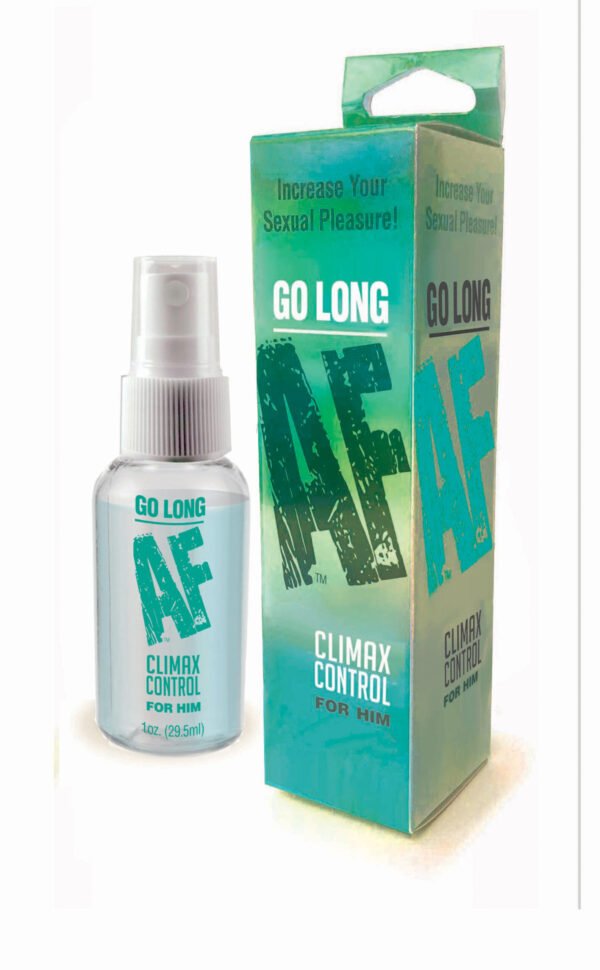
 Delay sprays and creams are topical formulas applied directly to the penis before intimacy to reduce sensitivity and extend duration. The format difference is real: sprays absorb faster, creams tend to stay put longer and suit those who prefer a tactile application.
The two things worth comparing before you buy are active ingredient and transfer risk. Lidocaine generally absorbs more completely into the skin; benzocaine sits closer to the surface. If a partner is involved, how much of the formula transfers before full absorption matters as much as how well it works for you.
Delay sprays and creams come in several formulations, and the differences between them are practical, not just cosmetic. Which one fits depends on your active ingredient preference, how you like to apply it, and whether a partner will be involved.
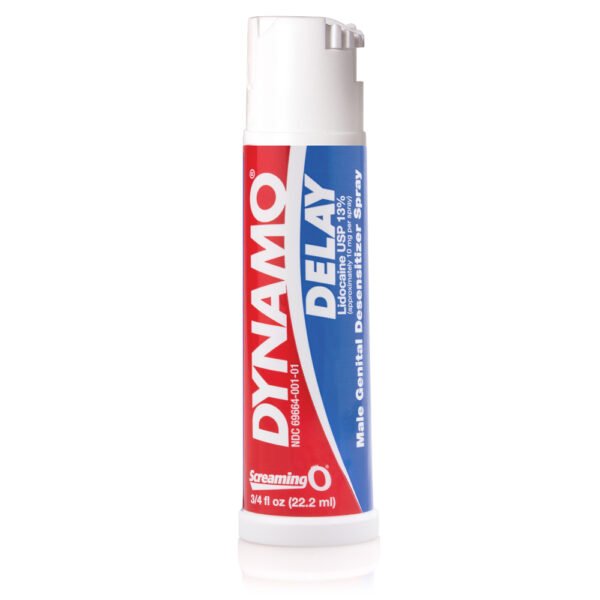
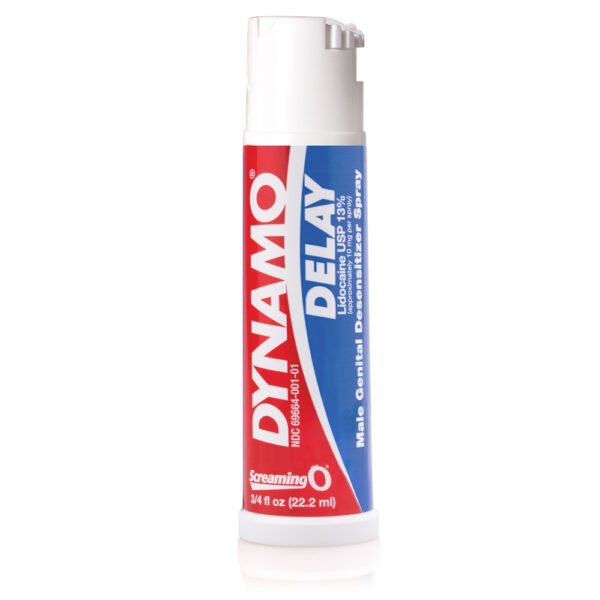
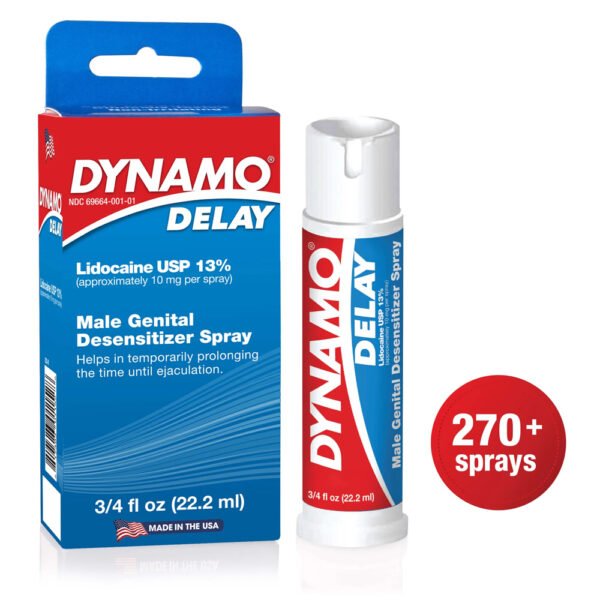
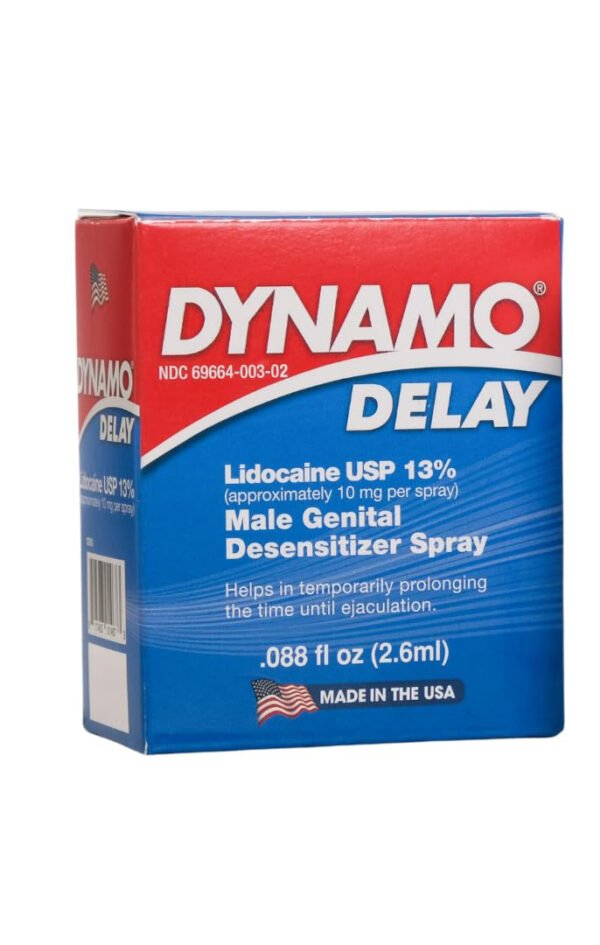
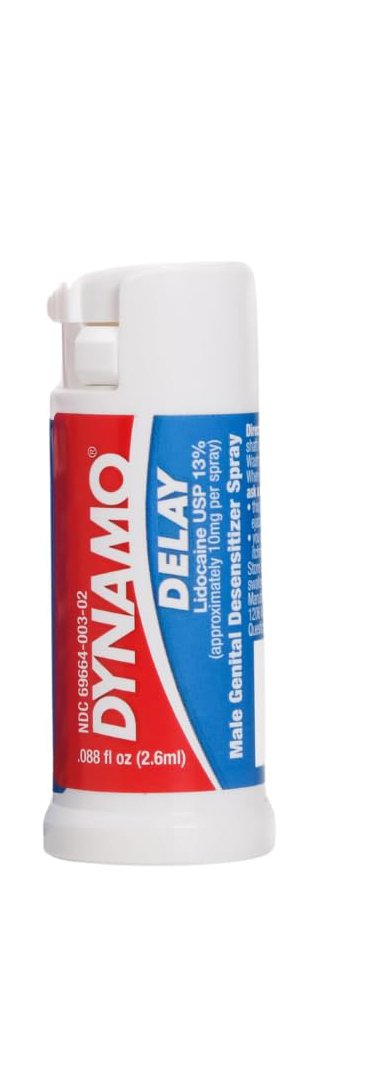
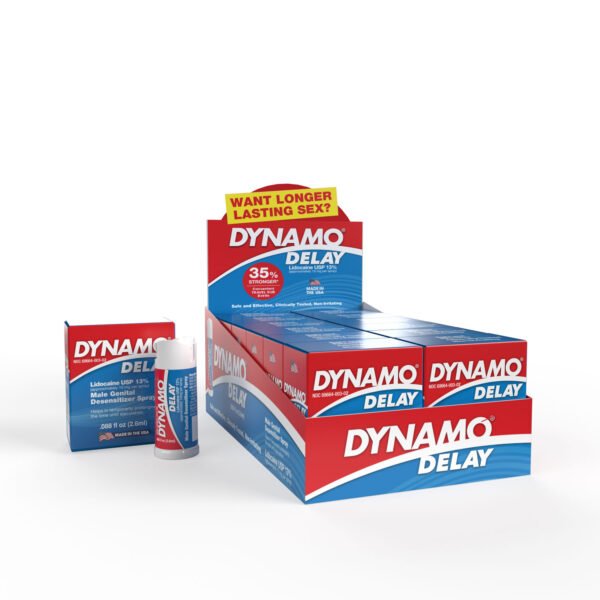
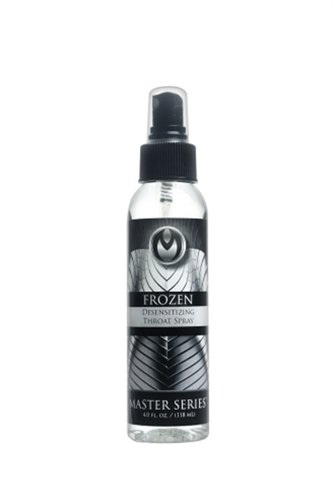
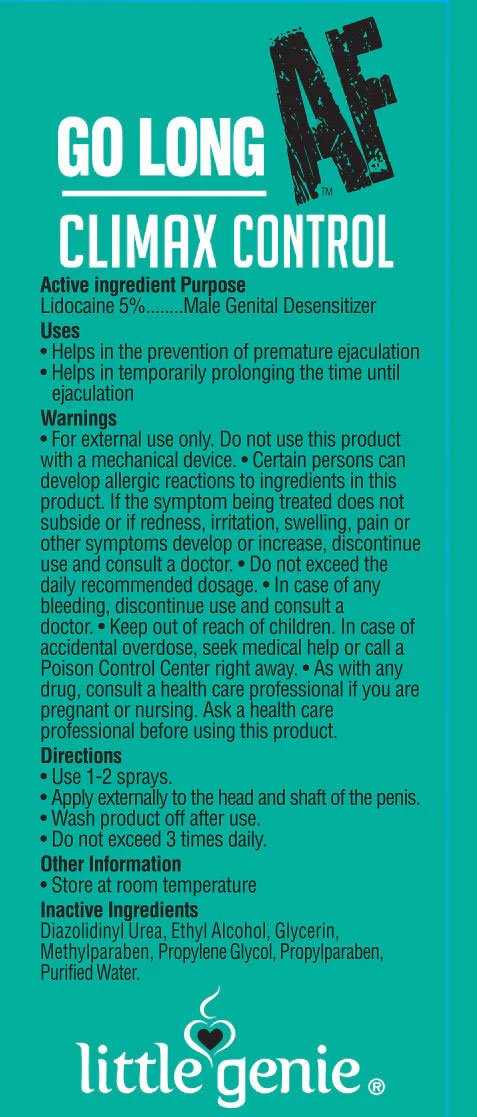
A lidocaine delay spray is a topical desensitizing spray that uses lidocaine as its active ingredient, a local anesthetic that absorbs relatively deeply into the skin. Because it penetrates further, transfer to a partner after the absorption window tends to be lower than with surface-sitting alternatives. This makes it a common first choice for partnered use, and it generally takes effect within 10 minutes.
Benzocaine delay formulas work by sitting closer to the skin’s surface, where they reduce sensitivity at the point of contact. They are widely available, tend to act quickly, and come in both spray and cream formats. If a partner is involved, allowing full absorption time before contact is especially important with benzocaine, since its surface-level action means more of the active ingredient remains available for transfer.
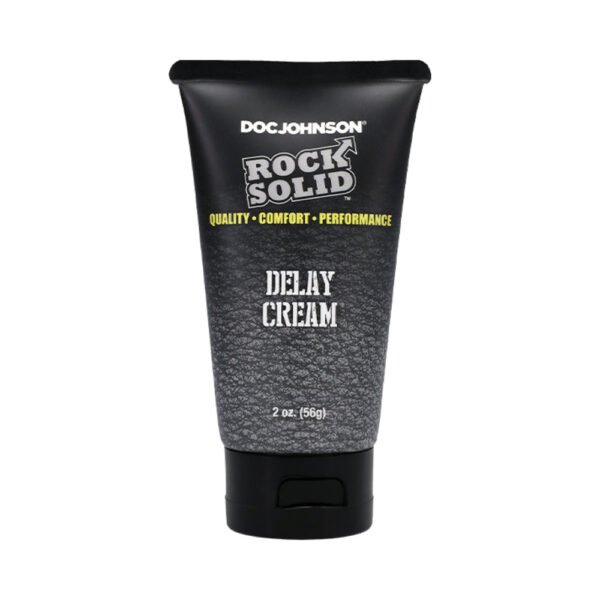
A delay cream is a thicker, non-spray topical that is massaged directly onto the penis before intimacy. The texture means it stays where you put it, which some people find easier to control than a spray, particularly for a first-time application. Creams often use benzocaine as the active ingredient, though natural-formula versions also exist.
Natural delay sprays and gels replace synthetic anesthetics with botanical desensitizers, typically clove oil or other plant-derived extracts that produce a mild numbing or cooling effect. The reduction in sensitivity is generally gentler, which suits those who want a lighter touch or prefer to avoid lidocaine and benzocaine entirely. These formulas are also a reasonable option for anyone with known sensitivity to topical anesthetics.
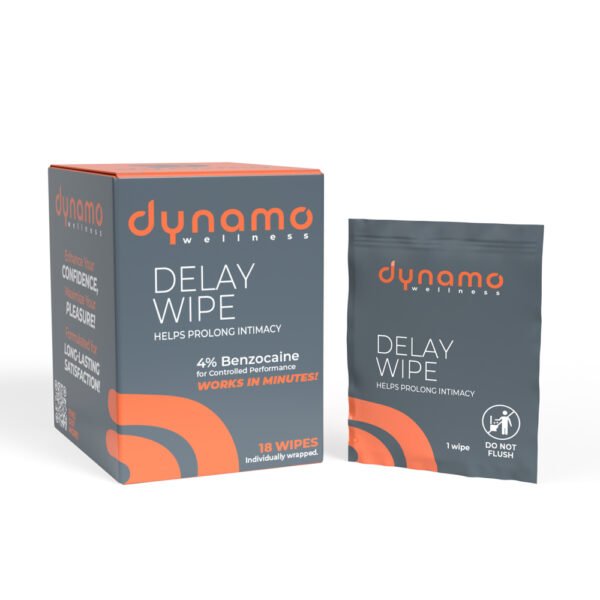
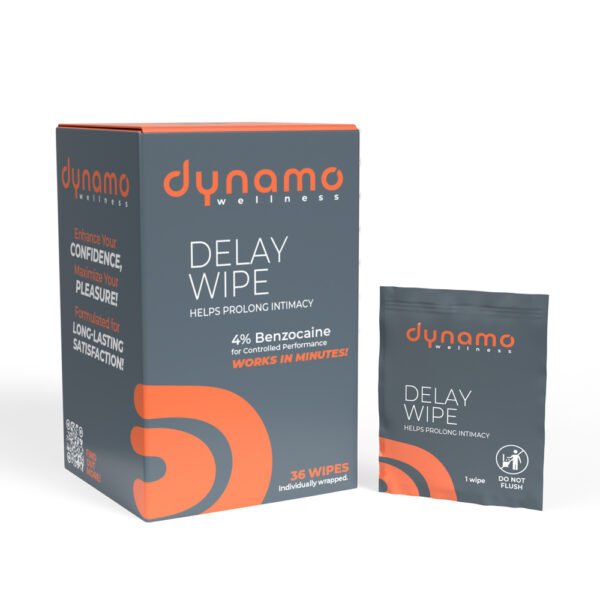
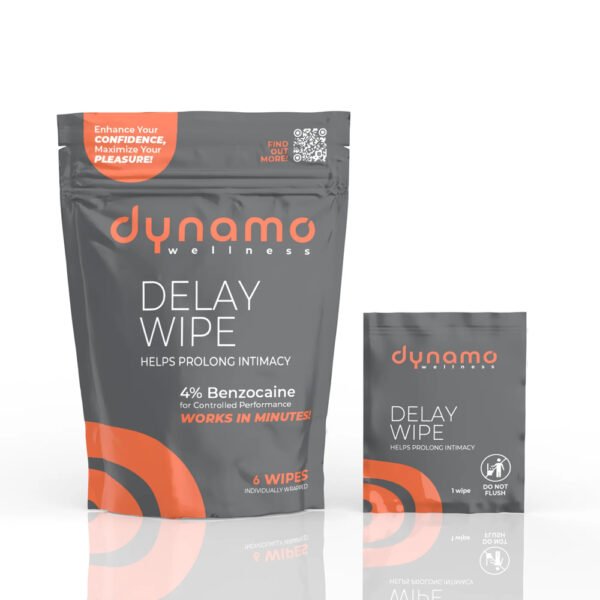
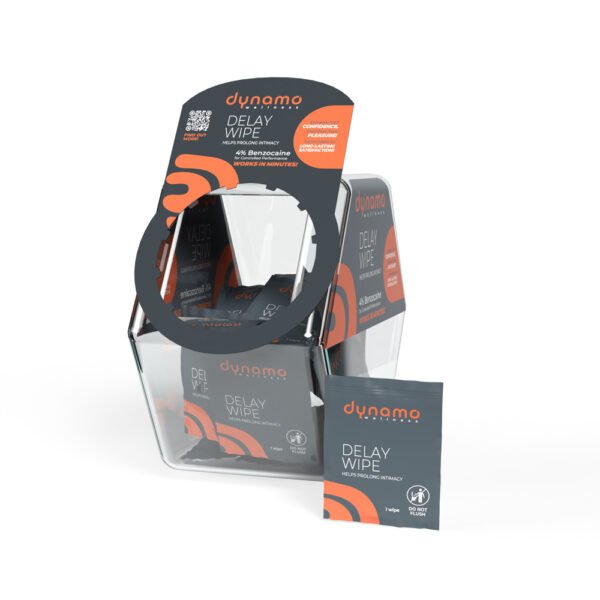
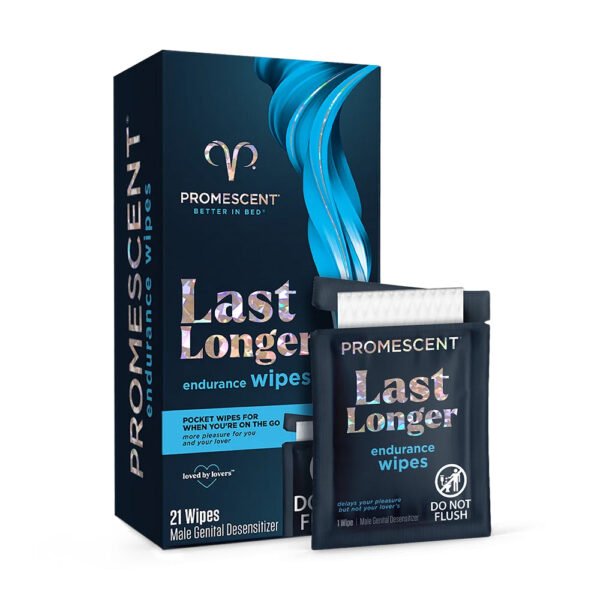
A delay wipe is a pre-moistened towelette, individually wrapped, that delivers a measured amount of desensitizing agent, usually benzocaine, without a bottle or pump. The format is discreet and travel-friendly, and each wipe gives a consistent dose without the guesswork of counting sprays. The trade-off is that wipes are typically less concentrated than spray formulations, so the effect may be subtler.
A desensitizing gel for delay purposes sits between a cream and a spray in texture: thicker than a spray but more fluid than a traditional cream, and often formulated with skin-conditioning ingredients alongside the active desensitizer. Some gels use menthyl lactate rather than a classic anesthetic, producing a cooling numbing sensation instead of a purely chemical one. They tend to require a slightly longer absorption window, often around 15 minutes, before intimacy begins.
The best delay spray for you is the one that fits your sensitivity level, your application preference, and your specific situation, whether you are using it solo or with a partner. A few practical criteria narrow the field quickly.
Active ingredient and transfer risk are the two decisions that shape everything else. Once those are clear, format and concentration fall into place naturally.
The table below compares a representative selection of delay sprays and creams across the key specs that affect the buying decision.
| Product | Active Ingredient | Format | Volume | Notable Features |
|---|---|---|---|---|
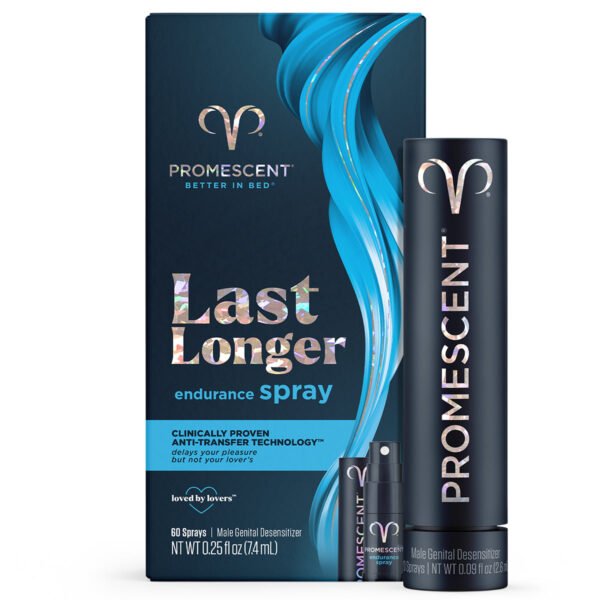
| Promescent Climax Control Desensitizer Spray (60 Sprays) | Lidocaine | Spray | 0.25 fl oz | Patented absorption technology; ready in under 10 minutes; minimizes partner transfer |
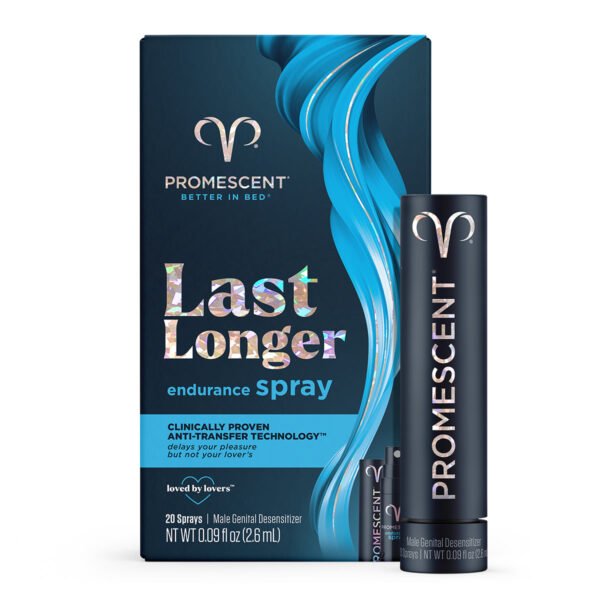
| Promescent Climax Control Desensitizer Spray (20 Sprays) | Lidocaine | Spray | 0.09 fl oz | Travel-size; same patented formula as the larger bottle |
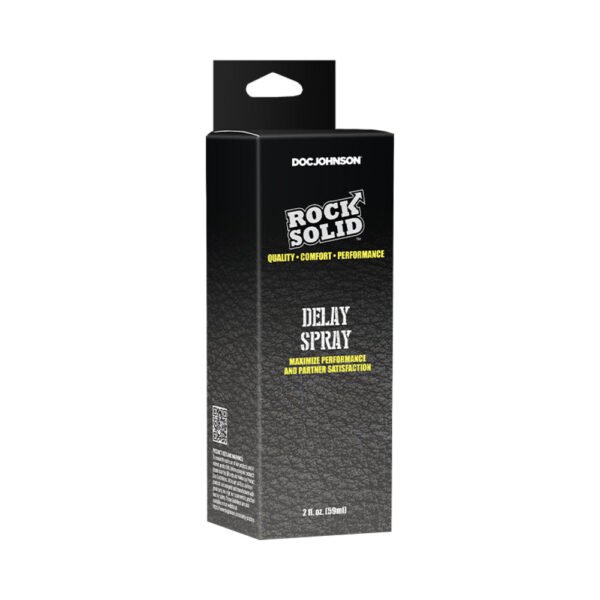
| Rock Solid Delay Spray | Lidocaine HCl 10 mg per spray | Spray | 2 fl oz | Alcohol-free; paraben-free; glycerin-free; odorless; includes cannabis sativa seed extract |
| Rock Solid Delay Cream | Benzocaine 7.5% | Cream | 2 fl oz | Non-sticky; alcohol-free; glycerin-free; odorless; includes Panax ginseng root extract |
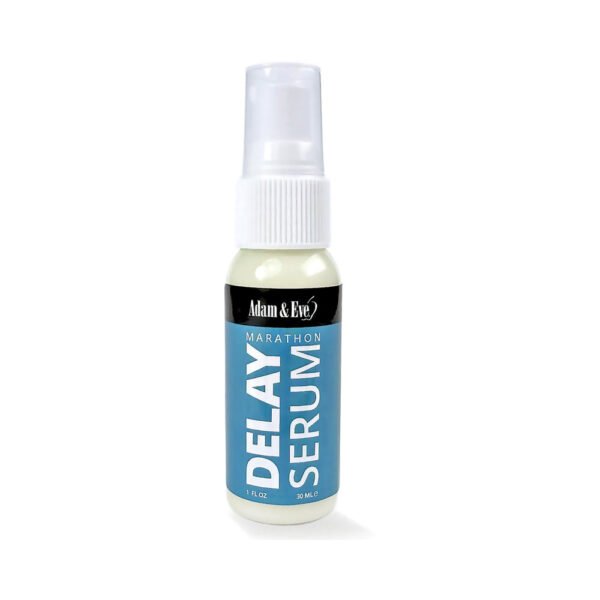
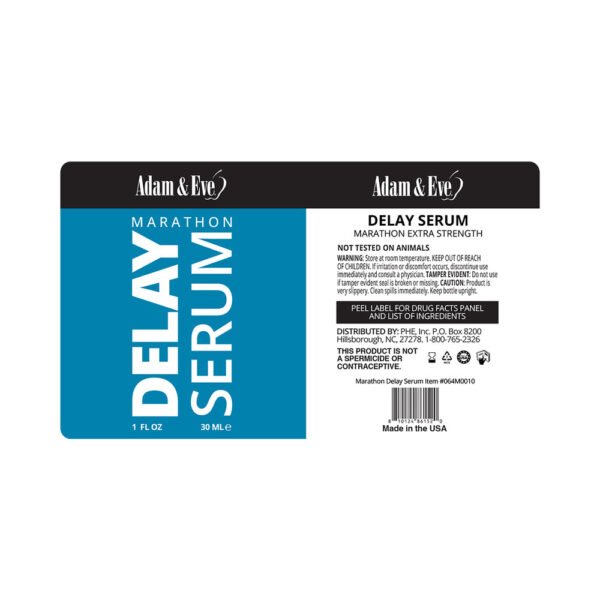
| Adam & Eve Marathon Delay Spray | Benzocaine 7.5% | Spray | 1 fl oz | Takes effect in 2 to 3 minutes; condom and toy compatible; made in the USA |
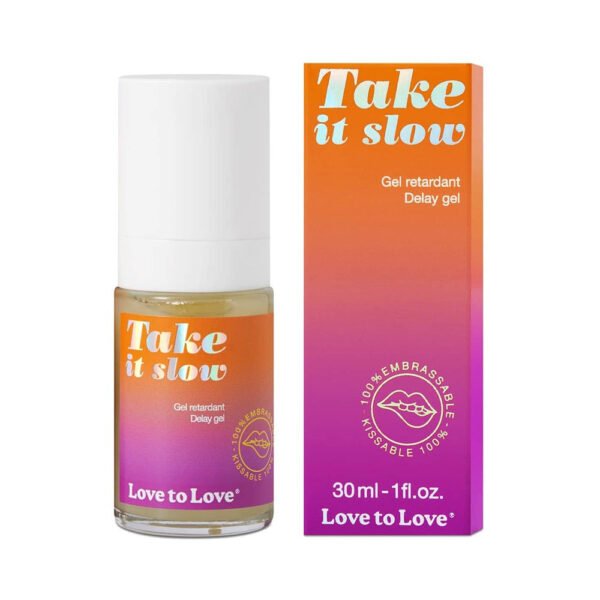
| Love to Love Take It Slow Delay Gel | Natural botanicals (bitter orange oil, cedarwood oil) | Gel | 1 fl oz | Natural-origin formula; pH-balanced; dermatologically tested; kissable; reusable pump bottle; made in France |
| Promescent Delay Wipes (15-Pack) | Benzocaine 7% | Wipe | 15 individually wrapped wipes | Portable; discreet; no bottle needed; less concentrated than spray format |
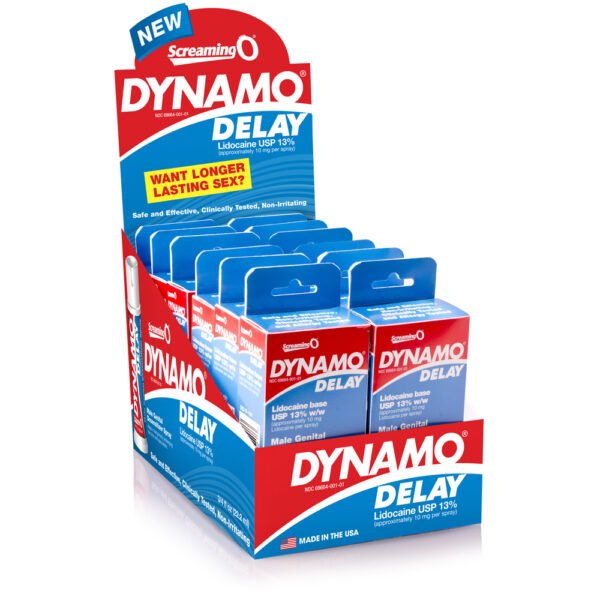
| Dynamo Wellness Maximum Strength Delay Wipe (36-Pack) | Benzocaine 7.5% | Wipe | 36 individually wrapped wipes | Maximum strength; large pack size; external use only |
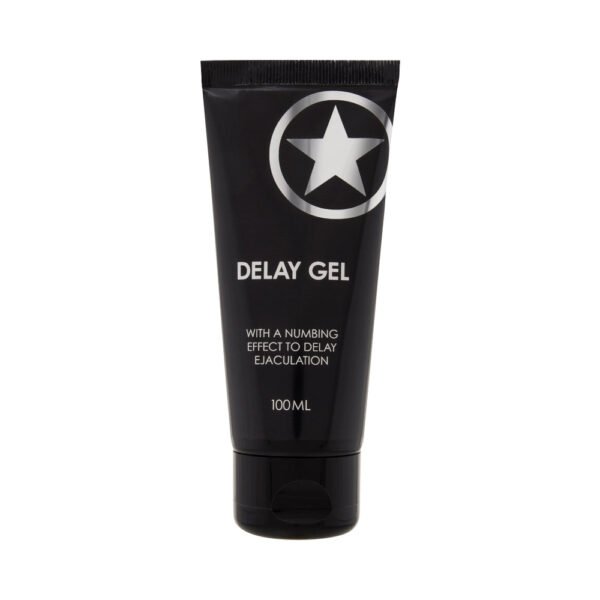
| Shots Delay Gel | Menthyl lactate | Gel | 3 fl oz | Also contains jojoba seed oil and olive fruit oil; requires 15-minute absorption time; rinses away with water |
Delay sprays and creams work best when the formula matches your situation. These collections group the options by the decisions that actually matter: active ingredient, format, and how you plan to use them.
Delay sprays and creams are applied to the external penile area before intimacy, with the amount adjusted based on personal sensitivity. Starting with a smaller amount and increasing gradually over separate sessions gives you a clearer sense of how your body responds. Most formulas need several minutes to absorb before any contact, and following the specific wait time on the product label is the most reliable guide. Some formats are compatible with condoms and toys; check the product details before combining them.
Store delay sprays and creams at room temperature, away from direct sunlight and heat, and keep lids and caps closed between uses to preserve the formula. Avoid contact with eyes, mucous membranes, or broken skin, and discontinue use immediately if irritation develops. Individually wrapped wipes have a printed expiry date worth checking before use. These products are for external use only and should always be kept out of reach of children.
Lidocaine and benzocaine are both topical anesthetics, but they behave differently on skin, and that difference shapes the experience. Lidocaine absorbs more deeply into the tissue, which tends to produce a steadier, more even reduction in sensitivity. Benzocaine stays closer to the surface, where it acts quickly but may feel more localized. For most people, onset speed is similar enough that it is not the deciding factor. The more meaningful difference is partner-transfer risk: because lidocaine penetrates further before intimacy begins, less of it remains on the surface where skin-to-skin contact happens. Benzocaine suits solo use or situations where a full absorption window is easy to build in. Lidocaine is generally the more practical choice for partnered use, particularly for anyone who wants to minimize the chance of their partner experiencing any numbness.
The absorption window is the part of the delay spray routine that most people underestimate. Applying a delay spray or cream and moving straight to intimacy skips the step that makes the formula work as intended: the active ingredient needs time to absorb into the skin before it can reduce sensitivity evenly, and before partner-transfer risk drops to a reasonable level. Most formulas require somewhere between 5 and 15 minutes, though the specific window varies by product and concentration. Following the wait time on the product label is the most reliable guide, since it reflects the actual formula rather than a general estimate. Starting with a conservative amount and building from there across separate sessions also helps you find the level that reduces sensitivity without dulling sensation more than you want.
Partner safety is a reasonable concern with any topical formula, and the short answer is that full absorption is the main factor that determines how much, if anything, transfers. When a delay spray or cream has been given its full absorption window before intimacy begins, the active ingredient has moved into the skin rather than sitting on the surface, which significantly reduces the amount available for transfer. Low-transfer and no-transfer formulations are designed with this in mind, using absorption-focused delivery systems that pull the active ingredient in quickly. Using a condom after the absorption period adds a physical barrier that reduces transfer risk further. If a partner does notice any temporary numbness, it typically fades on its own. Anyone with a known sensitivity to topical anesthetics should check the ingredient list before use.
Many delay sprays and creams are formulated to be condom-compatible, but not all of them are, so checking the product details before combining the two is worth doing. Water-based and alcohol-based formulas are generally safe with latex condoms; oil-containing formulas can degrade latex and should be avoided with latex condoms specifically. If you plan to use a condom as part of your routine, look for a formula that explicitly states condom compatibility on the label.
Delay sprays and creams are designed to reduce sensitivity at the point of application, not eliminate it. Most people describe the effect as a quieting of sensation rather than a complete absence of feeling, which is why starting with a smaller amount and adjusting from there tends to give the most satisfying result. The goal is a calibrated reduction, not numbness, and most formulas are designed with that balance in mind.
Many delay sprays and creams are formulated to be odorless or very lightly scented, and some are explicitly labeled as such. A small number of formulas include added fragrance or botanical scent from natural ingredients like cedarwood or citrus oil. If oral contact is part of your plans, checking whether the formula is kissable or taste-neutral is a practical step, since some topical anesthetics can create a numbing sensation in a partner’s mouth on direct contact before full absorption.
Water-based and alcohol-based delay formulas typically rinse away cleanly and are unlikely to stain. Cream and gel formats can leave a light residue on skin or fabric if not fully absorbed, so allowing adequate absorption time before contact with bedding or clothing is a sensible habit. If residue is a concern, sprays tend to absorb more completely and leave less behind than thicker cream formats.
People with sensitive skin or a known allergy to a specific anesthetic should read the ingredient list carefully before use. Benzocaine, in particular, is associated with a higher rate of contact sensitivity than lidocaine in some individuals, so those with a history of reactions to topical anesthetics may want to consider a lidocaine-based or botanical formula instead. Patch testing on a small area of less sensitive skin before full application is a reasonable precaution for anyone who tends to react to topical products.
Most delay sprays and creams come in compact bottles that fit easily in a toiletry bag. Individually wrapped delay wipes are particularly travel-friendly since they are pre-dosed, take up almost no space, and avoid any concern about liquid limits at airport security. Spray bottles under 3.4 fl oz (100 mL) are generally within TSA carry-on liquid rules, though checking the volume of your specific bottle before you pack is always the safest move.
No prescription is required. Delay sprays and creams sold for intimate use in the US are available over the counter, including the lidocaine and benzocaine formulas commonly stocked by sexual wellness retailers. The active ingredient concentrations used in these products fall within the range approved for OTC topical use, so you can order them without a doctor’s visit or a pharmacy consultation.
Every Claim Night order ships in plain, unmarked packaging with no indication of the contents on the outside. Your billing statement will show a neutral charge from XR. LLC, not the store name or any product description. We also do not sell your data, so your purchase stays between you and us.

Helpful guides, product tips, and simple explanations to help you find what feels right.
No account yet?
Create an Account