


Article
Beginner Butt Plug Guide: What a Butt Plug Is, How It Works, and How to Use One Safely04/06/2026

Deals
Bestsellers
+38
Most-Loved Picks
Customer favorites for comfort, care, and everyday pleasure
Shop BestsellersSale · up to 40% off
+881
Soft Savings
Limited-time offers on body-safe essentials and feel-good favorites
View SaleSeasonal edit


+265
Seasonal Comfort Edit
Curated picks for holidays, date nights, gifting, and cozy nights in
Explore the EditFeatured
 Discreet Packaging
  Secure Checkout
  Body-Safe Materials
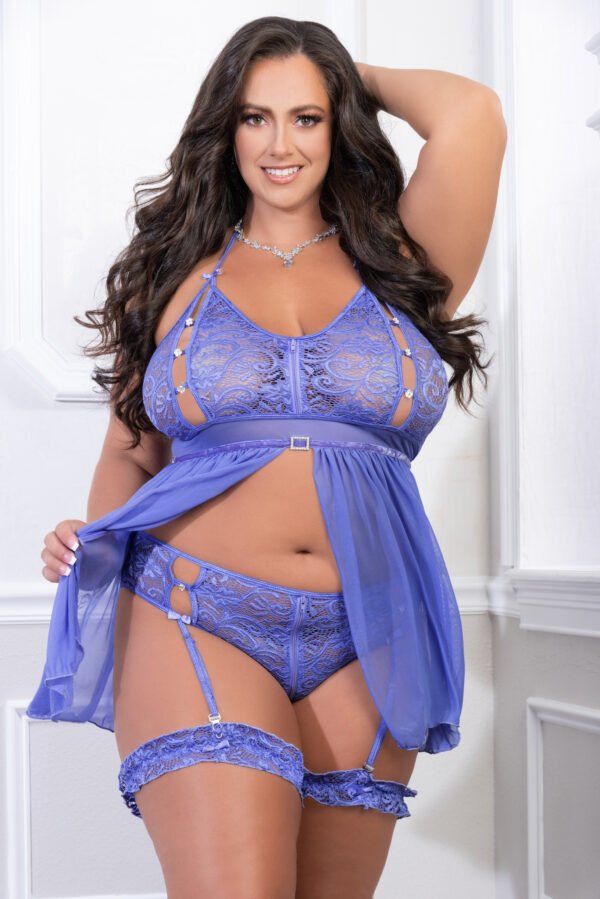
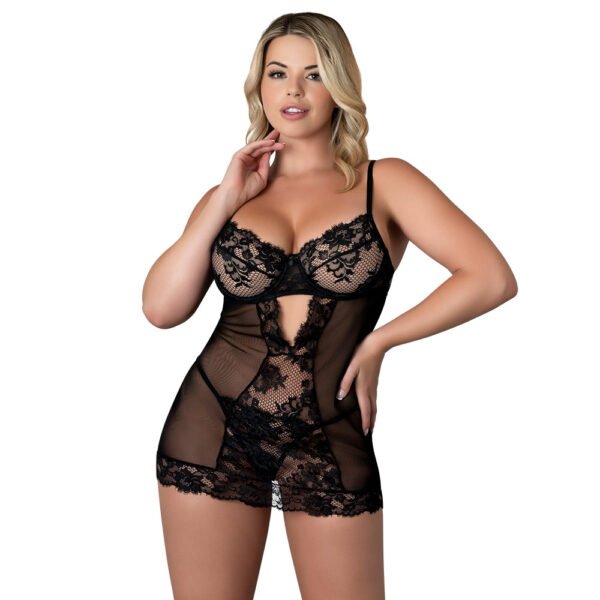
 Babydoll lingerie sizes by the bust and band, not by dress size, so the bra portion is the critical fit point. The cups should sit flush against the breast with no gaping or spillover, and the band should feel snug but not restrictive. Styles with underwire cups typically list specific cup letters alongside the band measurement; non-bra-sized styles use S through Queen and rely on stretch to accommodate a range of cup volumes, which is worth checking before you buy.
The skirt portion is intentionally loose and needs no fitting at the waist or hip. Sizing up gives a more relaxed drape and slightly more skirt fullness; sizing down pulls the fabric tighter across the bust. Claim Night carries styles from S through 4XL, with cup coverage noted in each product’s size chart so large-busted shoppers can check fit before committing.
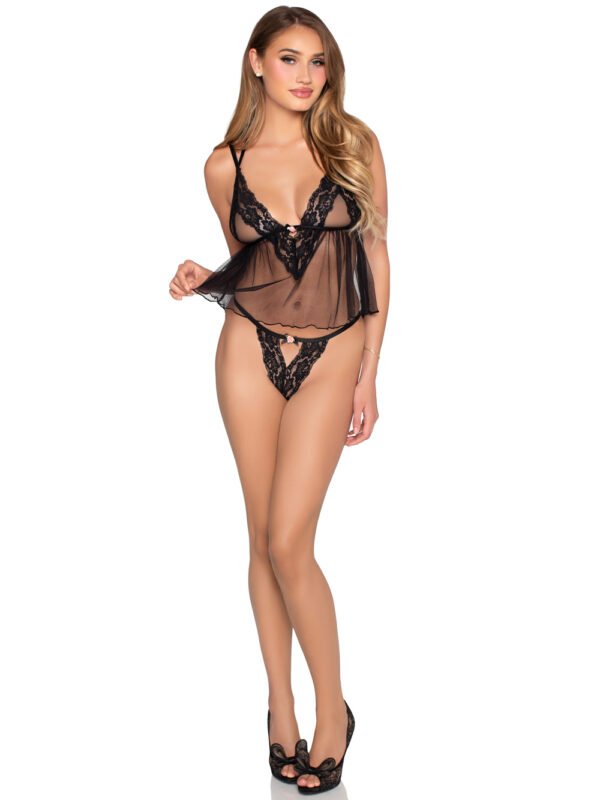
Babydoll lingerie varies more than the silhouette suggests, and the differences between two pieces at the same price point can be significant once you are wearing them.
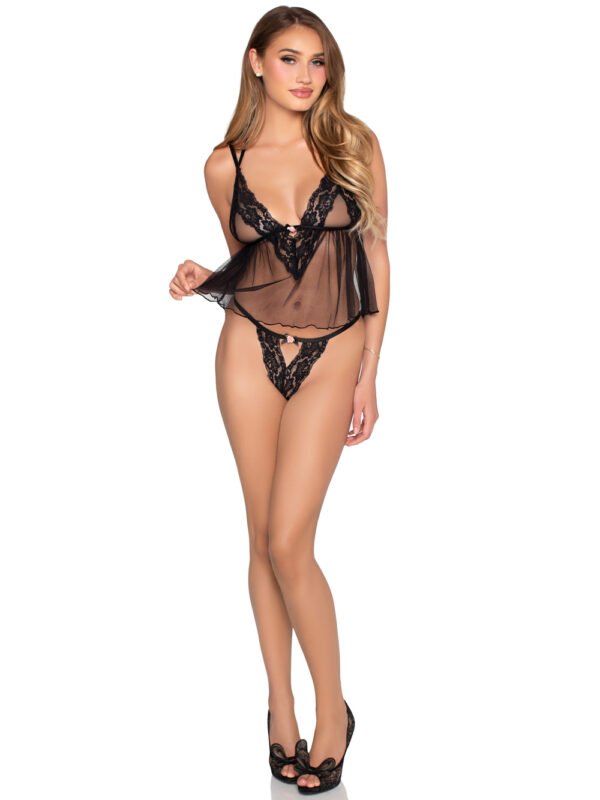
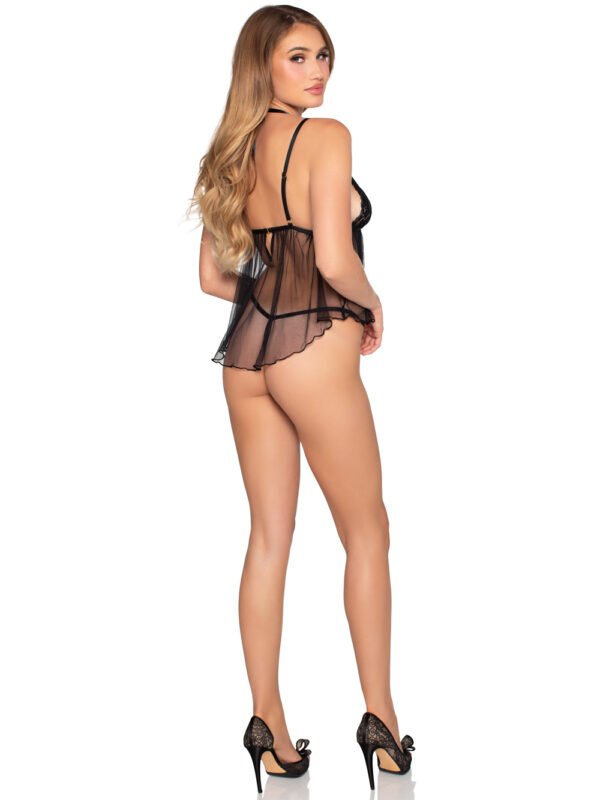
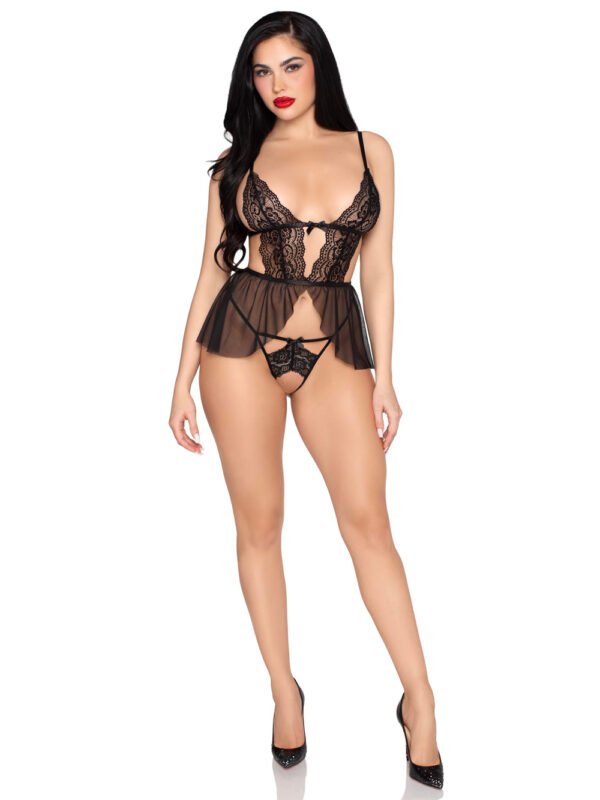
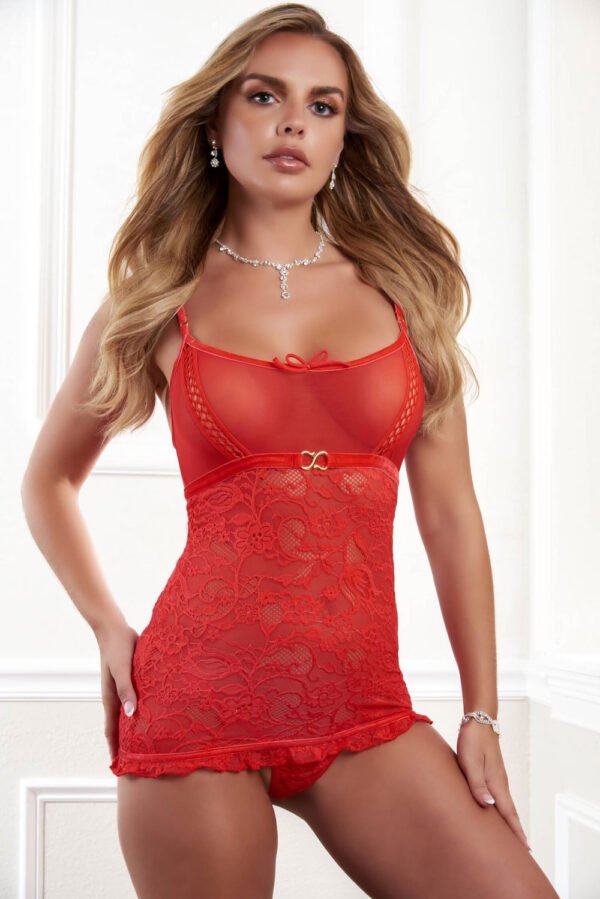
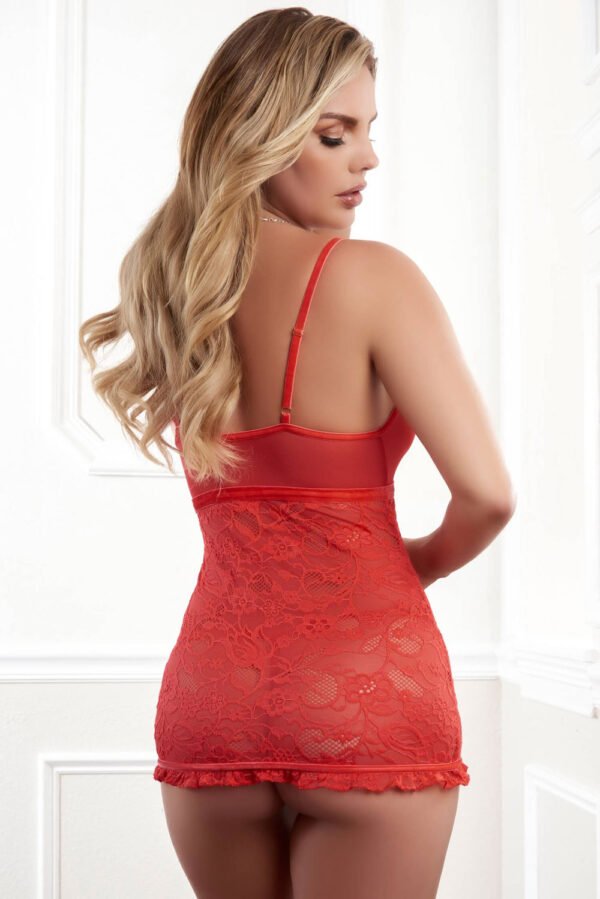
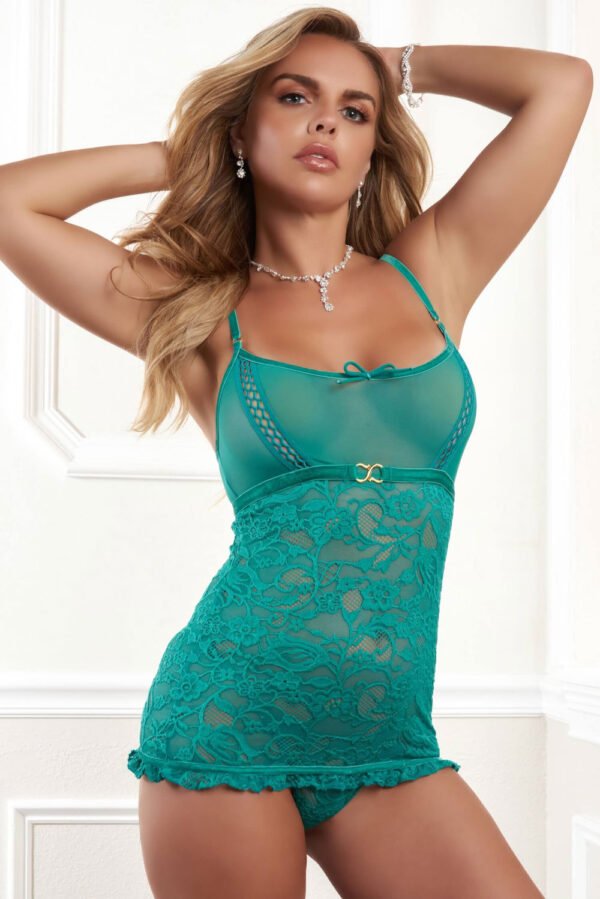
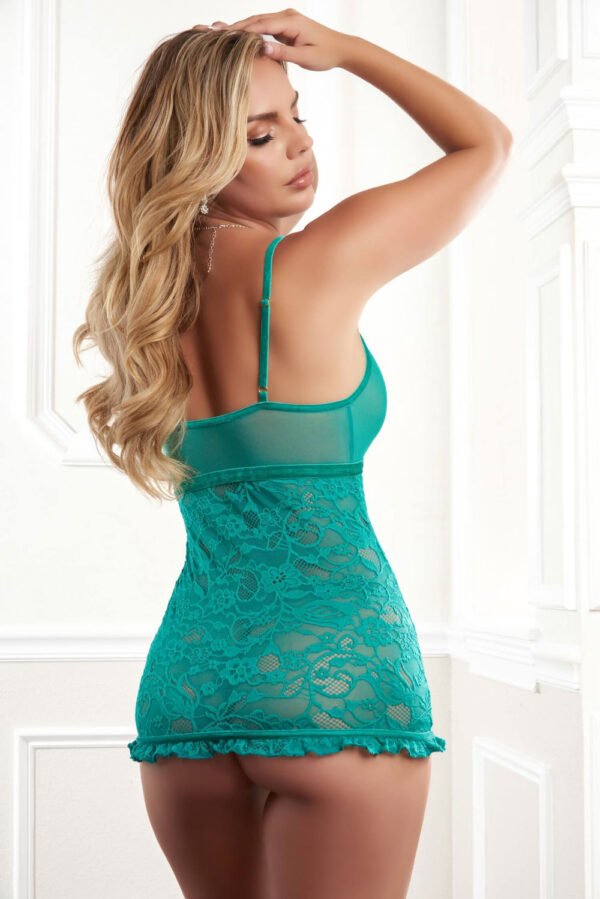
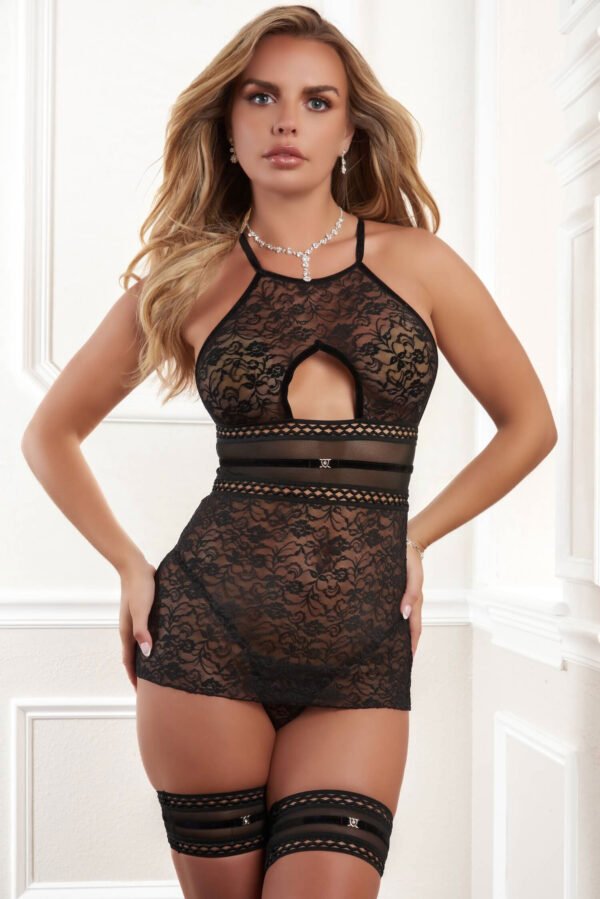
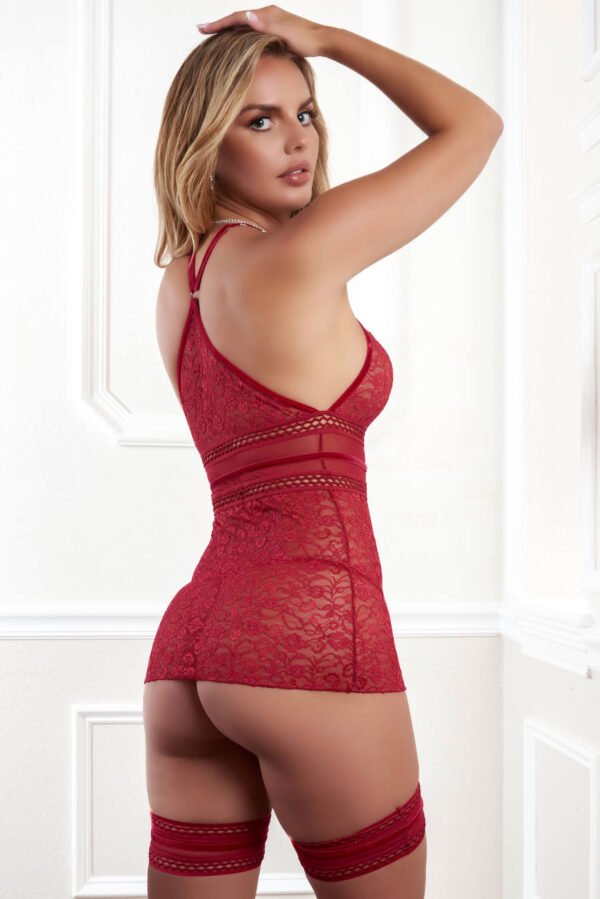
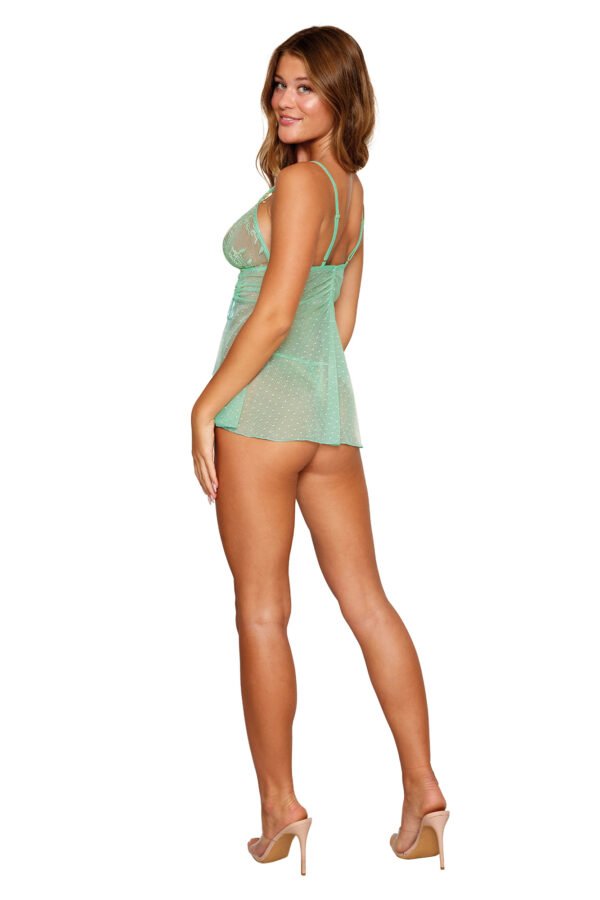
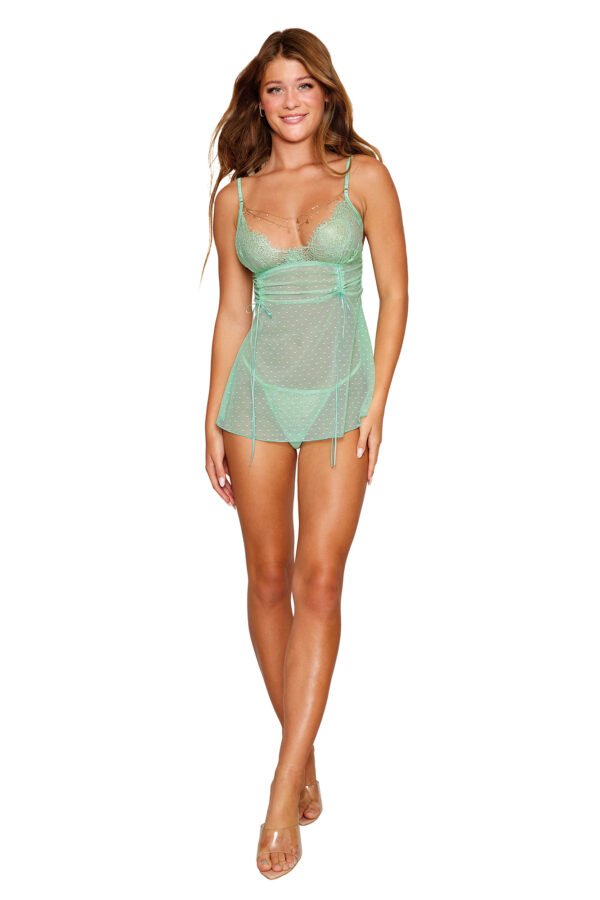
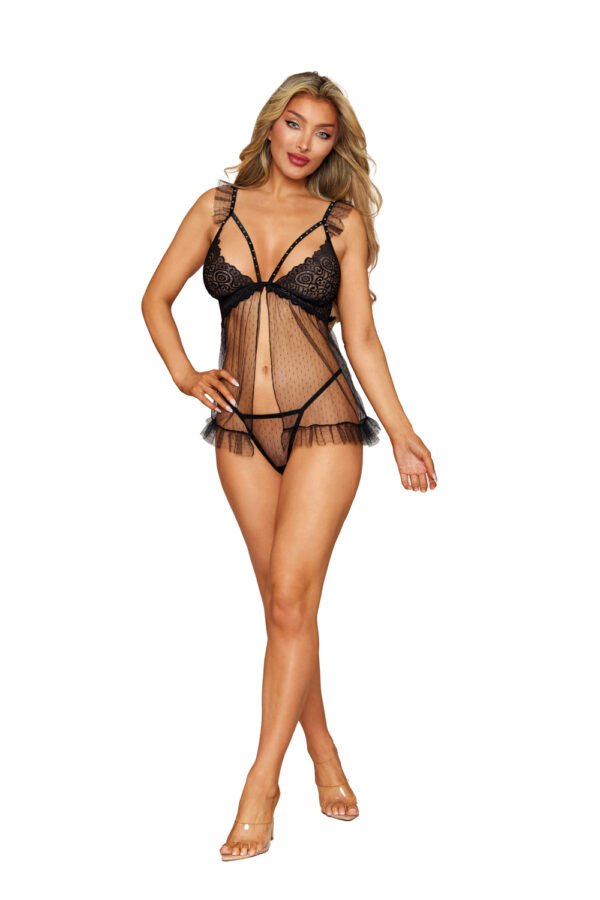
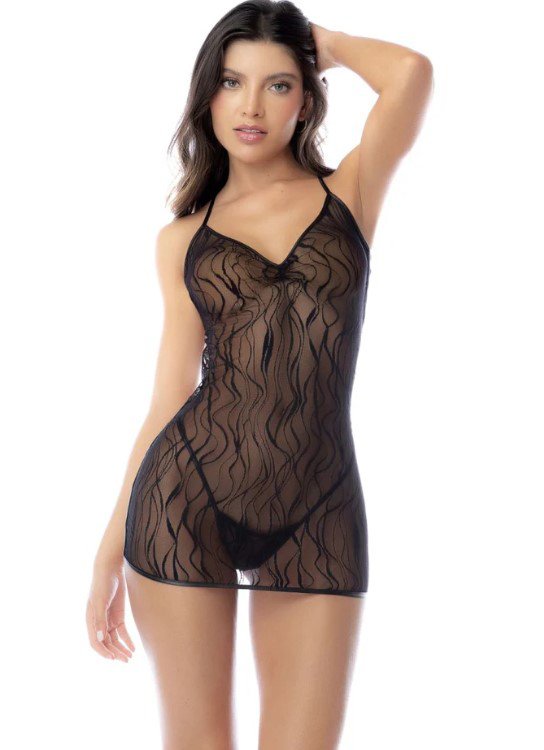
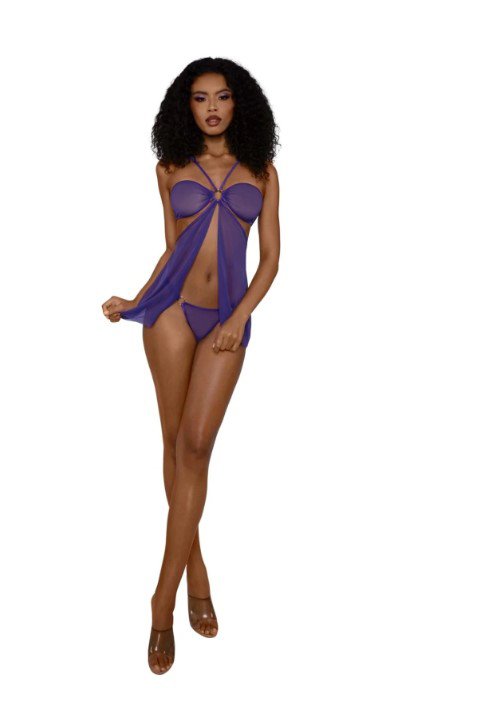
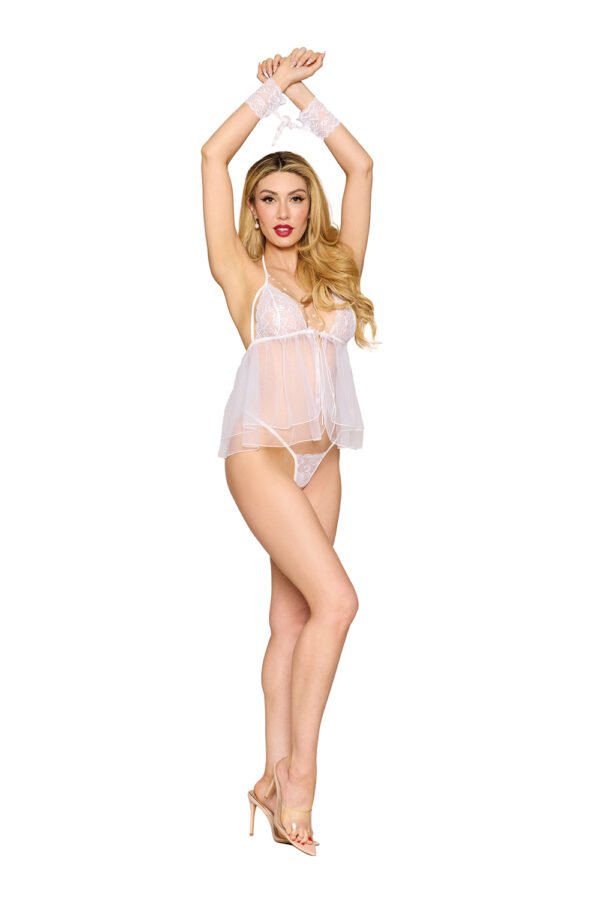
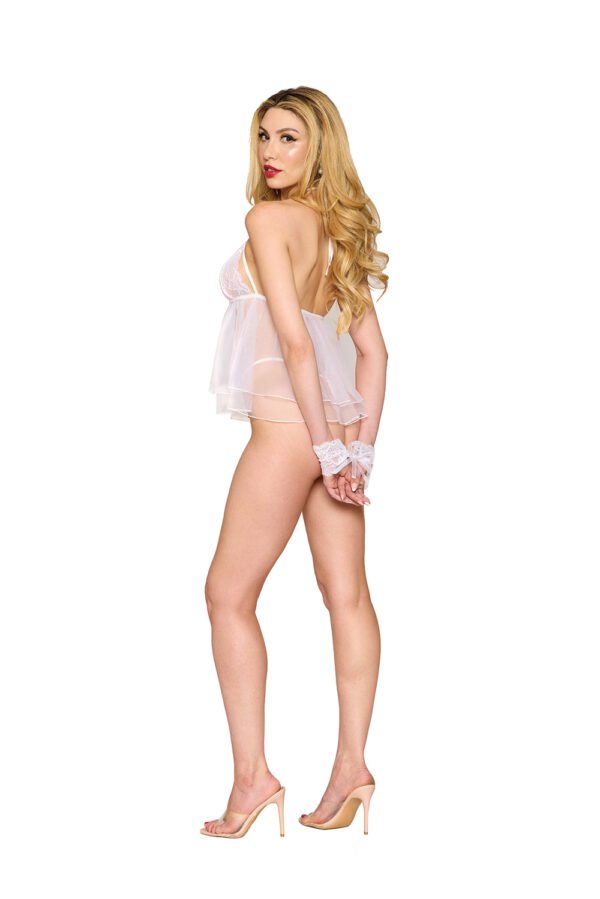
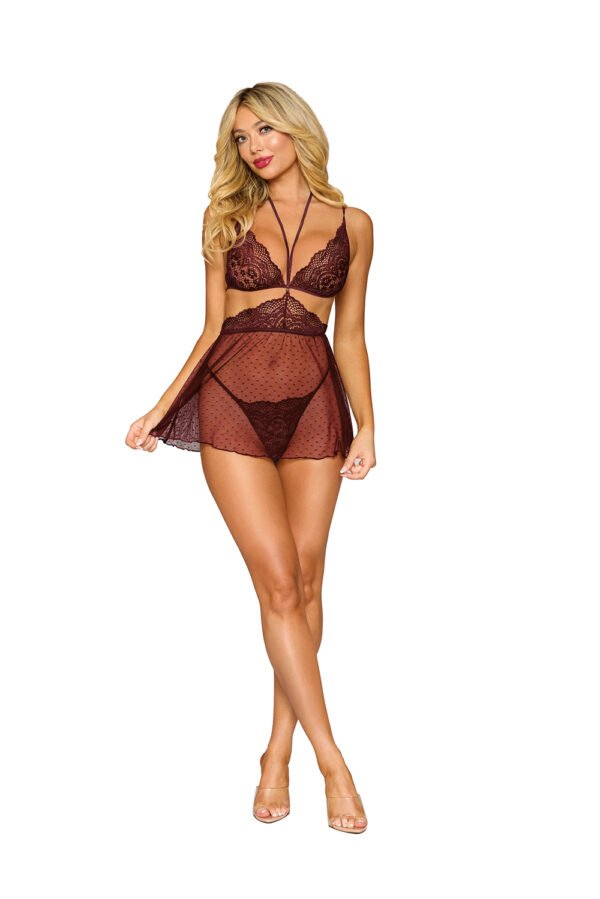
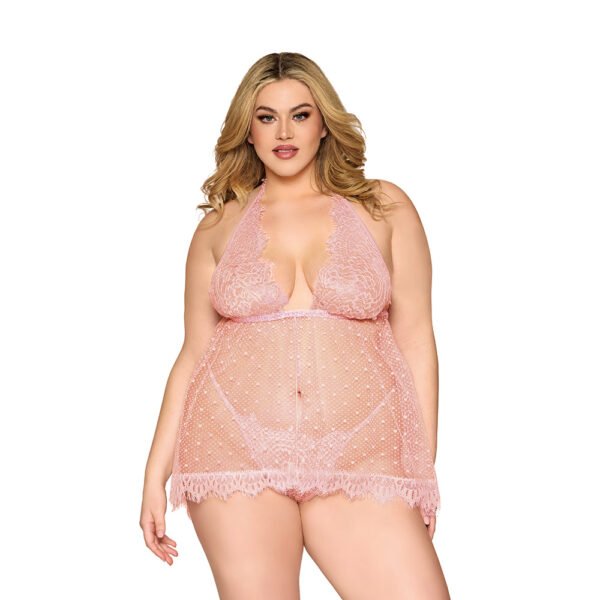
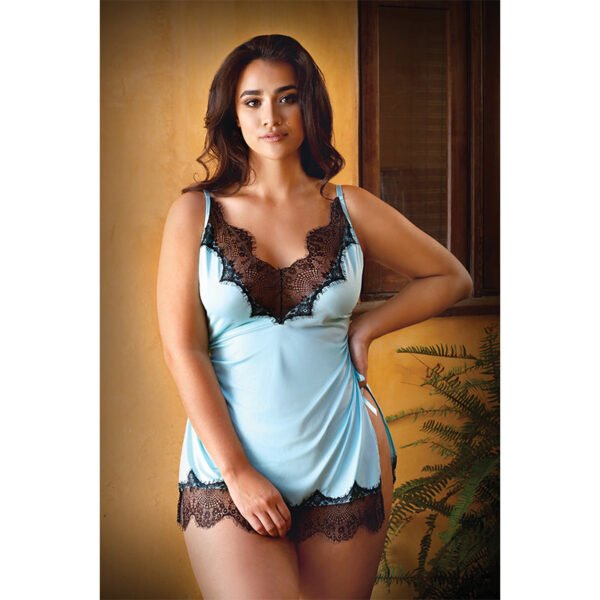
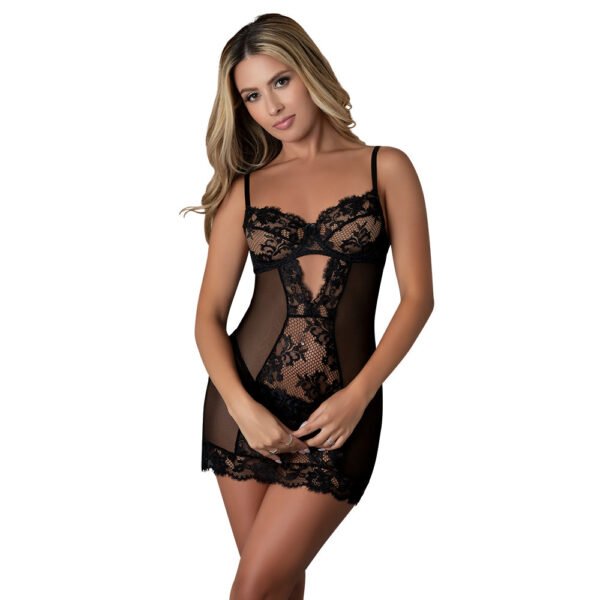
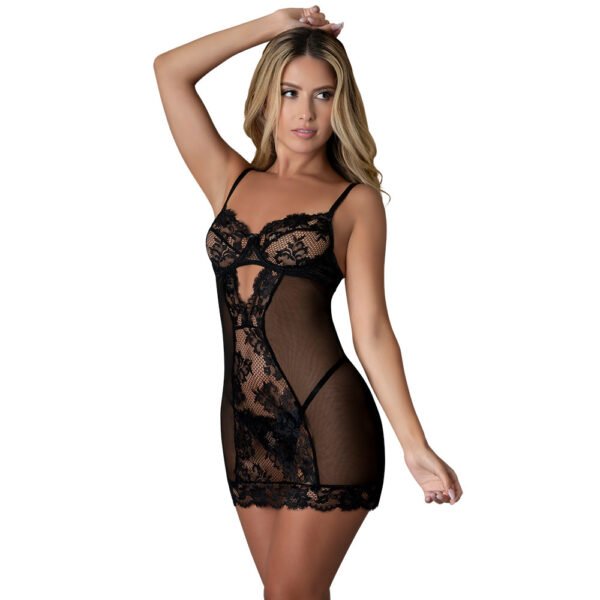
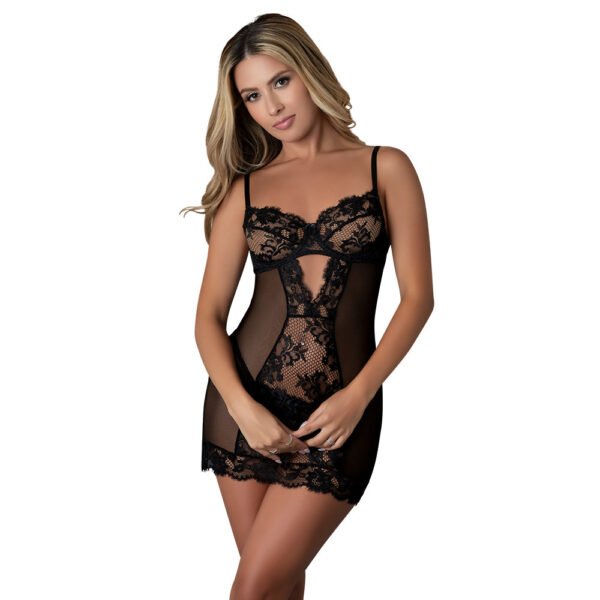
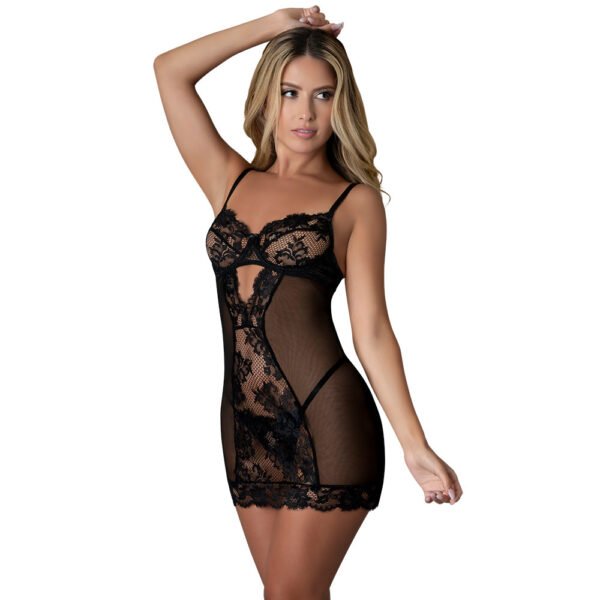
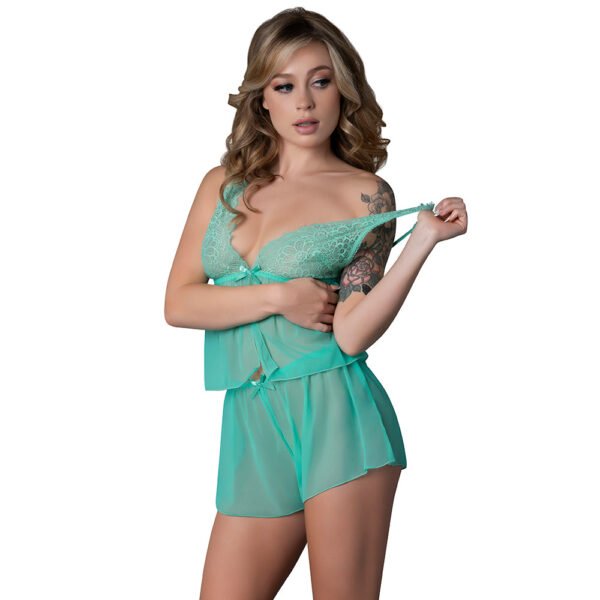
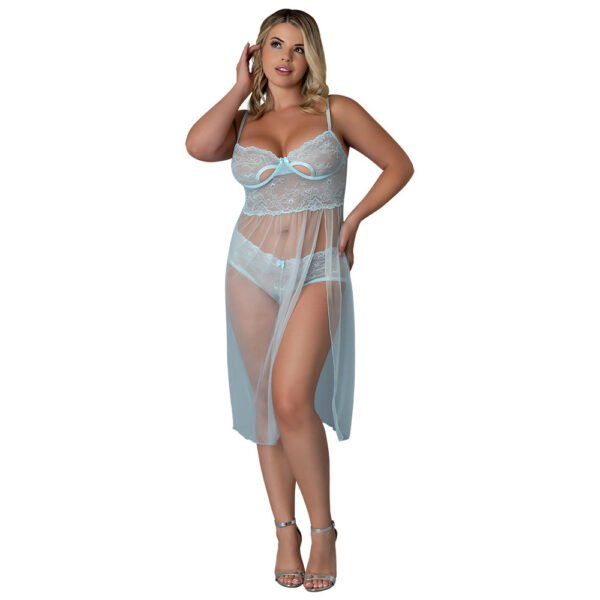
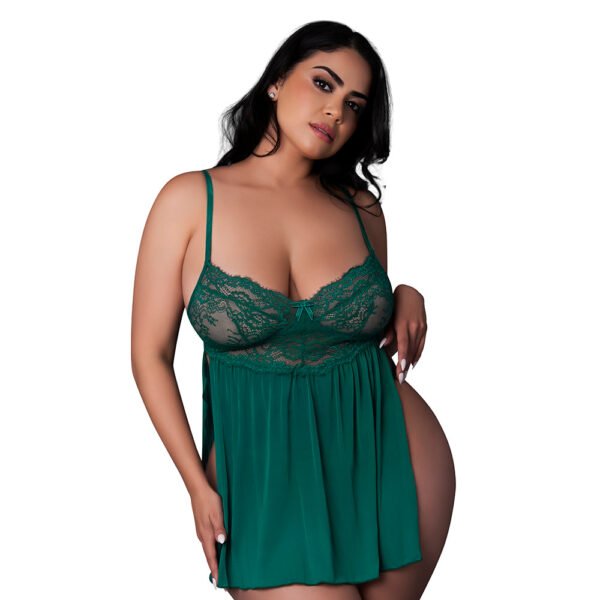
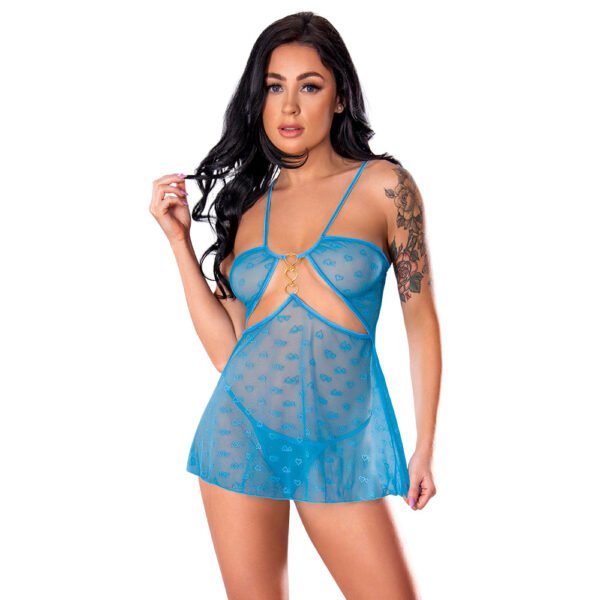
The fabric determines how a babydoll feels against your skin and how much it reveals. Stretch lace is the most forgiving: it moves with the body, tends to be softer than rigid lace, and the open weave adds texture without being stiff or scratchy. Sheer mesh sits flat and light, with almost no weight, which makes the skirt section flow easily but leaves little to the imagination. Satin has more body and drape, and a good polyester satin can look polished in photos, though it will feel noticeably different from woven silk satin, which is cooler and softer against the skin. If you have sensory sensitivity to rough or stiff fabric, check whether the lace is described as stretch lace or lined before buying. Rigid, unlined lace is the most common source of the “scratchy or itchy” complaints that follow an otherwise pretty piece home.
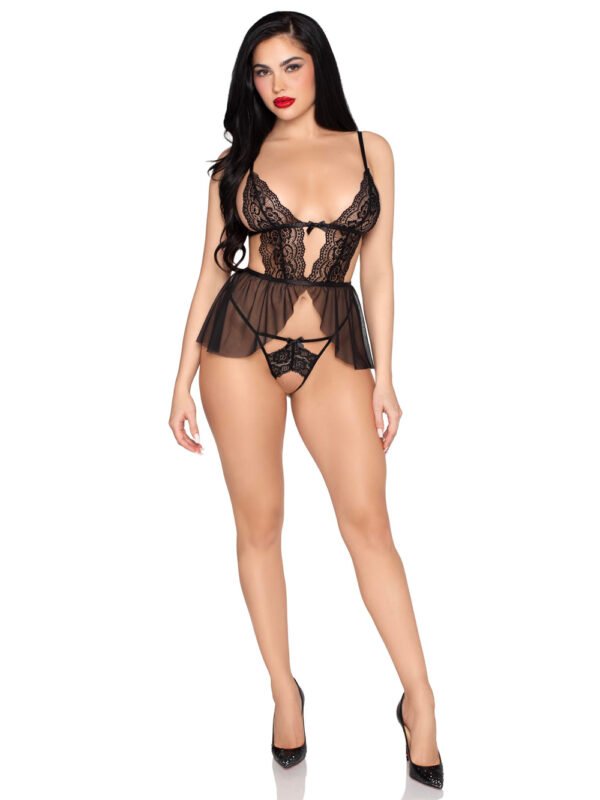
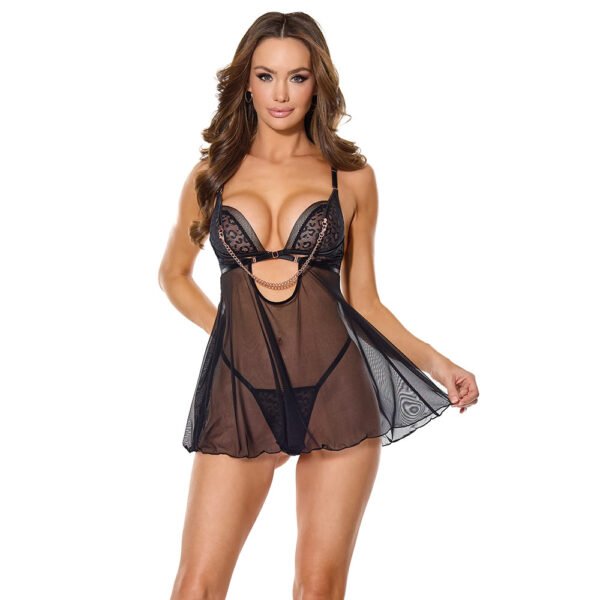
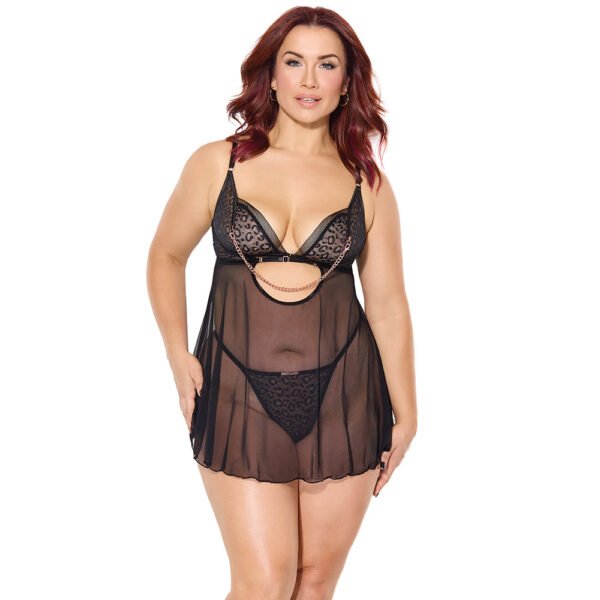
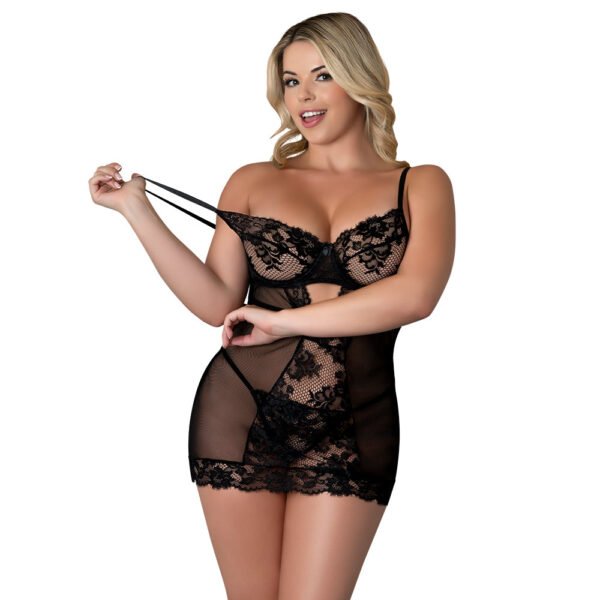
Babydoll tops handle the bust in three different ways, and none of them is automatically better. Underwire cups give the most defined shape and the most lift, and for larger busts they are usually the only option that means you can skip a separate bra entirely. A built-in shelf bra offers light support and a smoother line, but it works best in a smaller cup range. No structure at all, which is common in very sheer or tie-front styles, is comfortable and relaxed but provides no real support. If you need the babydoll to work without a bra underneath, look specifically for underwire cups or a bra-sized top rather than a one-size shelf construction.
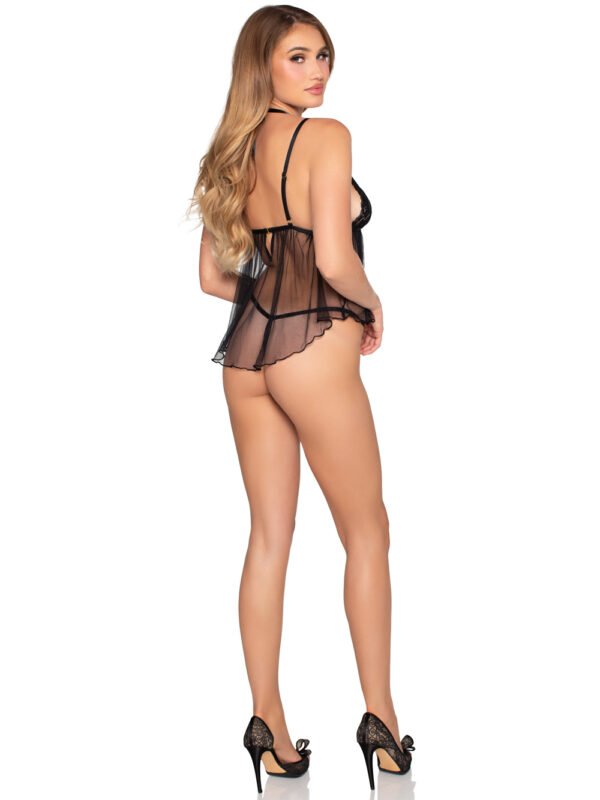
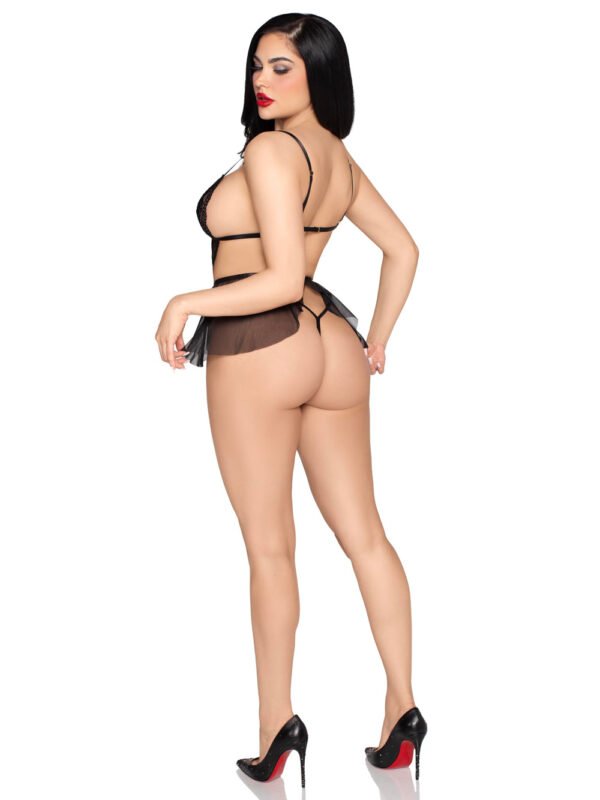
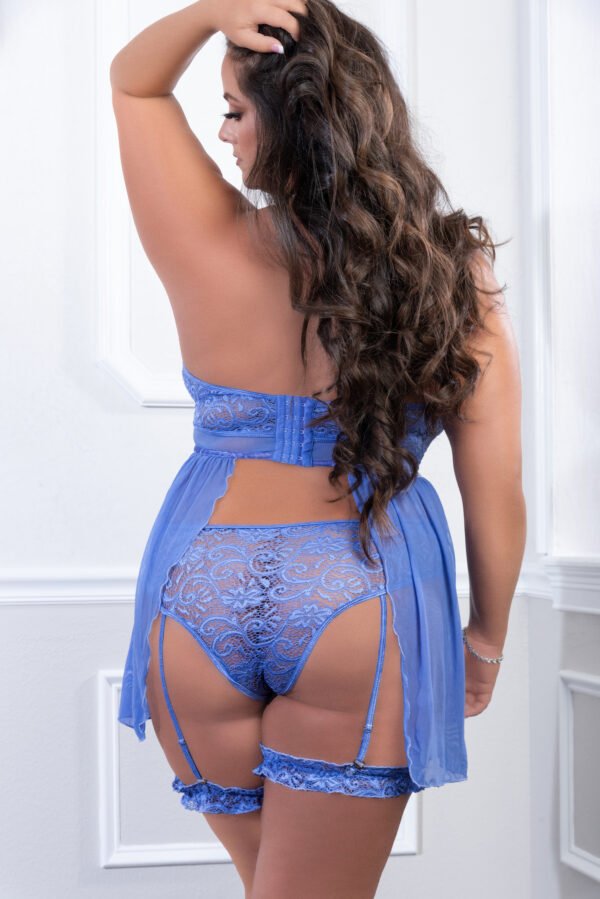
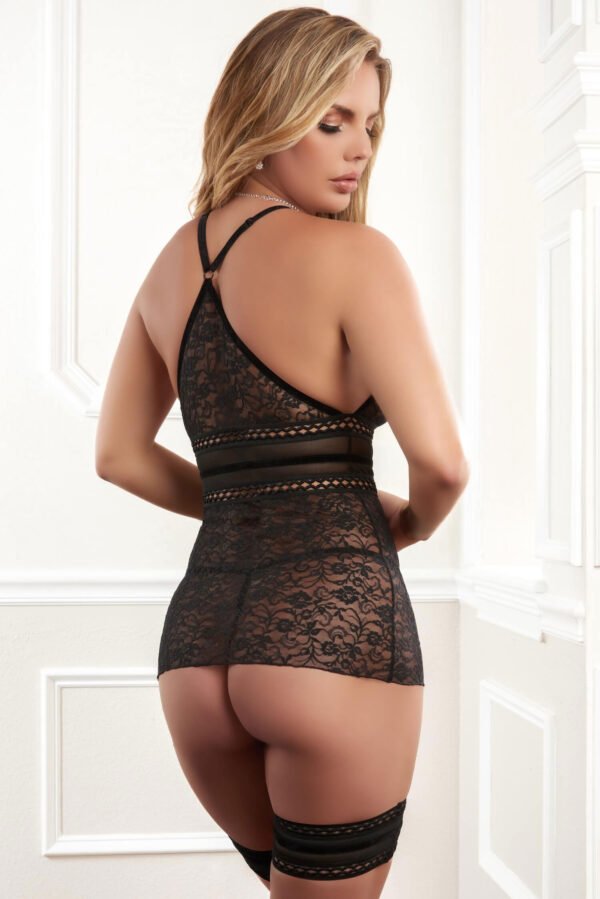
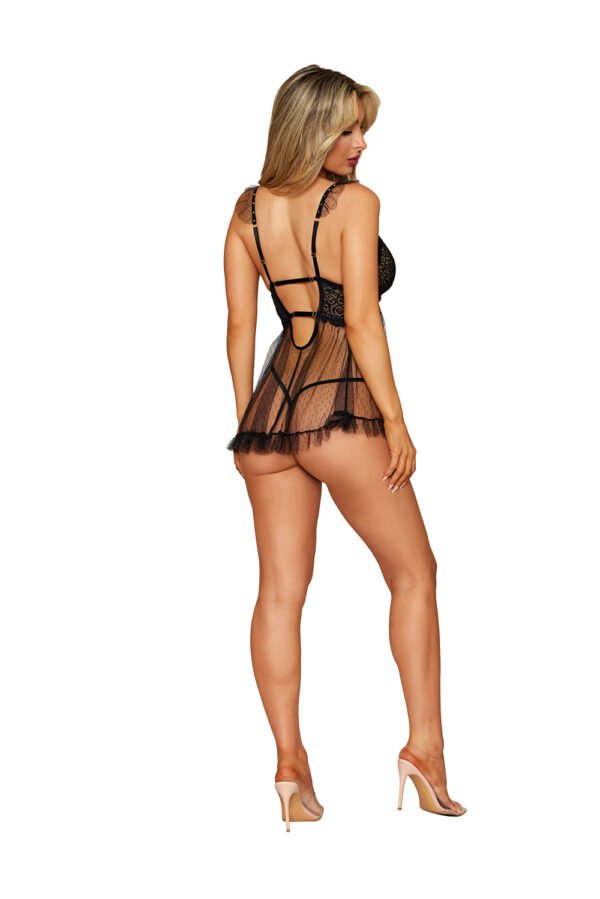
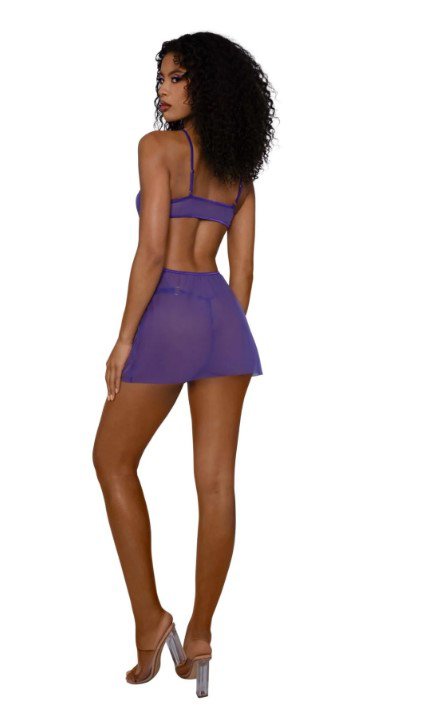
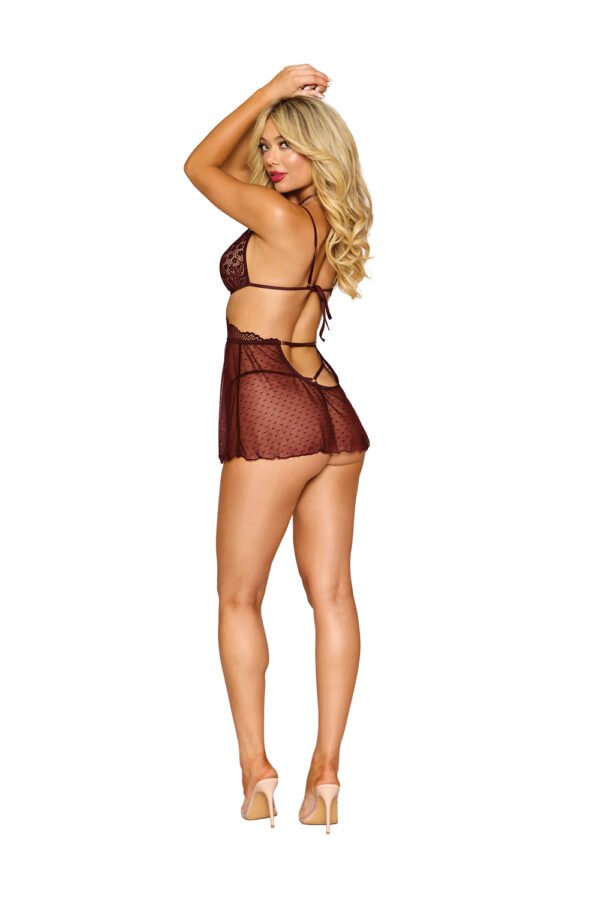
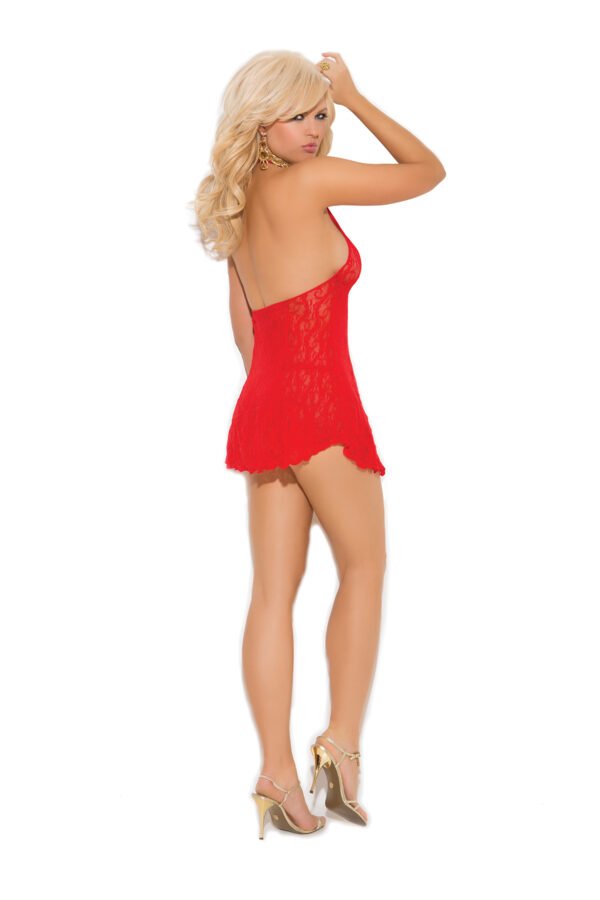
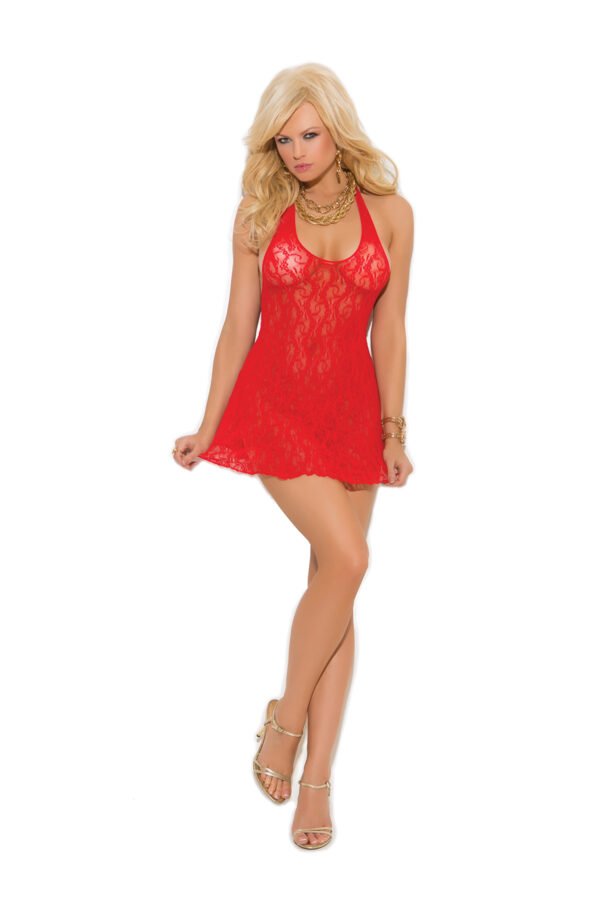
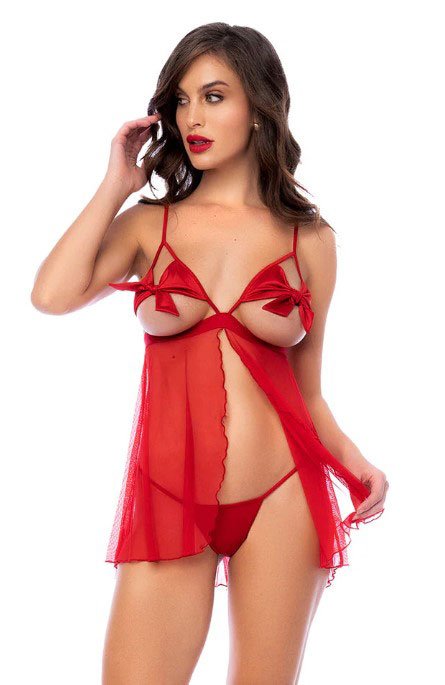
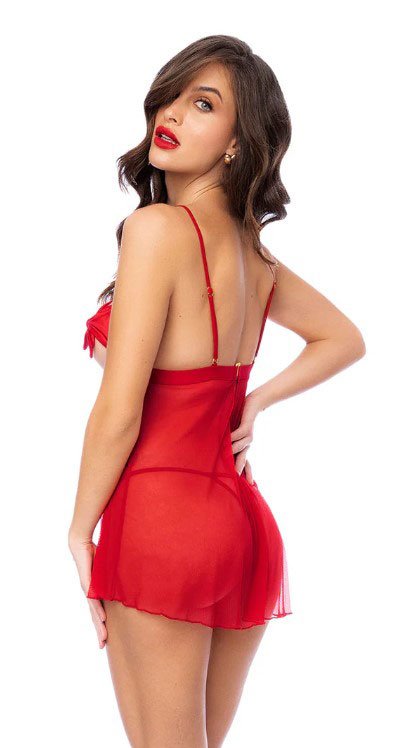
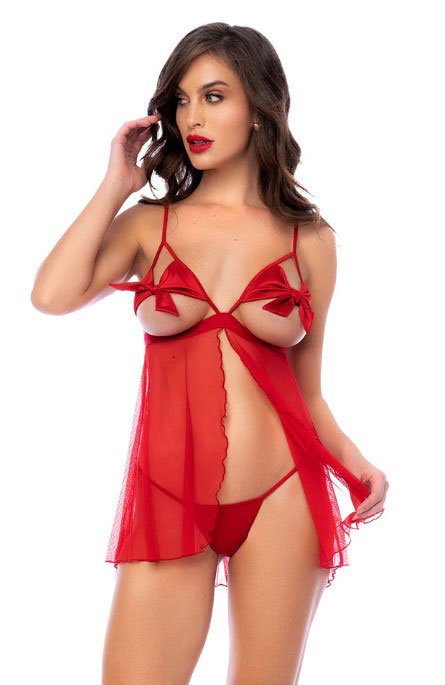
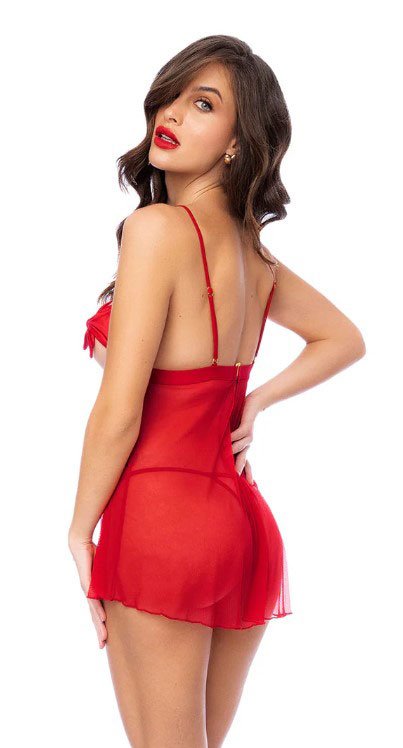
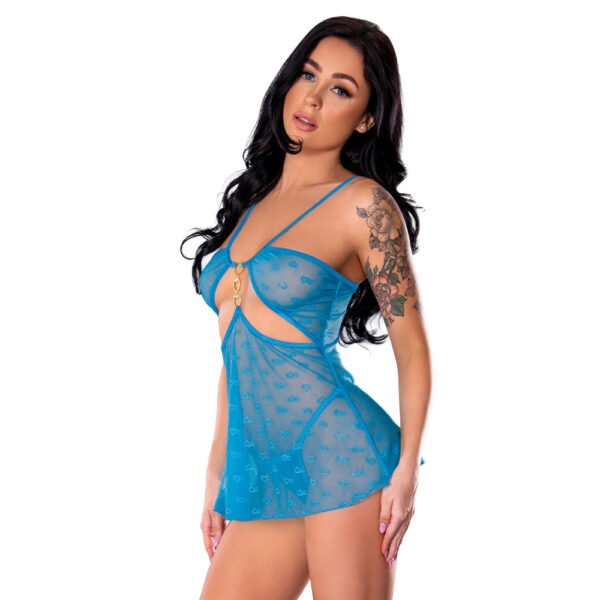
The skirt section of a babydoll does most of the visual work, and it can either flow and flutter or hang flat depending on two things: how much fabric was cut into it and how heavy that fabric is. A skirt cut from lightweight mesh with multiple gathered layers will have real volume and movement. The same skirt cut from a single panel of heavier satin will lie closer to the body and look flatter, which is not always a flaw but is often a disappointment when the product image showed something fuller. Hem length matters separately: a hip-length hem sits at the top of the thigh and feels more overtly intimate, while a mid-thigh hem drapes over the midsection more softly, which some shoppers prefer for comfort or coverage. Neither is more or less romantic, just different in how they sit on the body.
Most babydolls are sold as a set, but what comes in that set varies. A top-with-matching-panty set is the most common format and the most versatile: the panty coordinates without adding complexity. Some sets swap the panty for a thong or G-string, which changes the coverage underneath and is worth checking before you order. A three-piece set that adds removable garters is a different proposition entirely: the garters can be worn or left off, but they add a styling layer that suits a specific occasion rather than everyday wear. If the listing says “top only,” that is not a flaw, but it does mean you are choosing your own bottom, which gives you more control over fit and coverage.
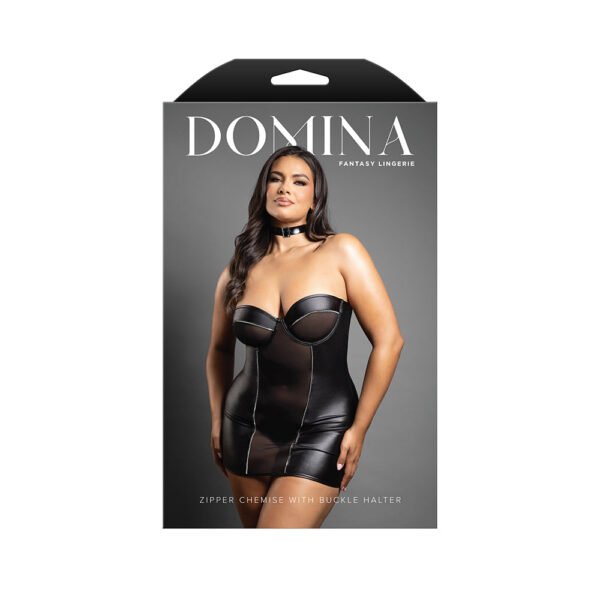
Babydoll sizing splits into two systems, and knowing which one you are looking at changes how you size yourself. Most babydolls use a band-and-hip system: you match your underbust measurement to a size range, and the skirt fits loosely by design. The bra portion in these styles is usually built for a limited cup range, often A through C or D, and the product page will not always say so clearly. Bra-sized babydolls go further: they size the cup explicitly, which means a 36DD will fit a 36DD rather than approximating it. If the cup height is not specified and you wear a larger cup size, check the size chart for any cup note, look for underwire as a signal that the top was engineered for more coverage, or size up in the band to give the bust more room. One resource worth bookmarking for broader size questions is the plus size lingerie section, which carries styles sized and constructed for a fuller range.
The silhouette is consistent across the category, but the details underneath it vary enough to make the difference between a piece you reach for and one you return. Two questions narrow it down fast: what level of bust support do you need, and how do you want the fabric to feel against your skin?
Beyond those, a few more variables are worth checking before you commit, especially if you have had a babydoll disappoint you before.
The silhouette works for a lot of bodies and preferences, but it does not work for everyone, and knowing that before you buy is more useful than finding out after.
For the full selection, explore our Lingerie.
Babydoll lingerie spans a wide range of moods and moments, so these collections are grouped by what shoppers actually need: genuine bust support for date night, fuller coverage and flowing skirts for everyday intimacy, and inclusive sizing for plus and curvy bodies.
Babydoll bra cups are sized by bust circumference, not by cup letter, so a garment labeled S/M or L/XL tells you the band range but says almost nothing about cup depth. The detail that matters is whether the cups are described as a shelf bra, an underwire cup, or simply “soft cups” with no further qualifier. A shelf bra adds a horizontal band of fabric beneath the bust for light lift but minimal projection coverage, which works well for A and B cups and often leaves a D cup or larger partially uncovered. Underwire cups are cut deeper and hold more volume, making them the more reliable choice for a full bust. “Soft cups” with no other description typically means no structure at all, which suits smaller busts but offers little support or coverage for larger ones.
One-size babydolls are usually designed around a bust range of roughly 32 to 38 inches. Outside that window, the cups either gap or compress rather than fit. If a product page does not specify a cup range, that is a real gap in the information, not an oversight to overlook. Sizing up one band size can sometimes improve cup coverage on non-bra-sized styles because the extra fabric in the bodice creates more room across the chest, though it will also loosen the band fit. Shoppers with a larger cup relative to their band are better served by styles that list an explicit cup size or a bust measurement range that includes their own.
Babydoll lingerie fabrics vary significantly in how they feel on contact, and the word “lace” covers a wide range. Stretch lace, which is woven with spandex, moves with the body and has a softer, more pliable hand; it rarely causes irritation even against sensitive skin. Rigid or embroidered lace, by contrast, is woven on a stable base without stretch, and its edges and raised thread patterns can feel scratchy, particularly where the fabric sits against the inner arm, underbust, or thigh. Product descriptions that specify “stretch lace” or list a nylon-spandex blend in the lace composition are a reliable signal of the softer type. Descriptions that mention “embroidered lace overlay” or “galloon lace” usually indicate a stiffer construction.
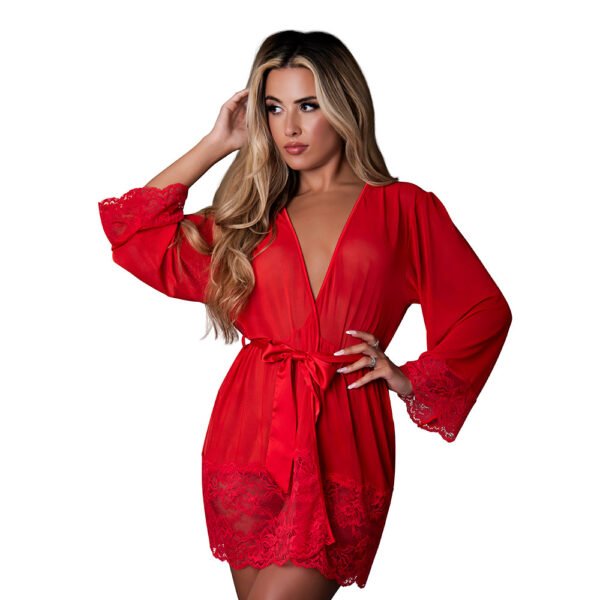
Sheer mesh is generally one of the most skin-friendly options in this category: the open weave sits lightly on the skin, breathes well, and rarely causes friction. Polyester satin has a smooth surface but does not breathe the way natural fiber satin does, so it can feel warm and slightly clingy after a few hours. Silk satin, which is genuinely rare at most price points, is lighter, temperature-regulating, and softer in a way that polyester cannot replicate. If a product is labeled “satin” without specifying silk, it is almost certainly polyester satin, which is a reasonable choice for occasional wear but will feel different from what most people picture when they hear “silk.” Shoppers with skin sensitivities are generally best served by stretch mesh, stretch lace with a high nylon content, or any style with a cotton-lined gusset where the fabric sits closest to the body.
Babydoll lingerie lasts longer and holds its shape better with hand washing in cool water using a gentle detergent, particularly for lace, mesh, and satin styles. Machine washing on a delicate cycle is an acceptable alternative for nylon-spandex blends, provided the garment goes into a mesh laundry bag and the water stays cool; hot water breaks down elastane fibers and causes lace to stiffen over time. Avoid wringing or twisting the fabric. Lay the piece flat or hang it by the band to dry rather than using a dryer, which degrades both the fabric structure and any underwire casing.
Storage matters more than most care guides acknowledge. Folding a babydoll with lace trim against itself repeatedly causes the lace edges to snag and distort, which flattens the skirt volume over time. Laying pieces flat in a drawer, or hanging them individually on a padded hanger, keeps the mesh skirt full and the straps untangled. Storing babydolls in a breathable fabric pouch rather than a sealed plastic bag also helps natural and semi-synthetic fabrics stay fresh between wears.
High-demand sizes and bridal colorways sell out quickly, especially during sale events. If a style you want is out of stock in your size, use the size alert option on the product page to get an email the moment it is restocked, so you are not checking back repeatedly and missing it a second time.
You can also save styles to your wishlist while you are browsing, which makes it easier to come back to a specific product and size without losing your place in the collection.
Completely normal. A lot of shoppers sit with the tab open for a while before they commit, and that hesitation usually comes down to not knowing how it will look or feel on their specific body, not any lack of confidence. The style is genuinely more forgiving than it appears in product photos, and most people who try one are surprised by how comfortable it is to actually wear. Start with a fabric and a color that feel low-stakes to you, and go from there.
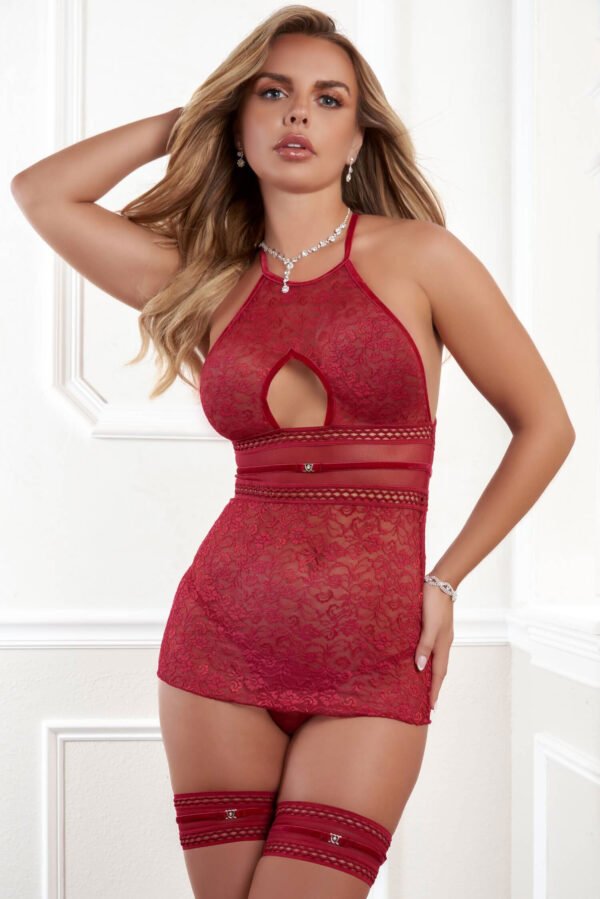
Yes, and it matters more than most shoppers expect. Lighter colors, especially white, blush, and baby blue, tend to read as more sheer against most skin tones, even when the fabric weight is identical to a black or red version of the same style. Black and deep jewel tones typically hold their opacity better. If sheerness is a concern, darker colorways or styles described as semi-sheer rather than fully sheer are the more reliable choice.
Sizing consistency across lingerie brands is genuinely inconsistent, and babydolls are no exception. One brand’s S/M may be cut for a 34-inch bust while another’s starts at 36 inches, and the cup depth built into the bra portion varies just as much. The measurement ranges listed in each product’s size chart, rather than the size label itself, are the reliable reference point. When two styles you are considering overlap on bust measurement, the one with the more detailed cup description is usually the safer pick for fit confidence.
The babydoll silhouette is one of the more practical choices for postpartum bodies because the skirt releases from the underbust and drapes softly over the midsection without pressing against it. That said, the bra portion matters as much as the skirt: styles with adjustable straps and some built-in support tend to work better for postpartum bust changes than those with fixed, unstructured cups. Fabric choice is worth thinking about too, since soft stretch mesh and microfiber are less likely to irritate sensitive skin than rigid lace or heavily structured panels.
A babydoll and a chemise are close relatives, but the fit logic is different. Babydolls gather or seam at the underbust and release into a flared skirt, so the fabric moves away from the body below the bust. A chemise typically falls straight or with a gentle A-line from the shoulder or chest, sitting closer to the body through the torso. For shoppers who want coverage over the midsection with some distance between fabric and skin, the babydoll’s released skirt usually does more work than a chemise cut.
Babydolls can work well as gifts because the skirt portion is loose and forgiving, so the fit is less precise than a bodysuit or a fitted teddy. The bra portion is the harder part to get right without knowing the recipient’s cup size. Choosing a style with adjustable straps and stretch fabric in the top gives more room for the fit to work across a range, and sizing up rather than down is the safer call since the skirt will still drape well and the band can usually be adjusted. Including a gift note with the order confirmation makes an exchange easy if the size is not quite right.

Helpful guides, product tips, and simple explanations to help you find what feels right.
No account yet?
Create an Account