


Article
Beginner Butt Plug Guide: What a Butt Plug Is, How It Works, and How to Use One Safely04/05/2026

Deals
Bestsellers

+39
Most-Loved Picks
Customer favorites for comfort, care, and everyday pleasure
Shop BestsellersSale · up to 40% off

+891
Soft Savings
Limited-time offers on body-safe essentials and feel-good favorites
View SaleSeasonal edit


+267
Seasonal Comfort Edit
Curated picks for holidays, date nights, gifting, and cozy nights in
Explore the EditFeatured
 Discreet Packaging
  Secure Checkout
  Body-Safe Materials
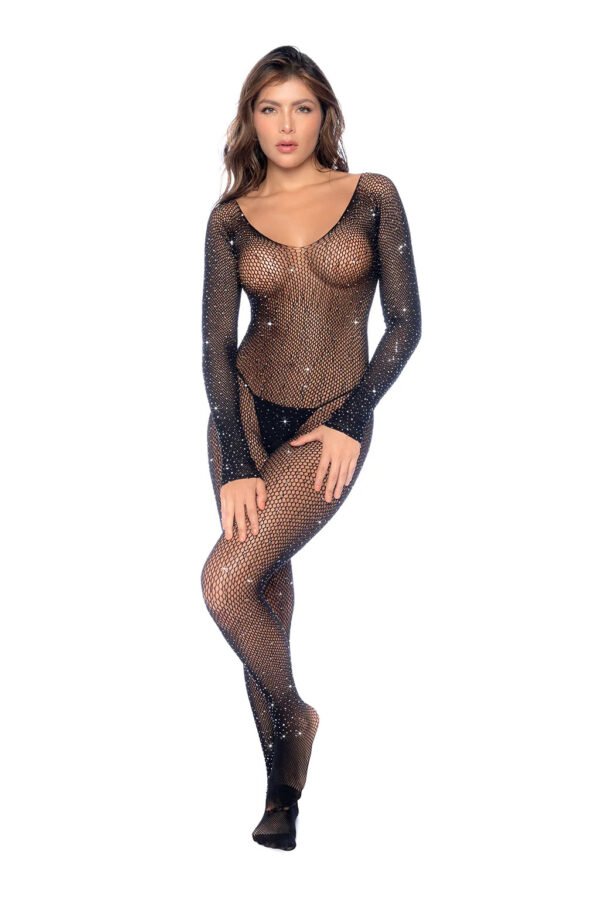
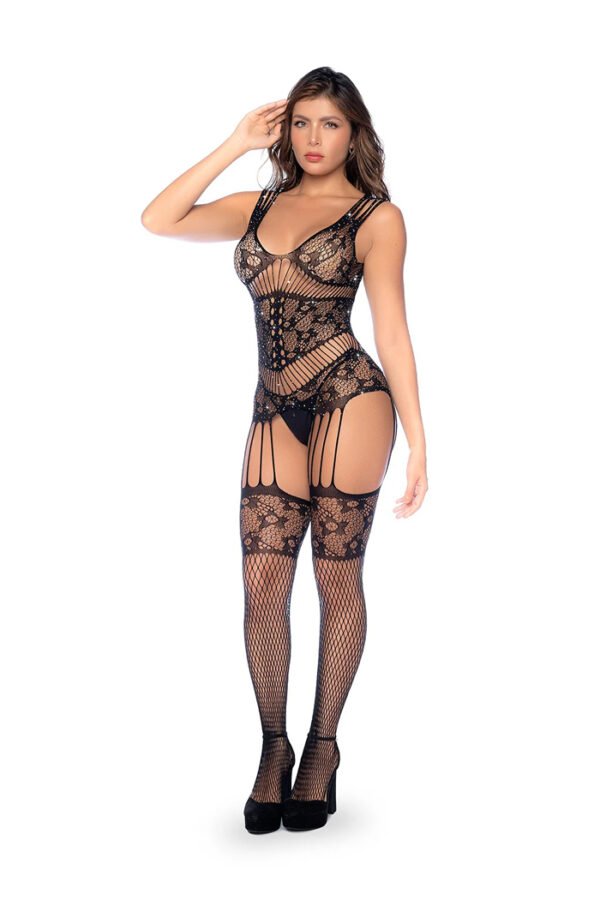
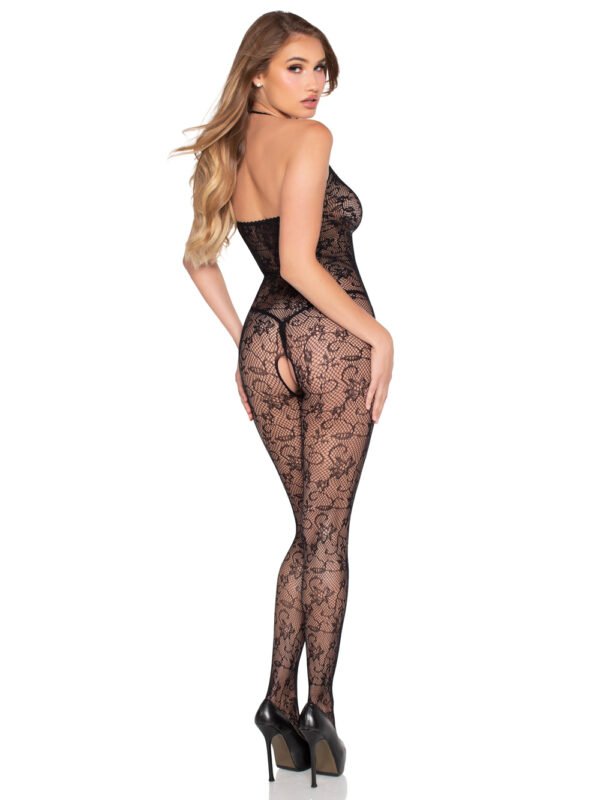
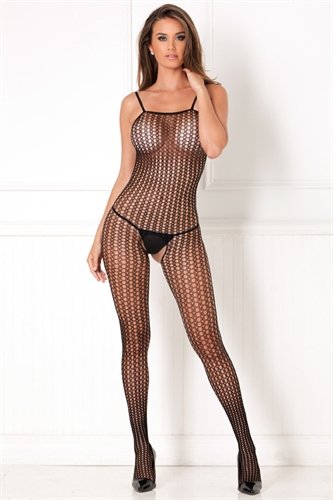
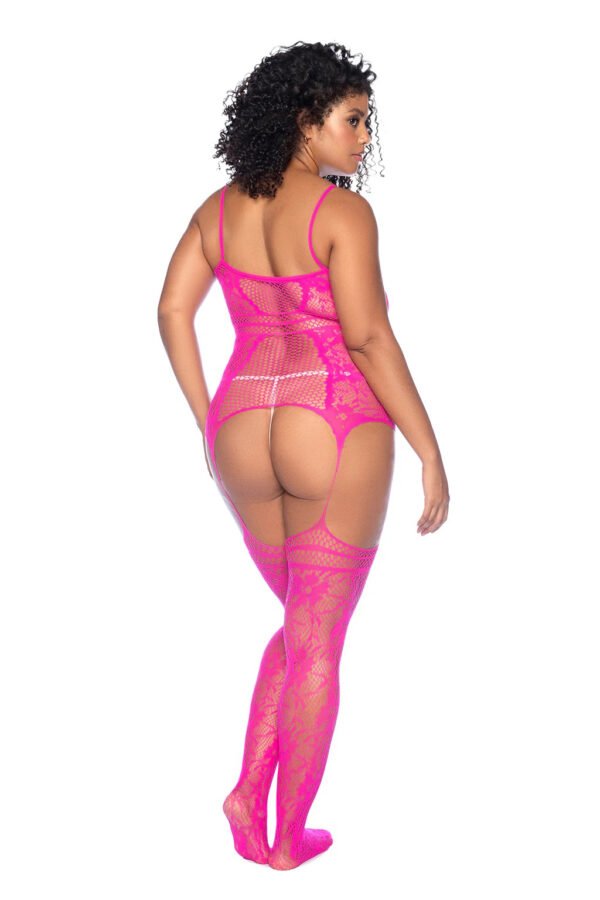
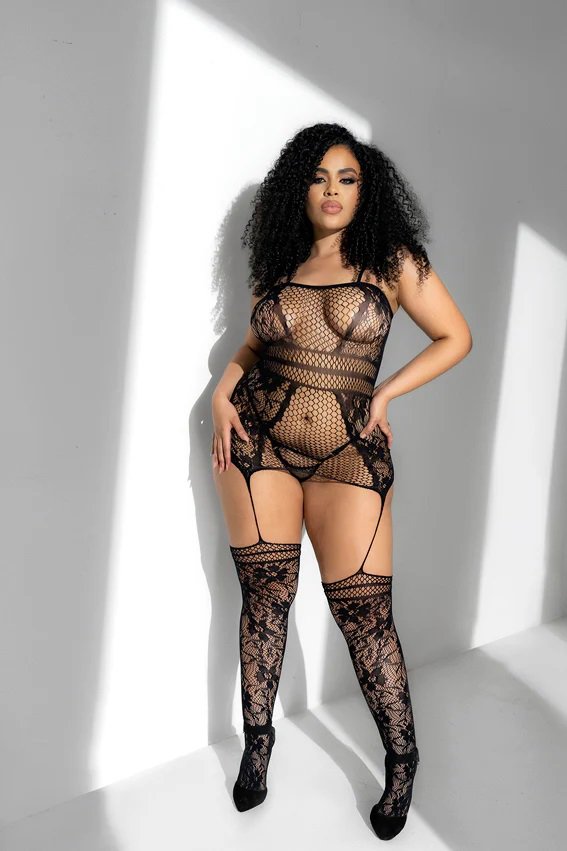
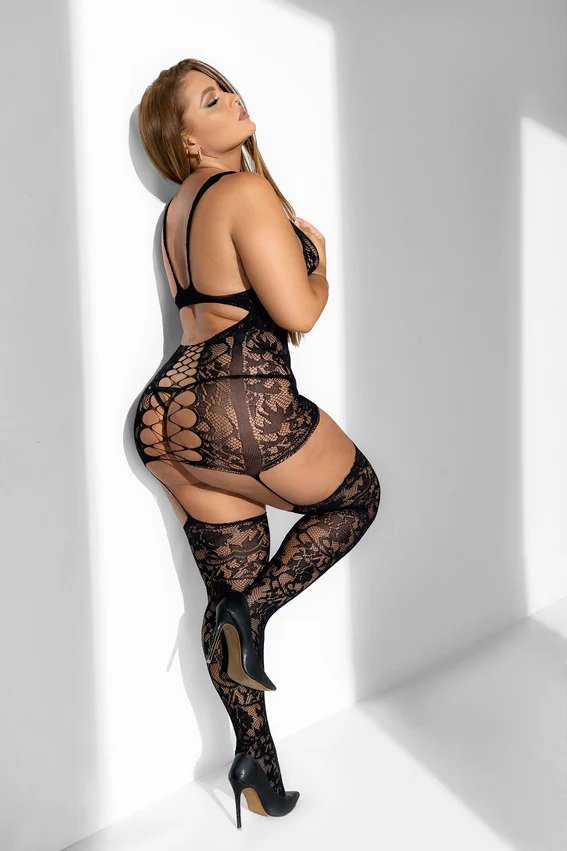
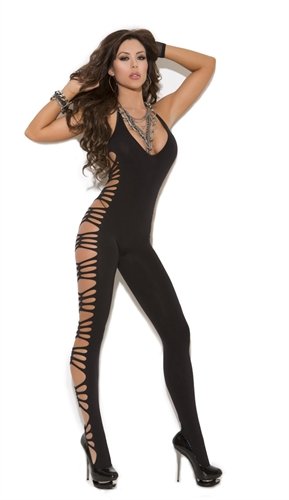
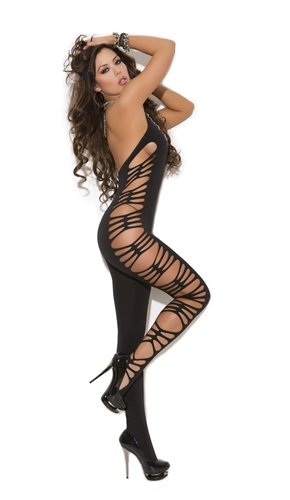
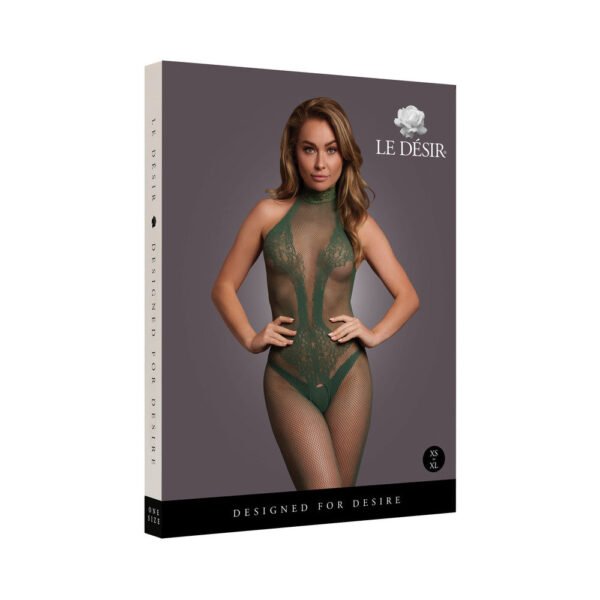
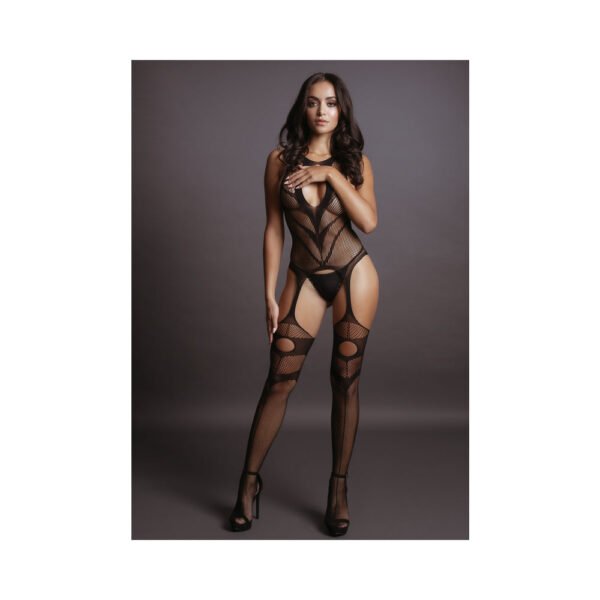
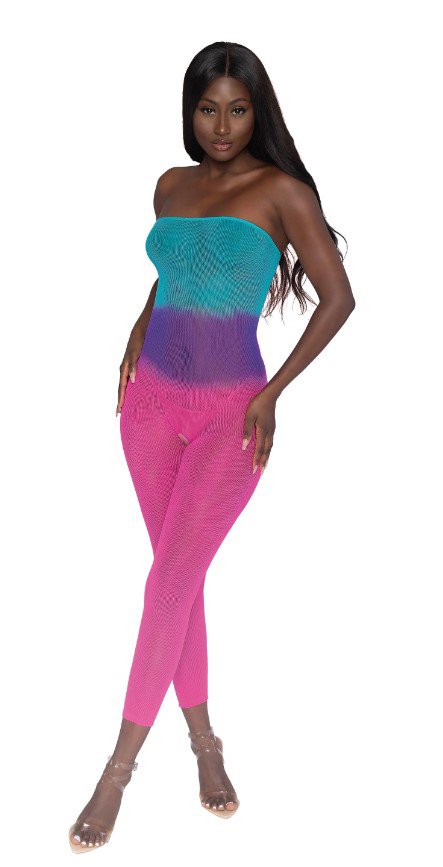
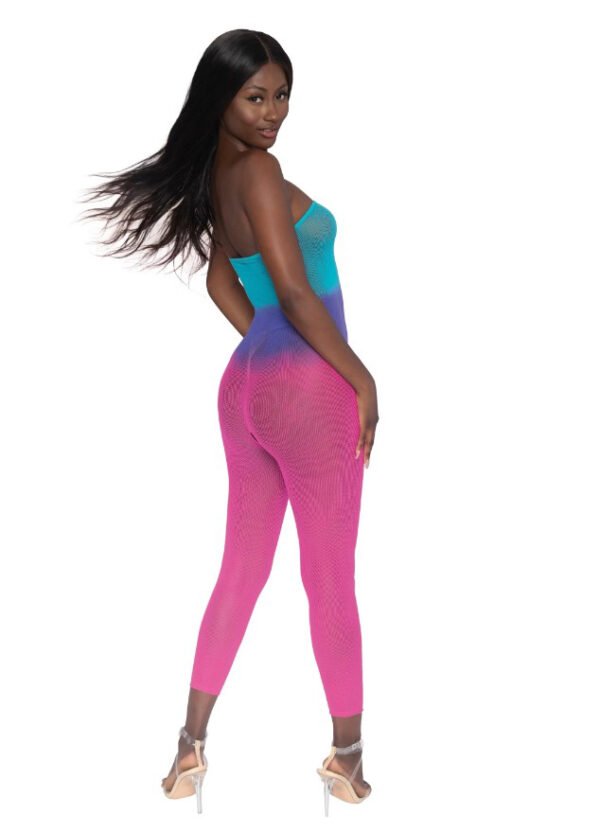
 A bodystocking is a single-piece stretch garment that covers the torso and legs in one continuous layer, worn as lingerie or a layering piece under sheer clothing. It replaces a separate bra and panty combination with a seamless, body-skimming silhouette, and it works for date night, boudoir shoots, or simply wearing something that feels deliberate.
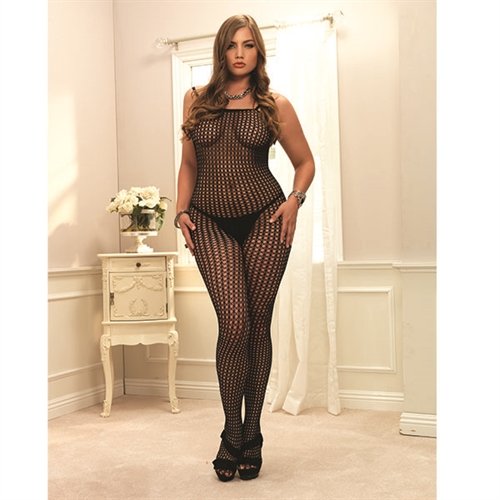
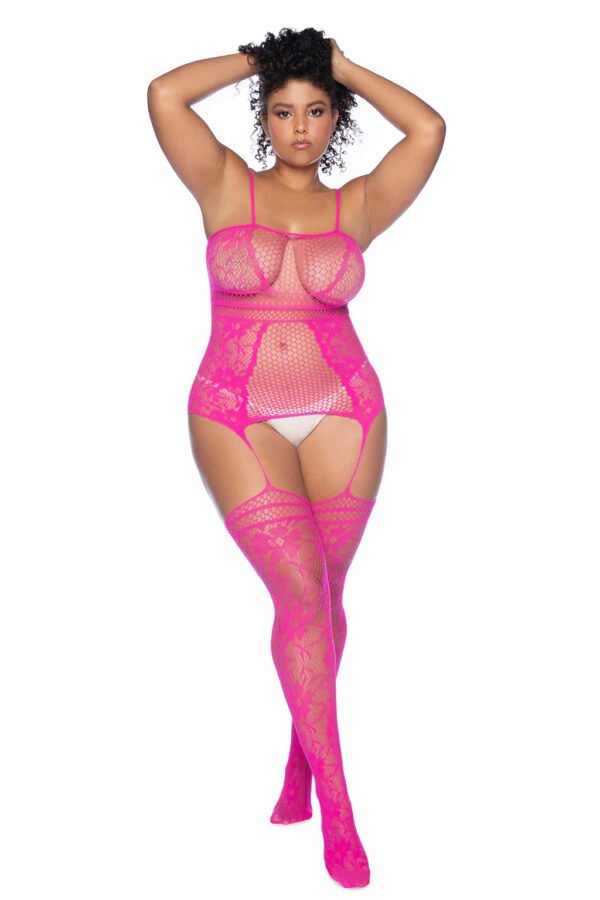
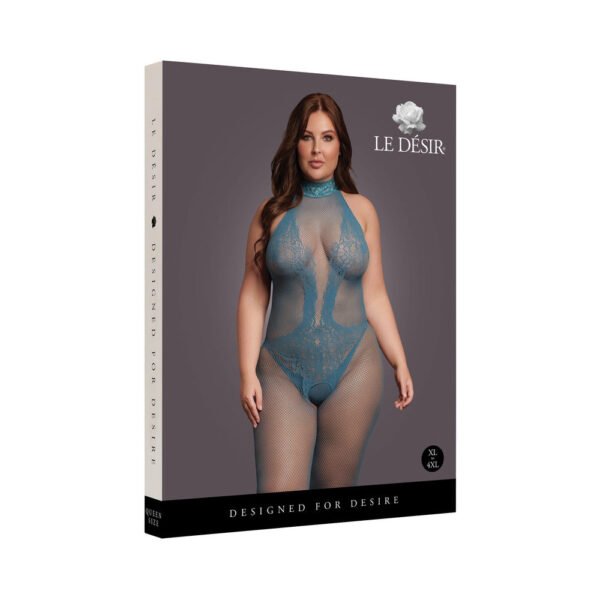
Most bodystockings use a nylon-spandex blend with four-way stretch, which means one size often fits a wider range than the label suggests. Start with your hip measurement, since the leg and seat are the tightest points. Shoulder-to-crotch length matters too: if that dimension runs short, the garment pulls down at the neckline. Claim Night carries both standard and curvy sizing, with some styles fitting up to a 4X, so check the listed weight and measurement range rather than defaulting to your usual size.
Bodystockings come in several distinct styles, and the differences between them go beyond color or pattern. What you choose depends mostly on coverage, fabric feel, and how you want to wear it.
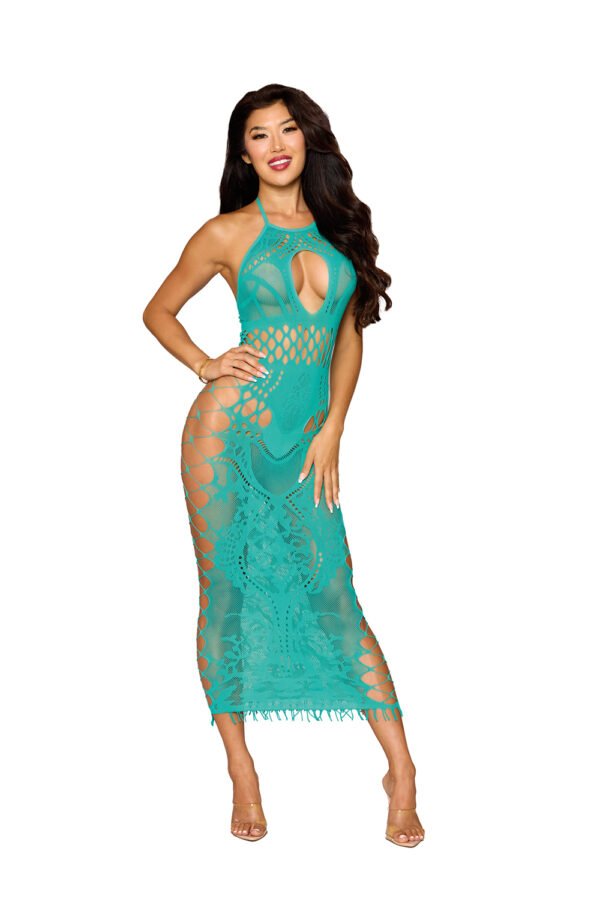
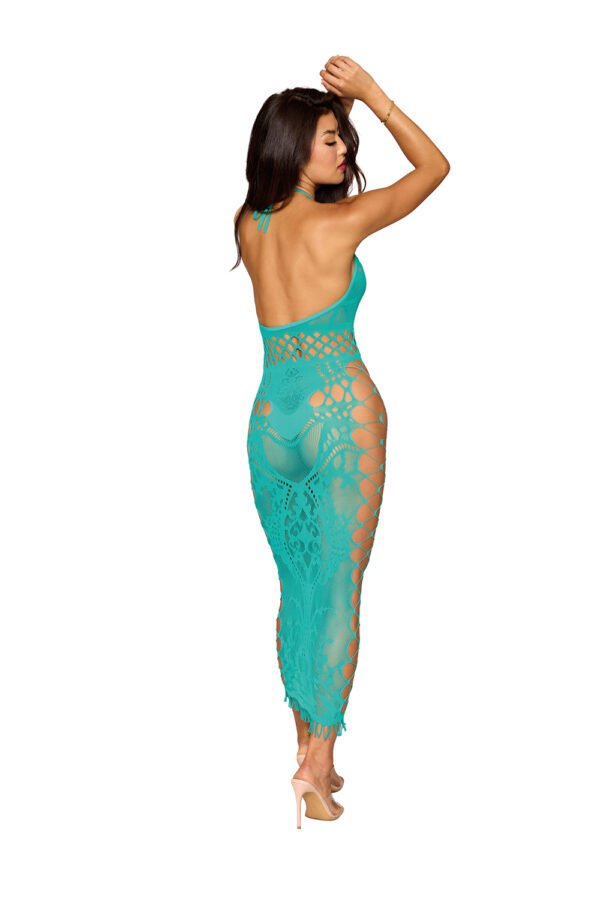
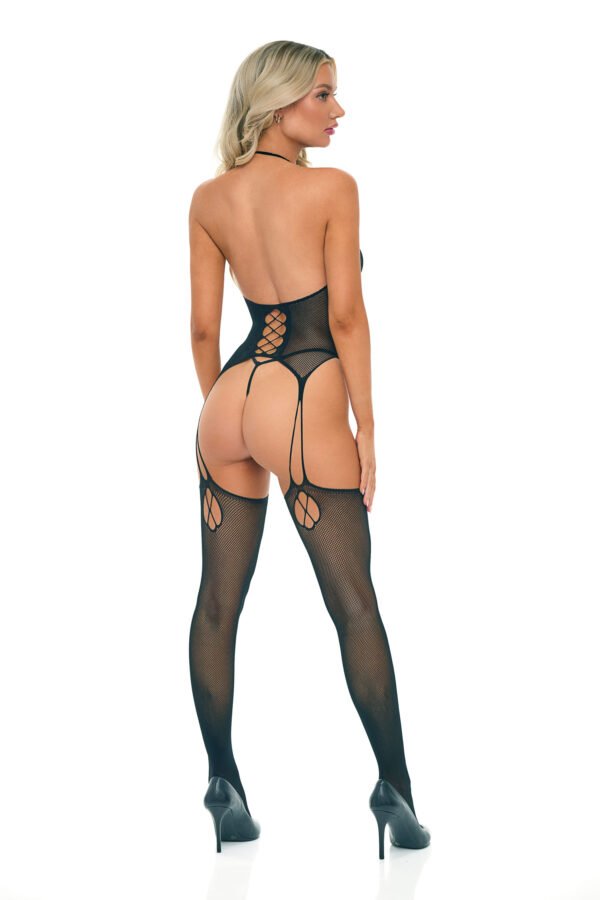
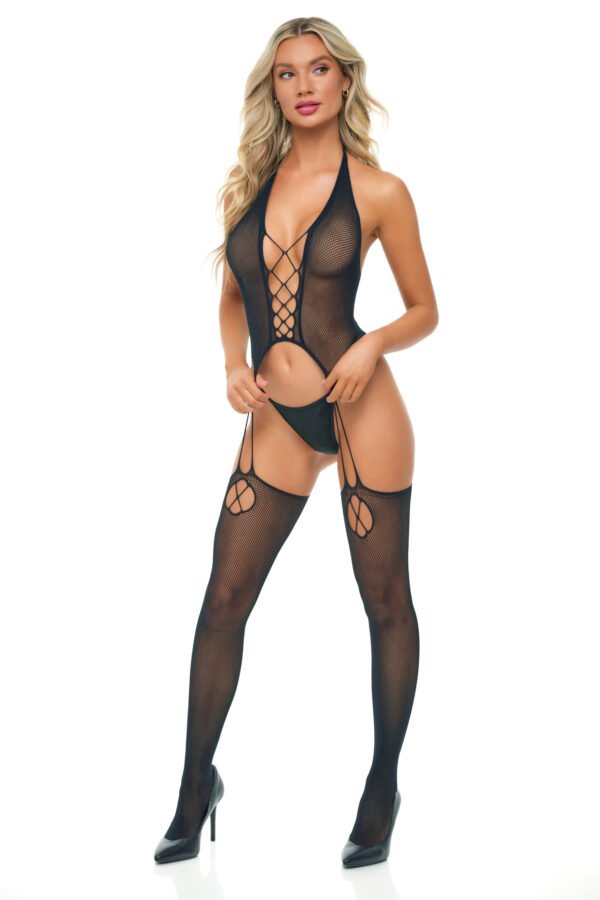
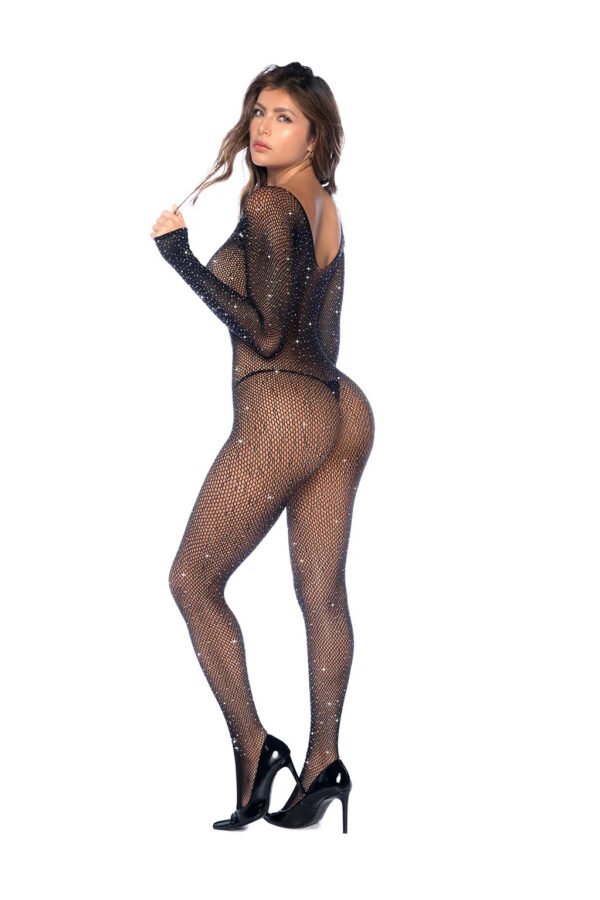
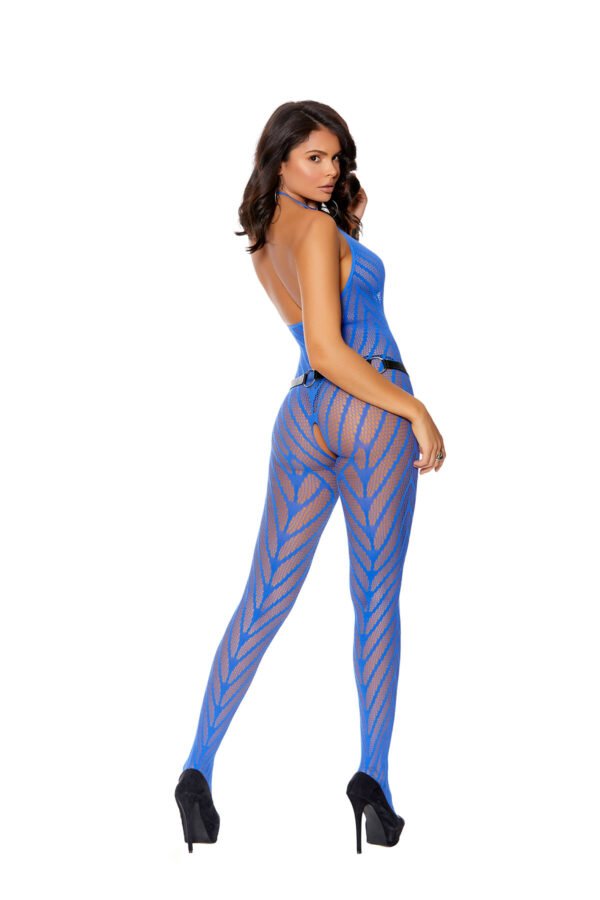
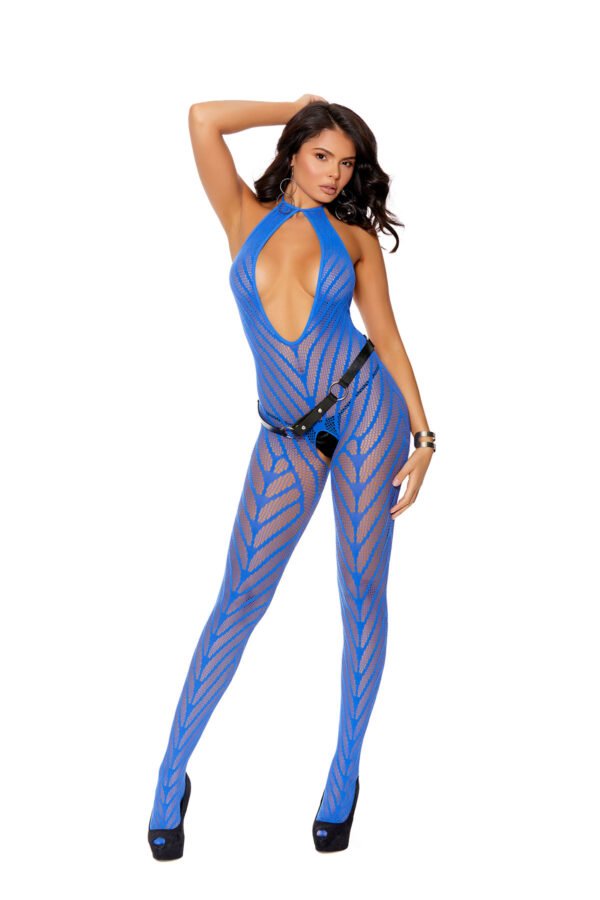
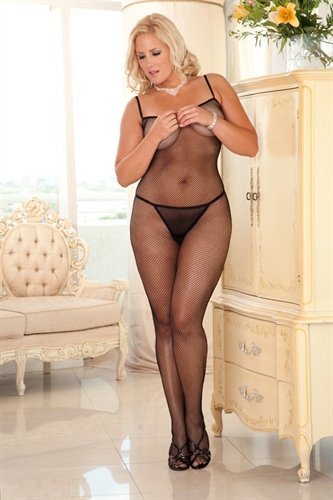
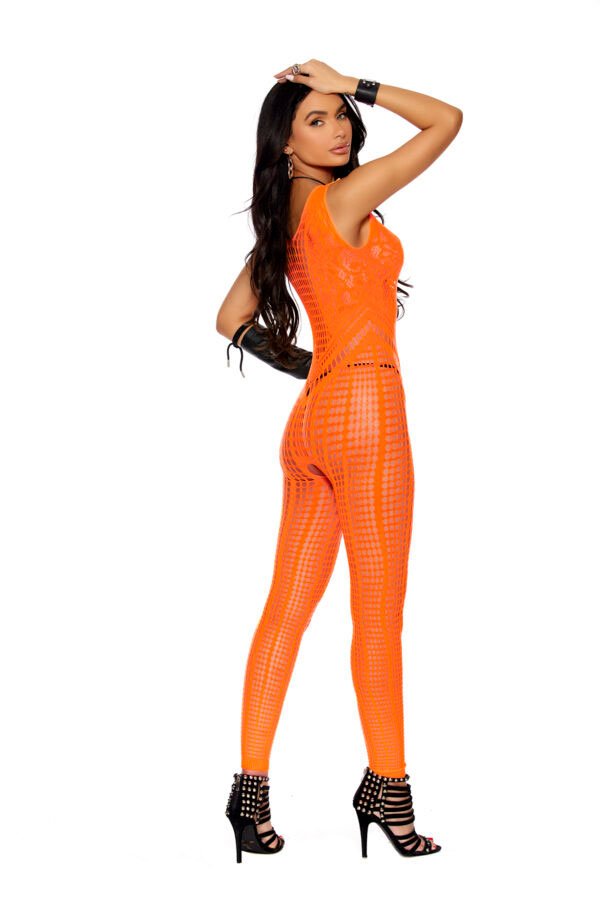
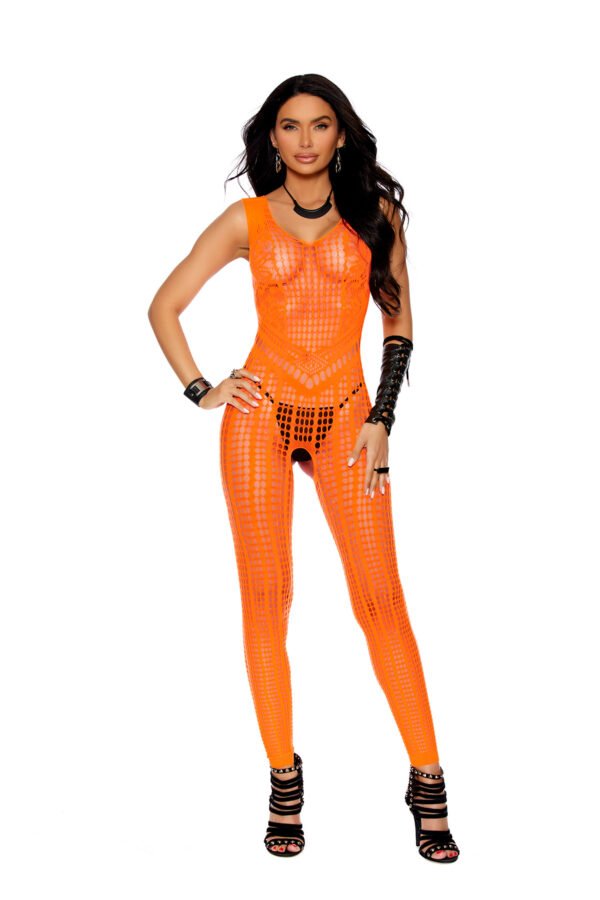
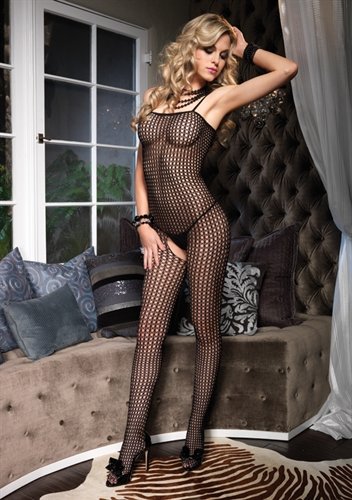
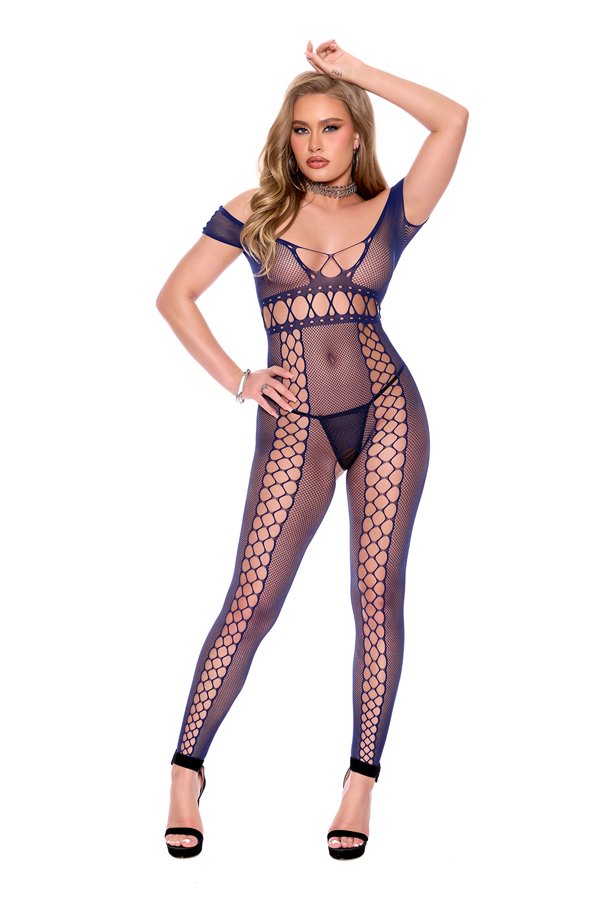
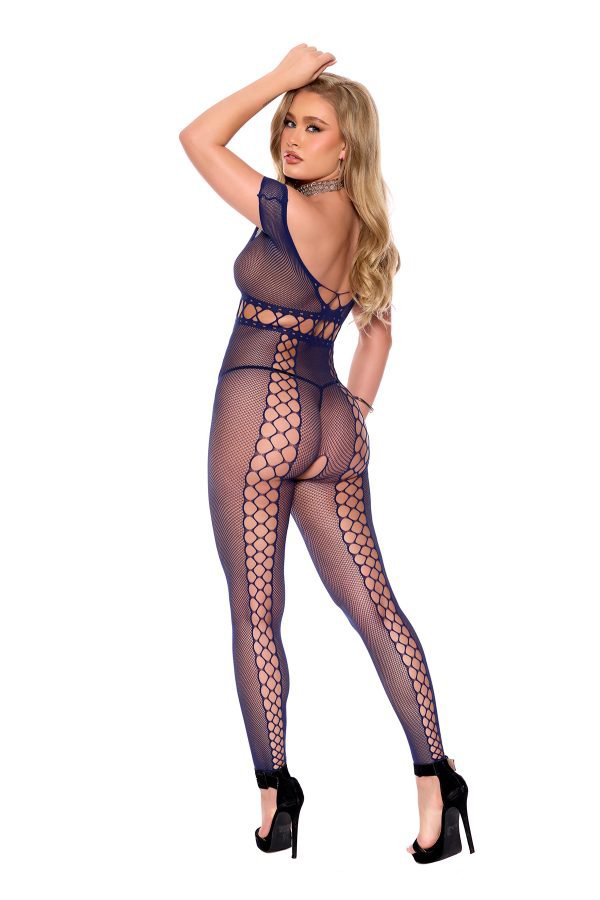
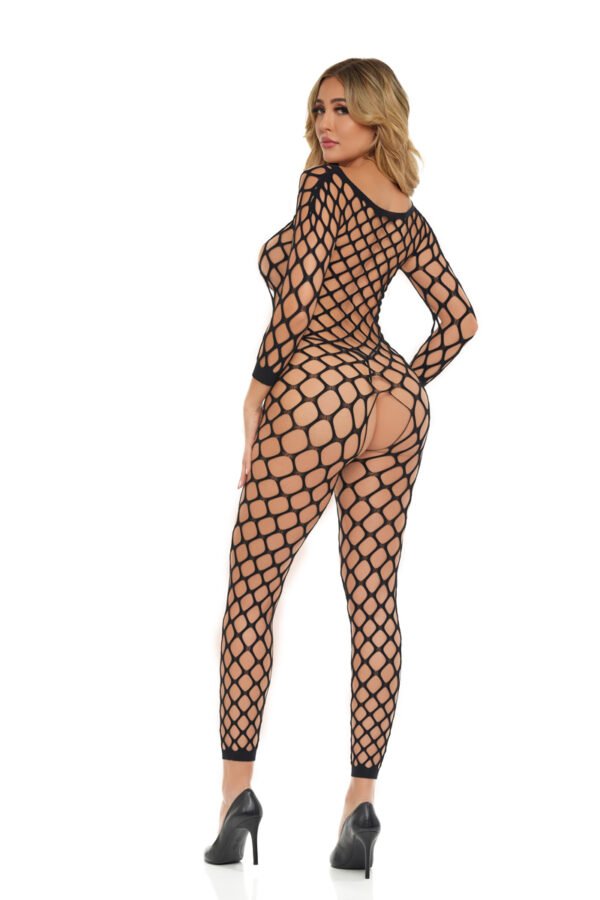
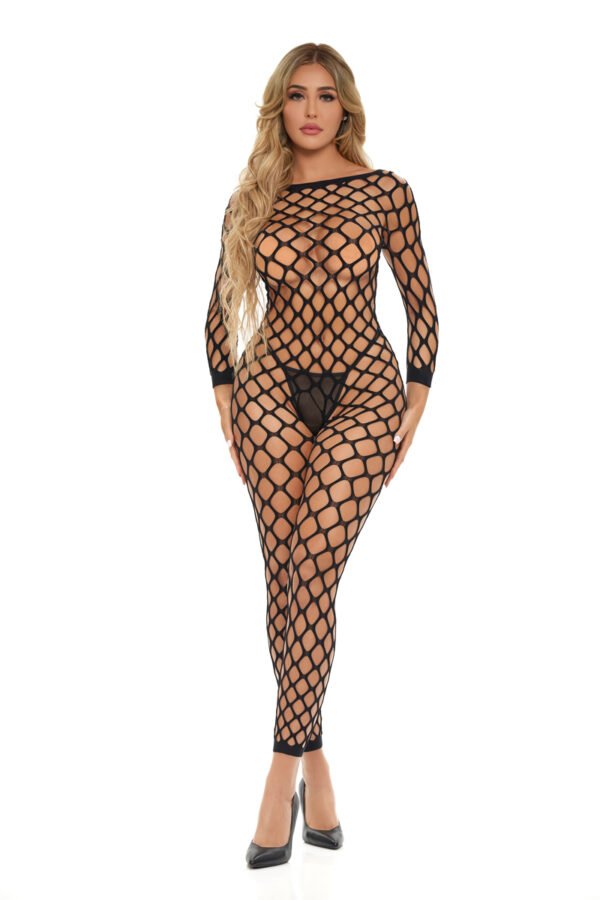
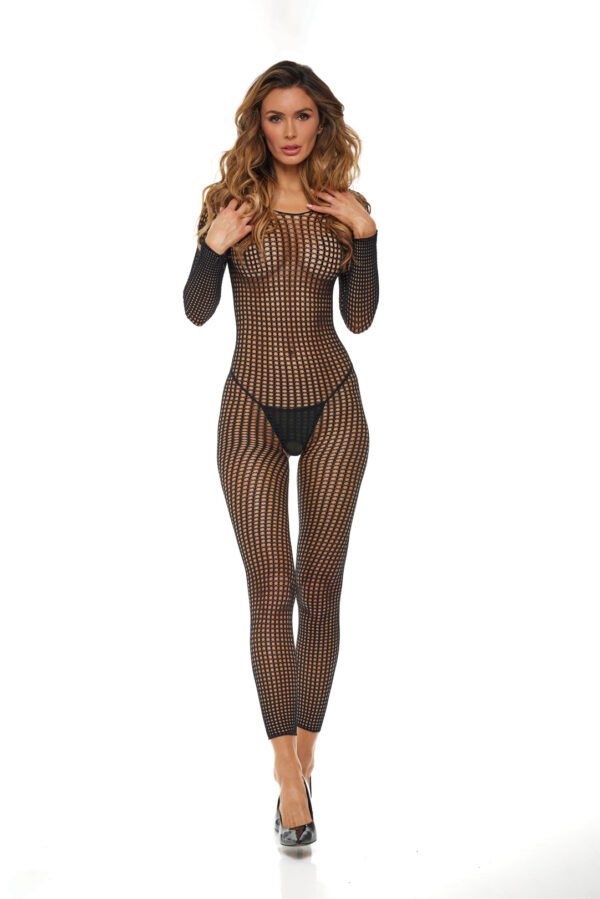
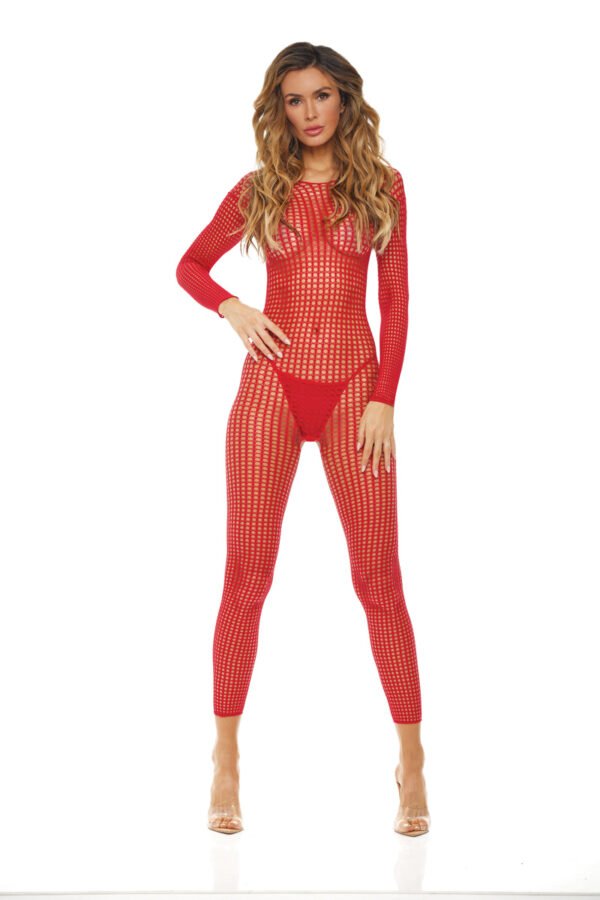
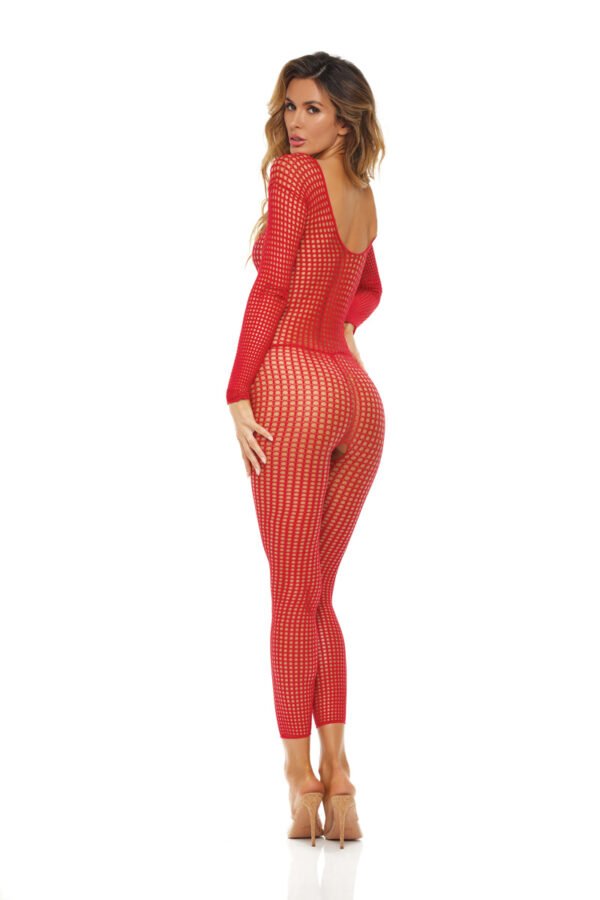
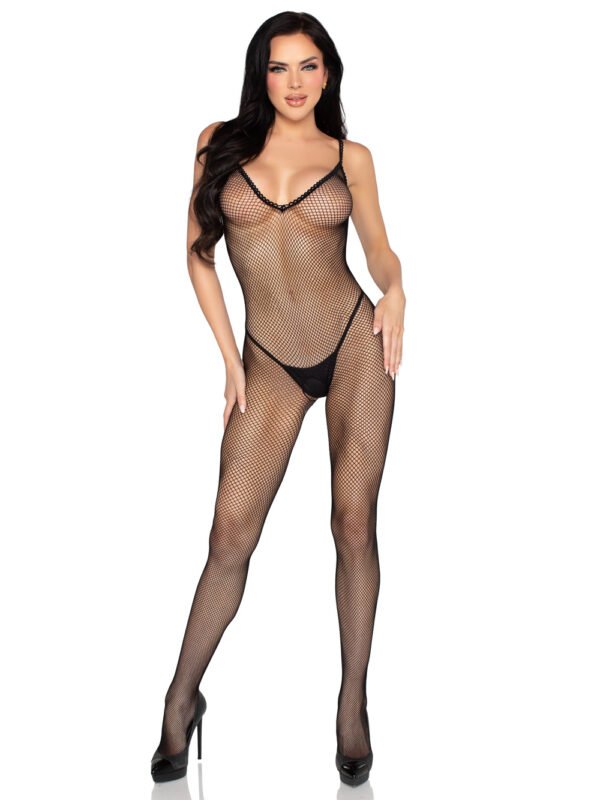
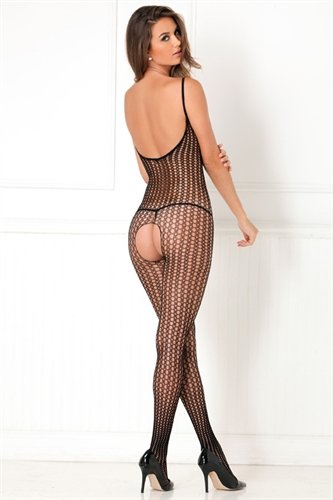
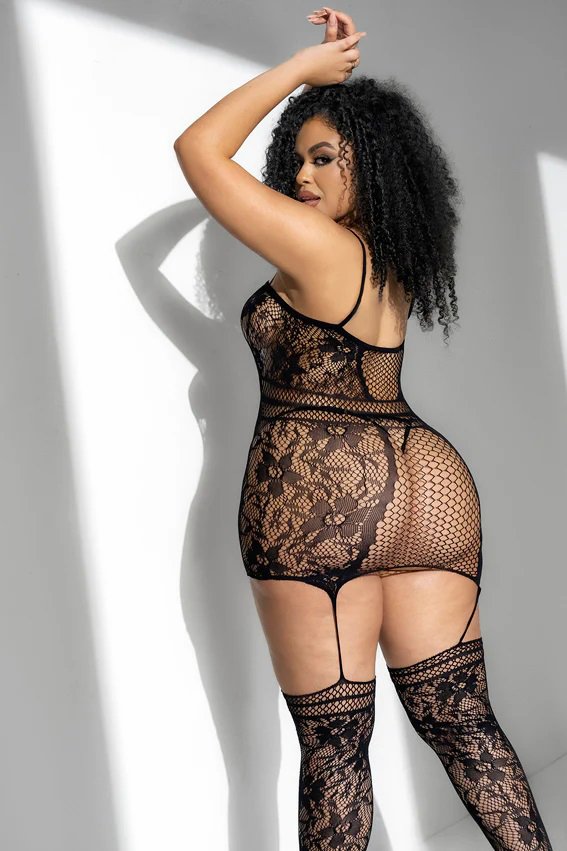
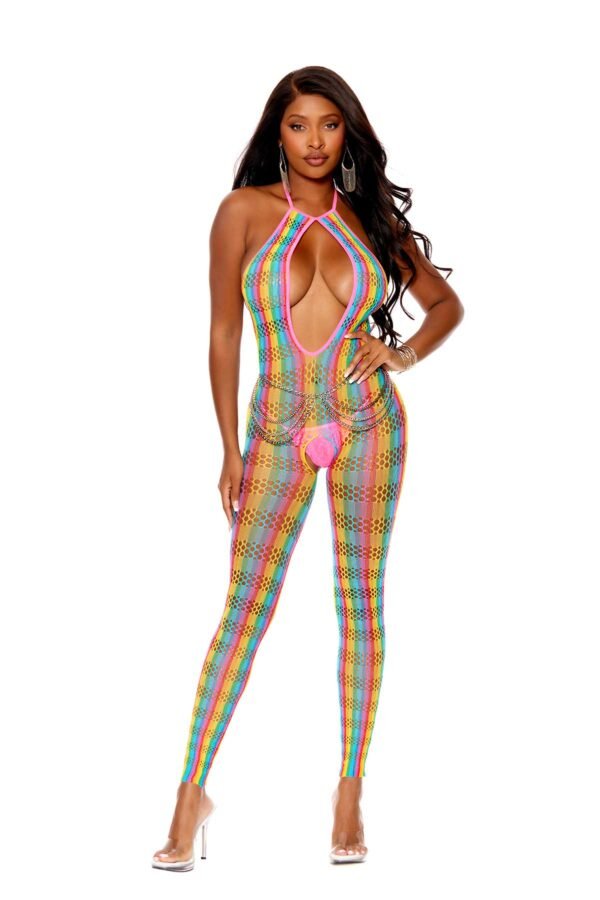
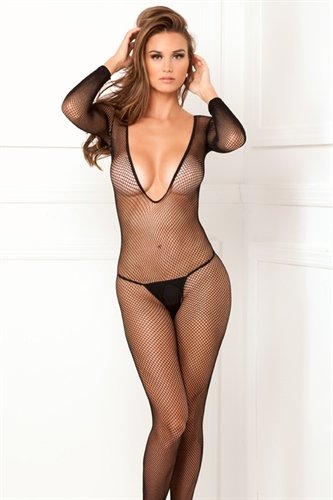
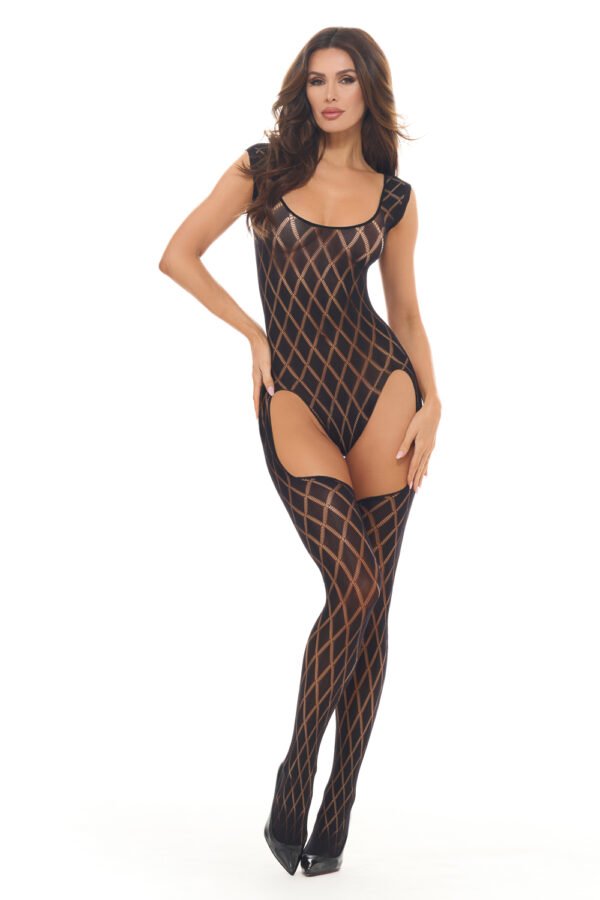
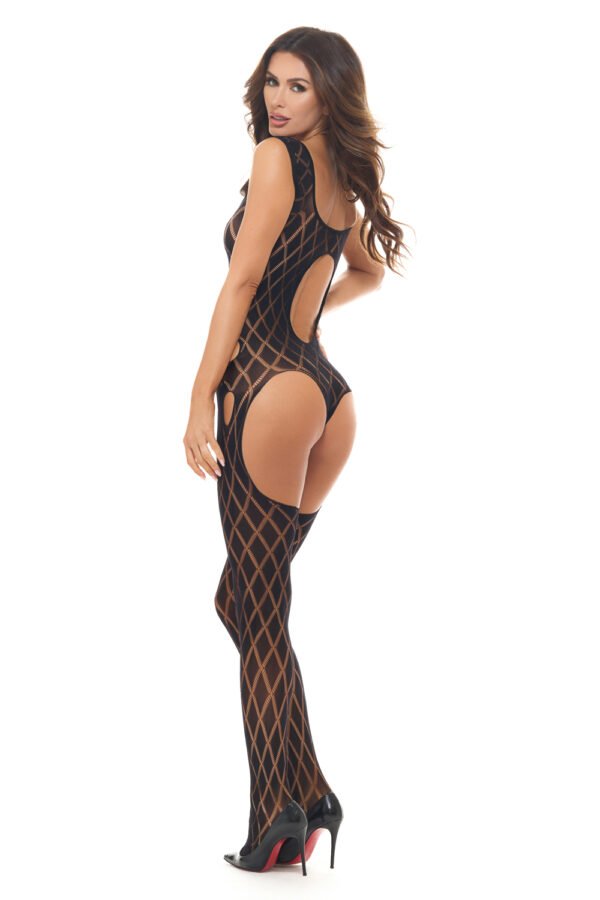
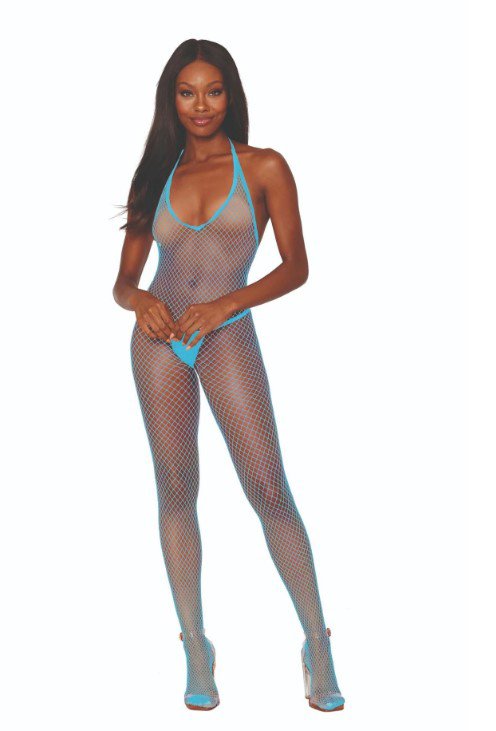
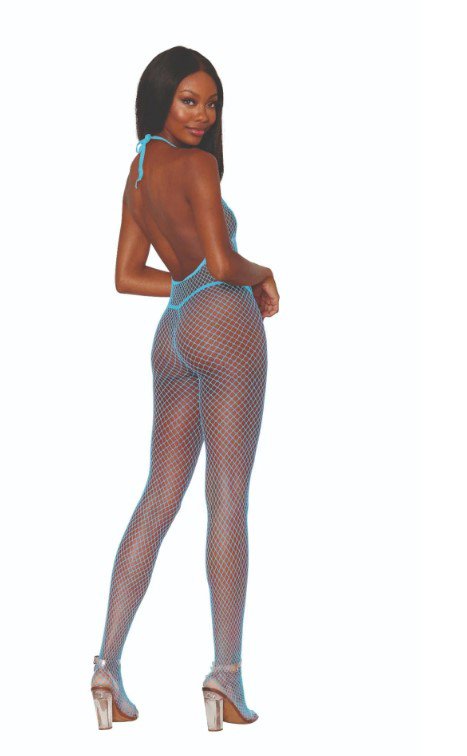
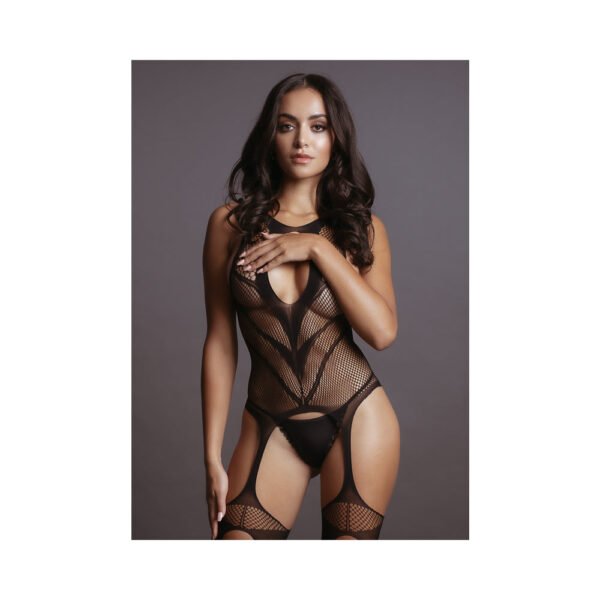
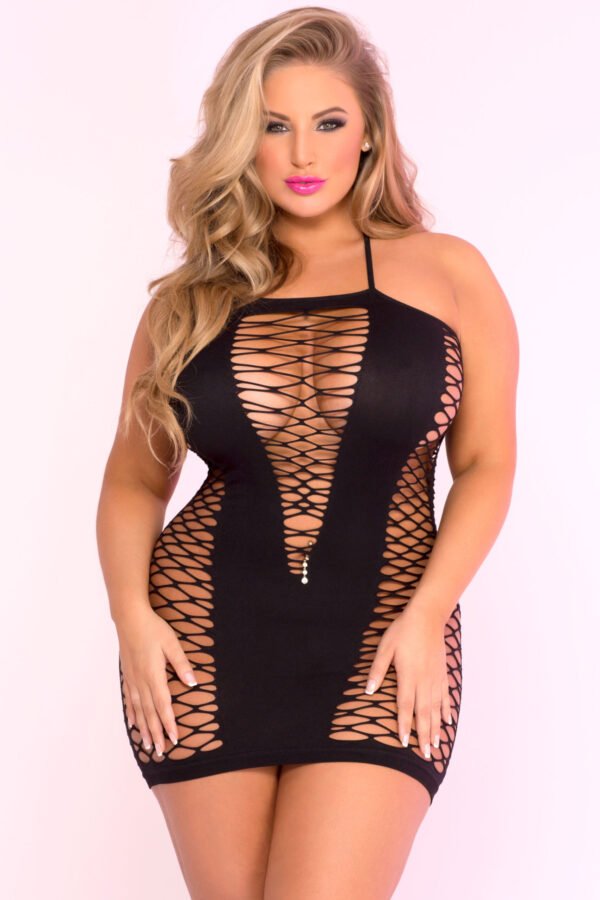
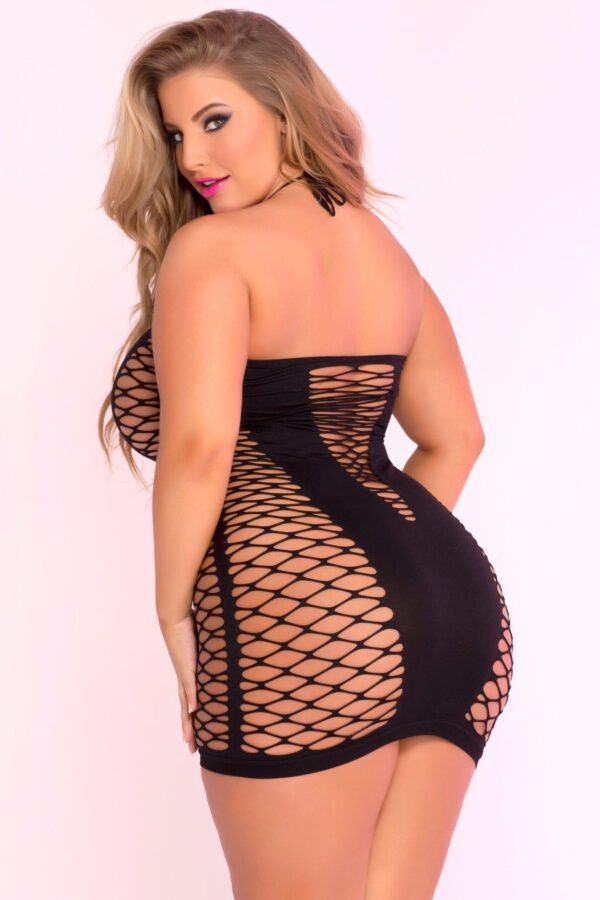
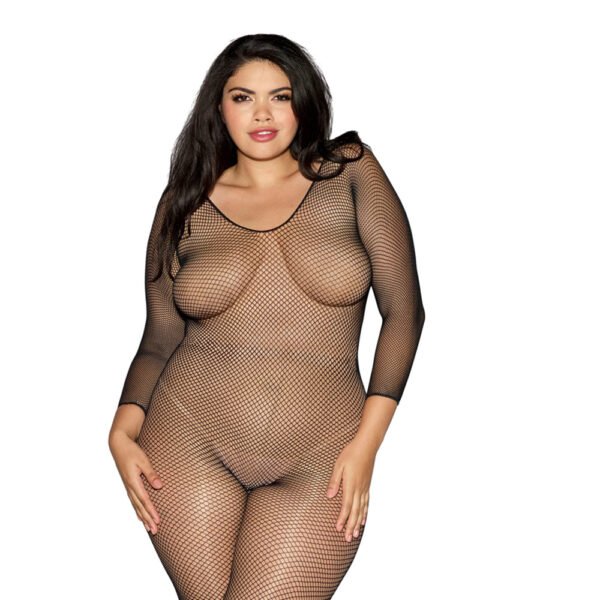
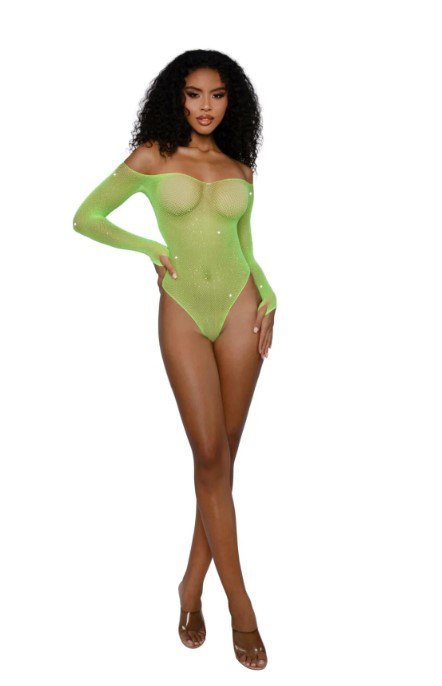
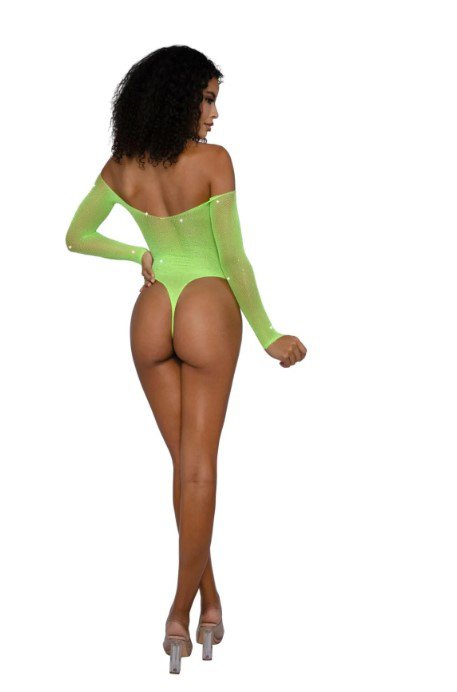
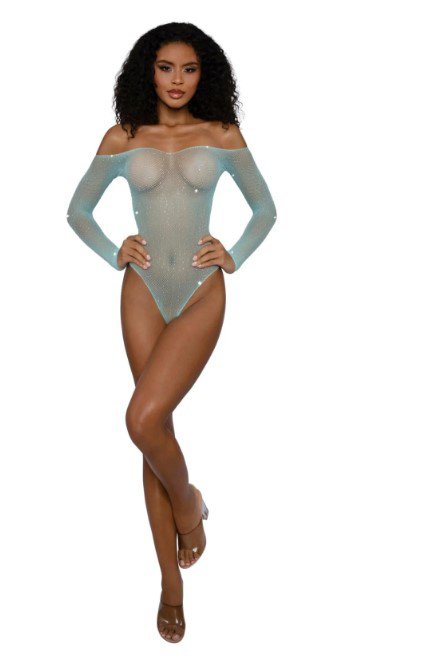
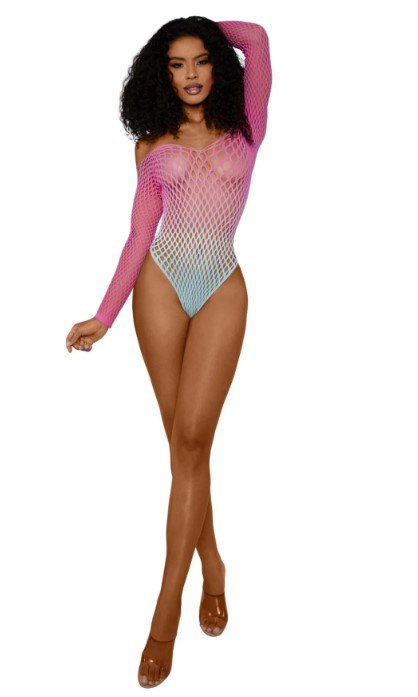
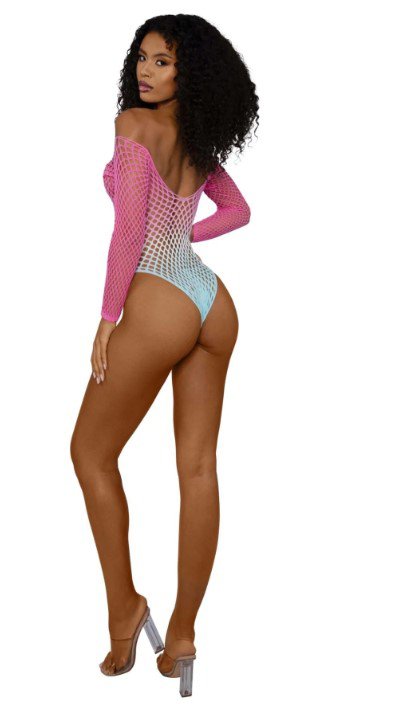
A fishnet bodystocking is built from an open-weave mesh that covers the full body while leaving most of the skin visible through the net. The weave can range from a fine diamond pattern to a wide-hole fence net, and the look reads as bold and graphic rather than soft or romantic. It works well as a statement piece on its own or layered under a sheer dress or skirt for a more editorial effect.
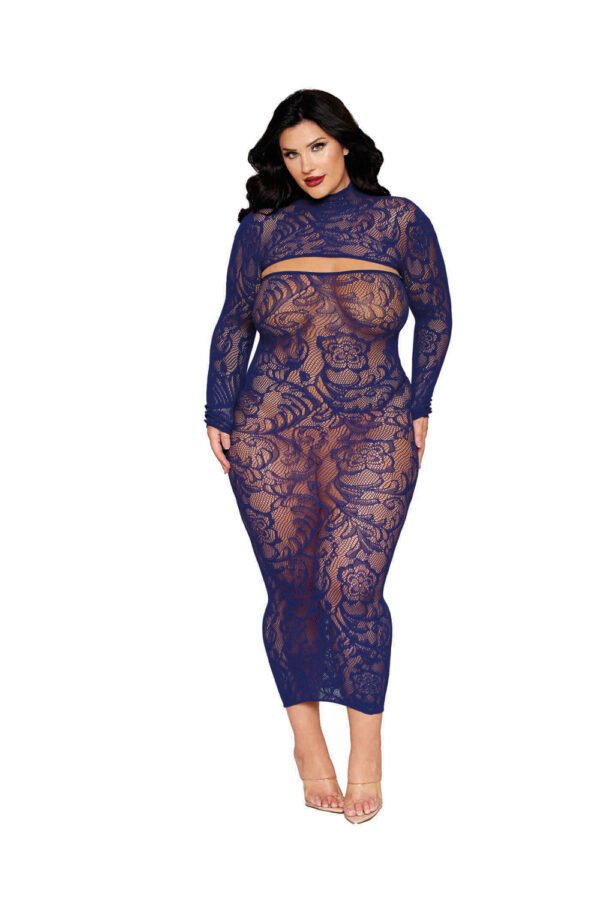
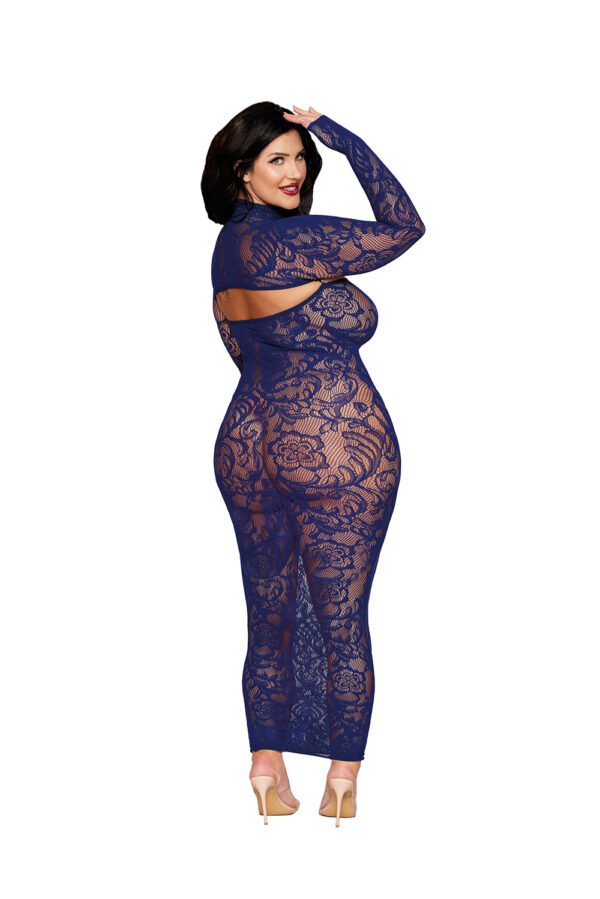
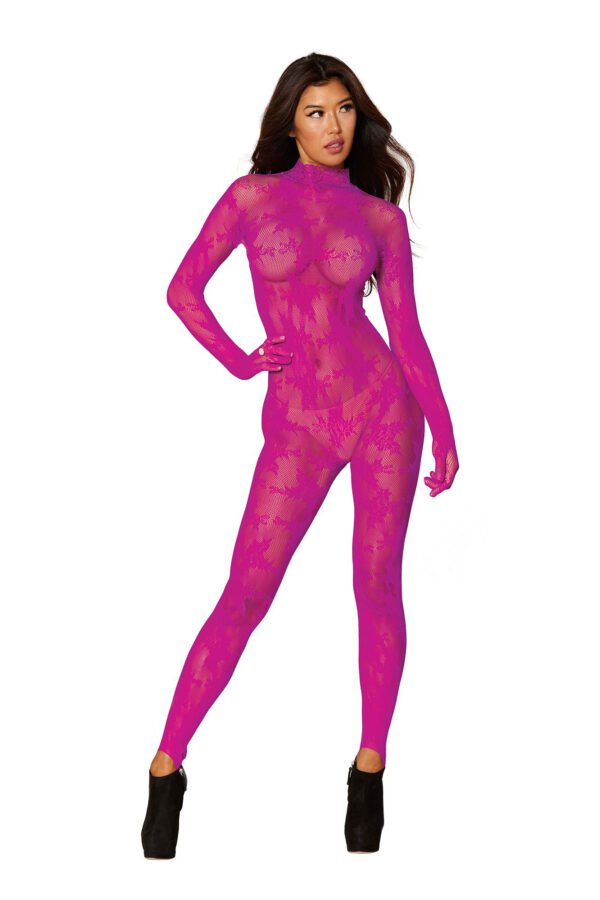
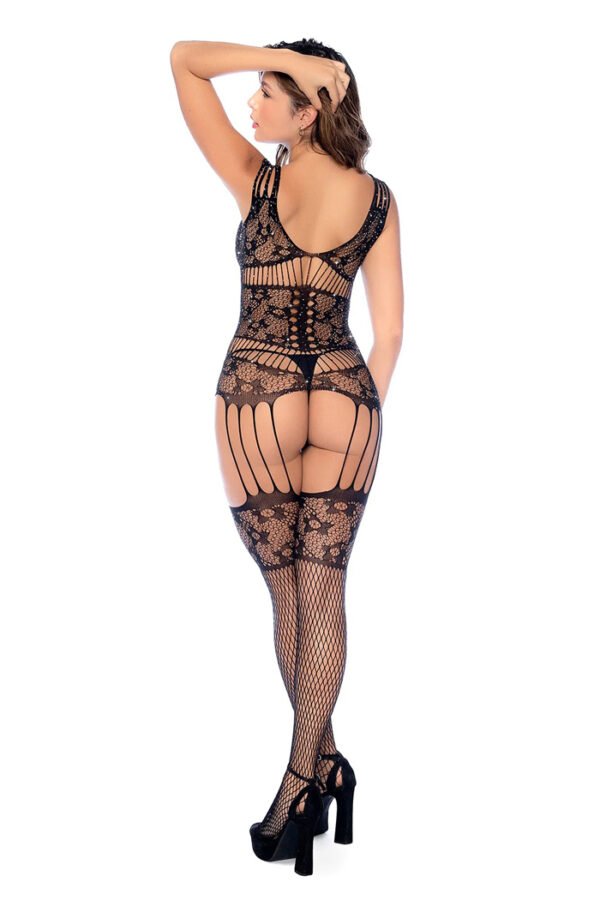
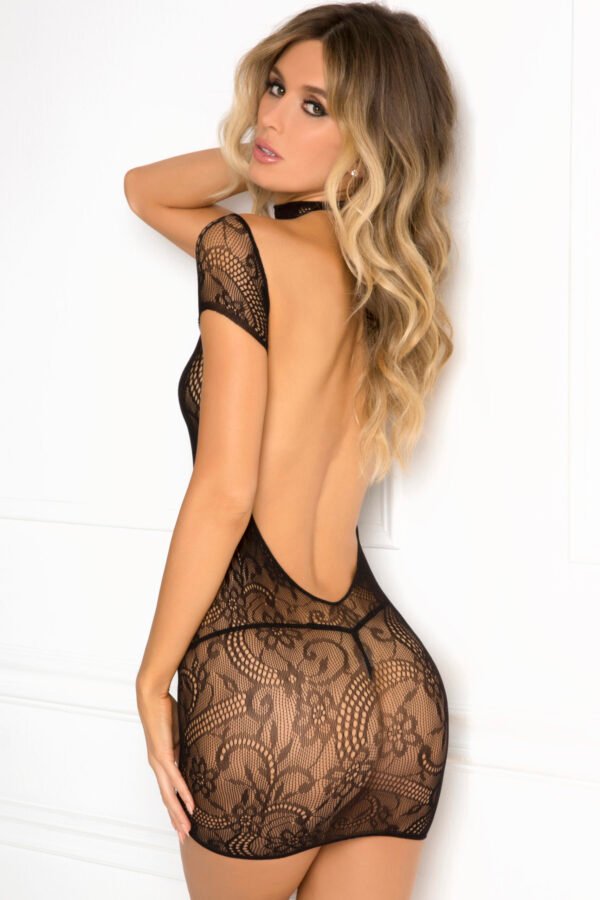
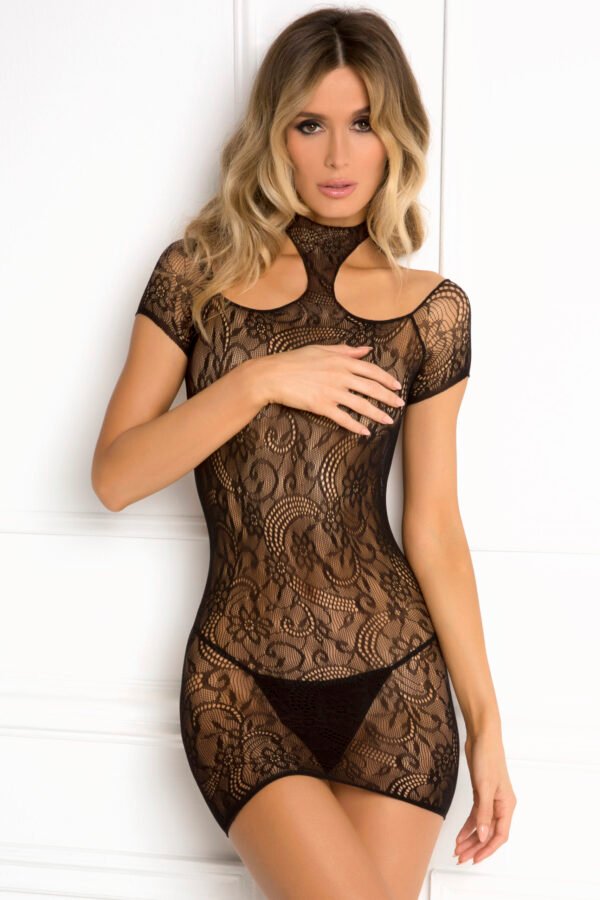
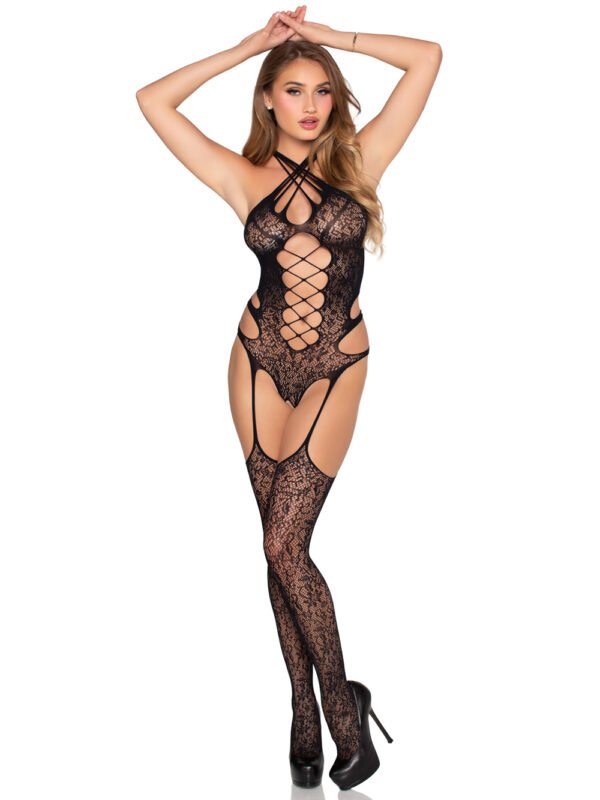
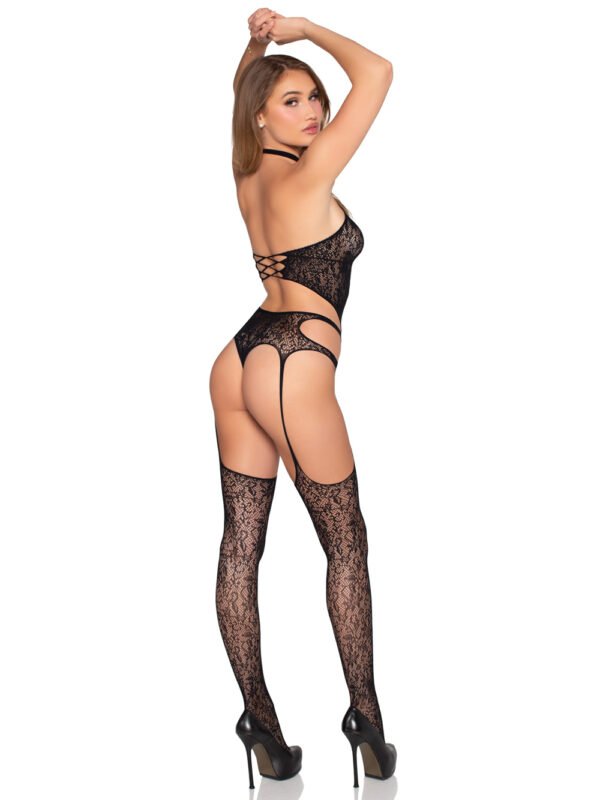
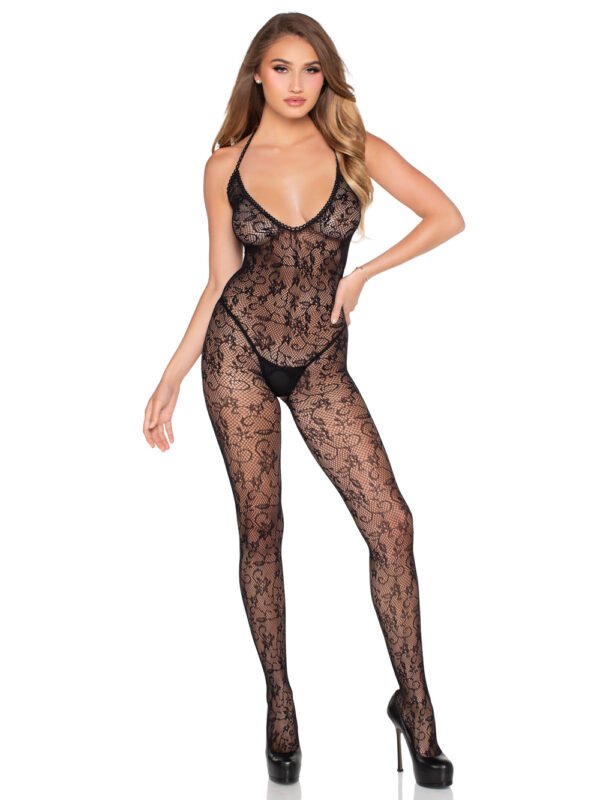
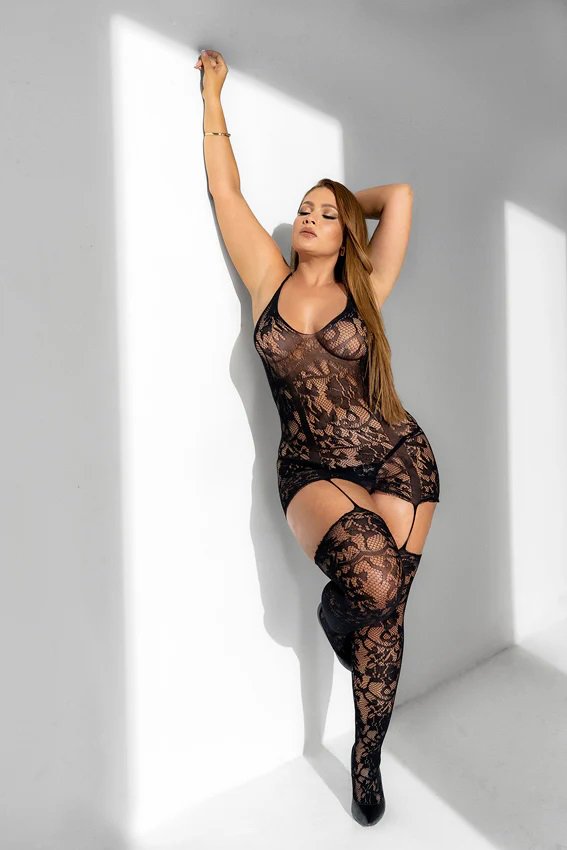
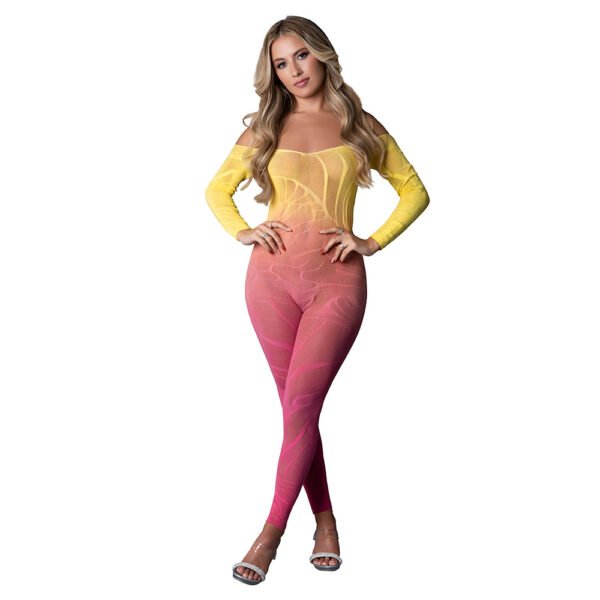
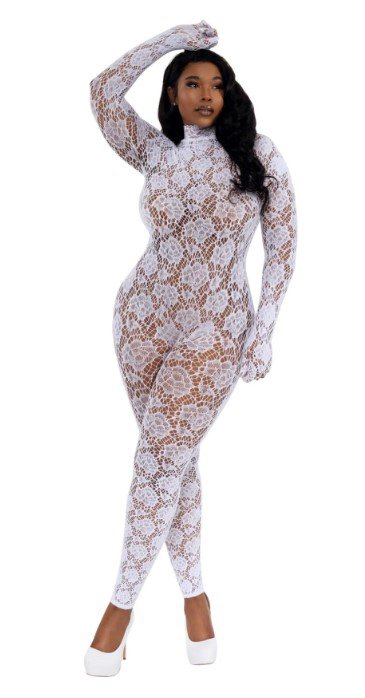
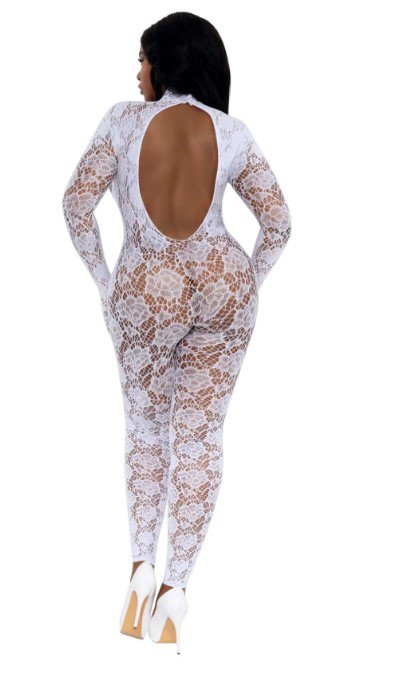
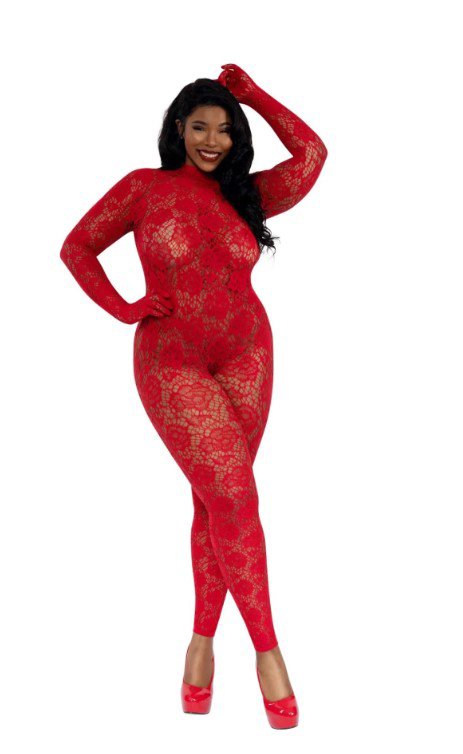
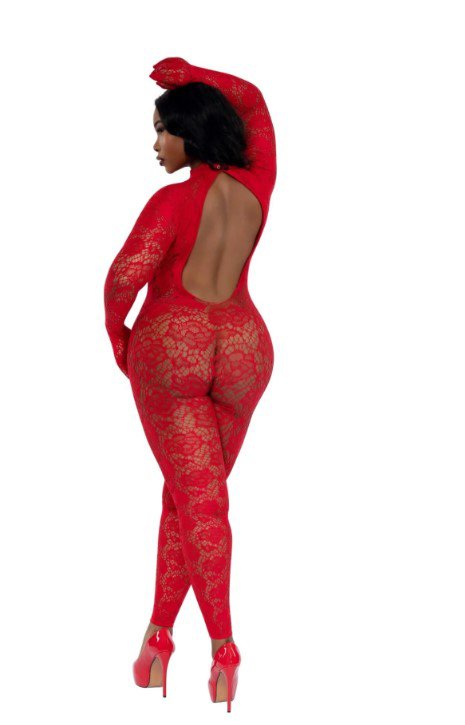
Sheer and lace bodystockings use a finer, closer construction than fishnet, so the fabric lies against the skin rather than sitting away from it. Sheer styles are typically knit from thin nylon and feel almost like a second skin; lace versions use a patterned stretch knit that adds texture and visual detail without bulk. This is the style most people reach for when they want something intimate but still refined, whether for a date night, a boudoir shoot, or wearing under a semi-sheer outfit.
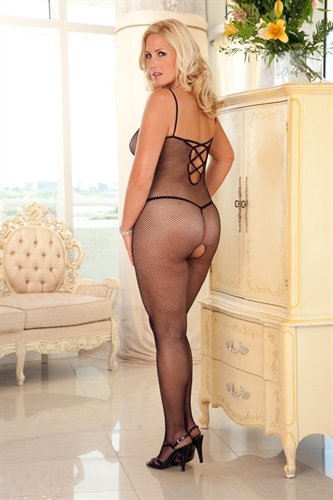
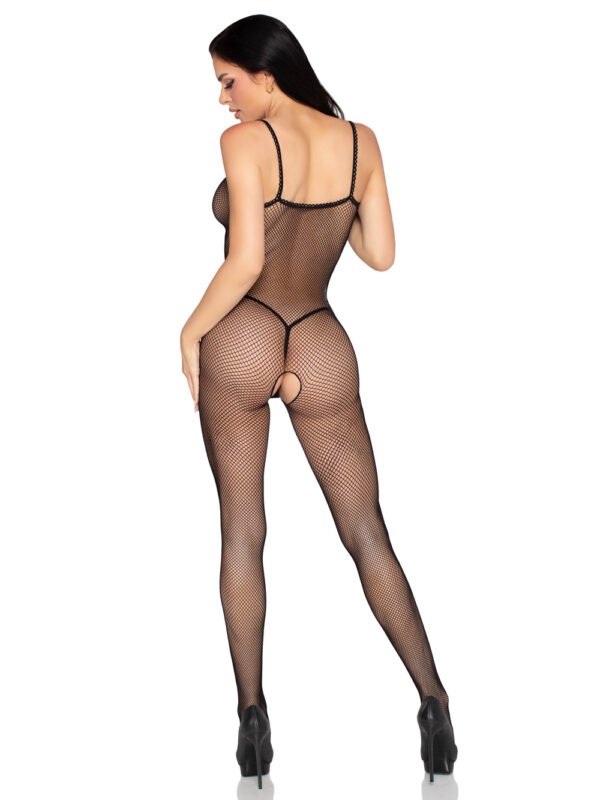
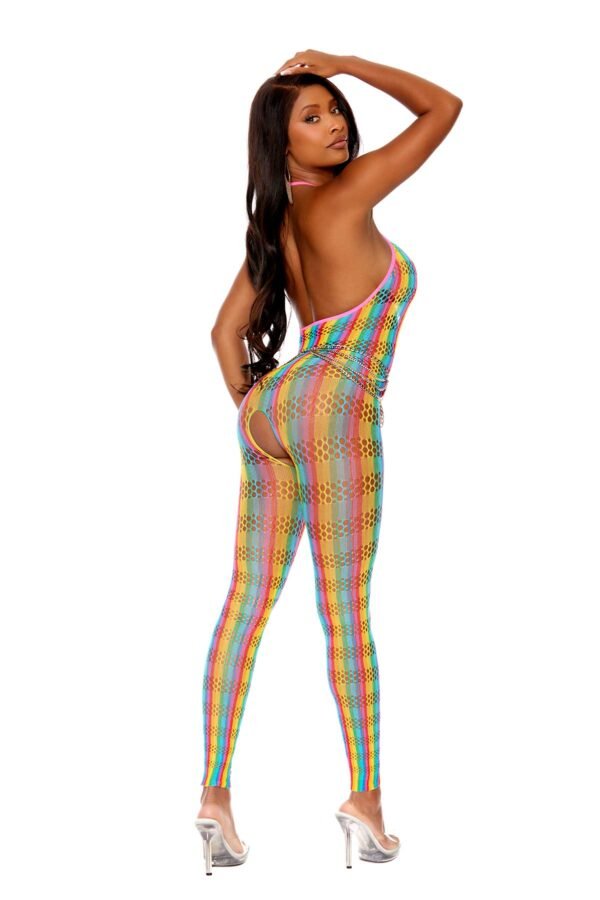
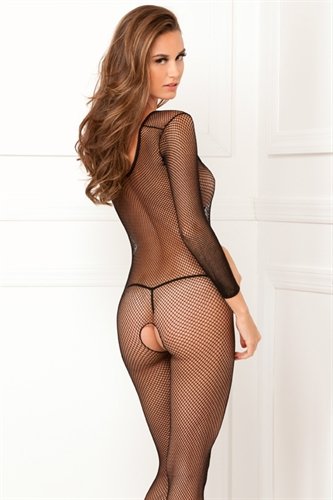
A crotchless bodystocking has the same full-body construction as any other style but with an open panel at the crotch built into the design. The opening is finished, not a raw cut, so it reads as intentional rather than improvised. This style is made for intimate wear with a partner and removes the need to take the garment off entirely.
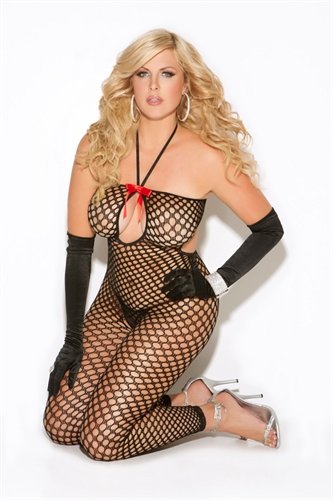
A cupless bodystocking leaves the bust open while covering the torso, hips, and legs in a continuous piece. The cutout is structured into the garment, often framed by straps or a halter neckline, so the overall silhouette still feels cohesive. It suits anyone who wants full-body coverage and shape without the constraint of a built-in bra cup.
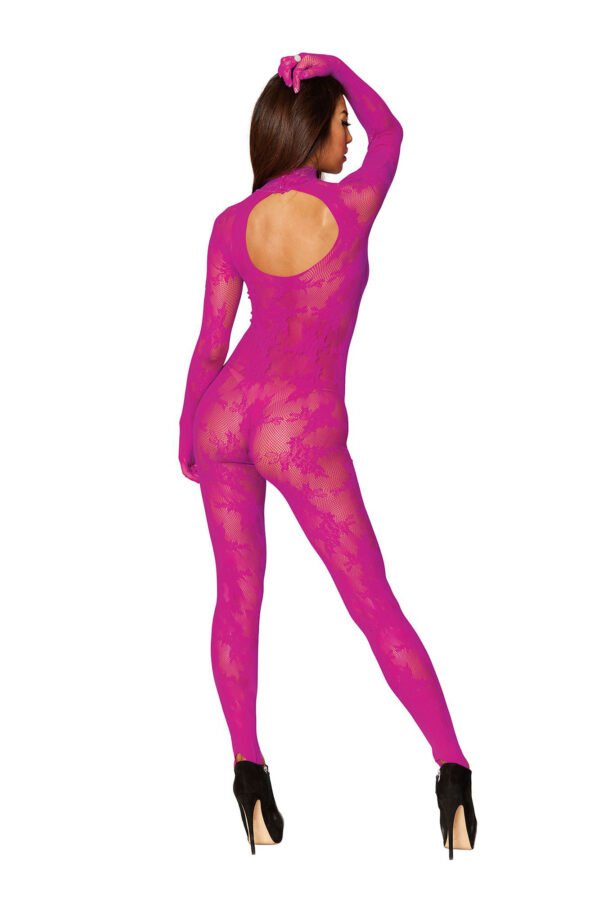
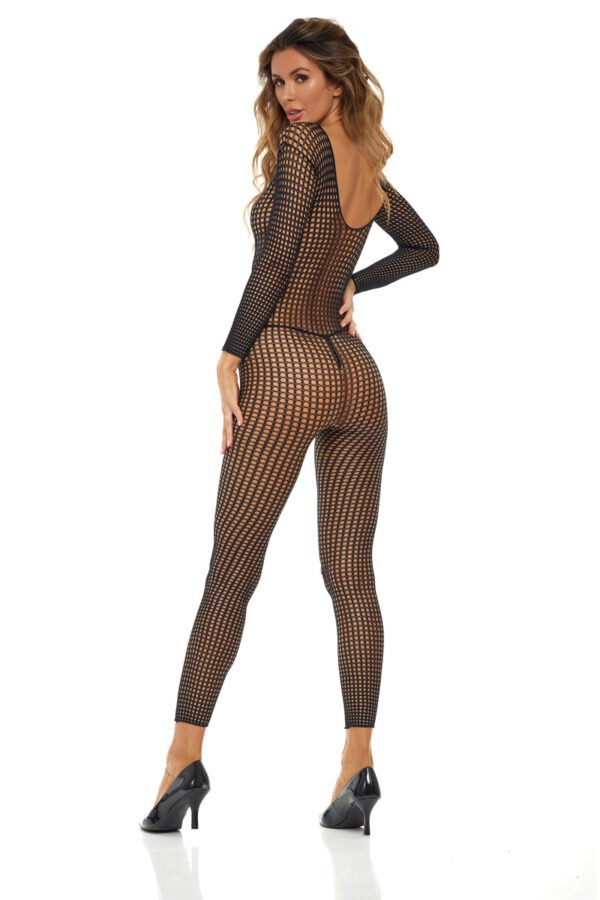
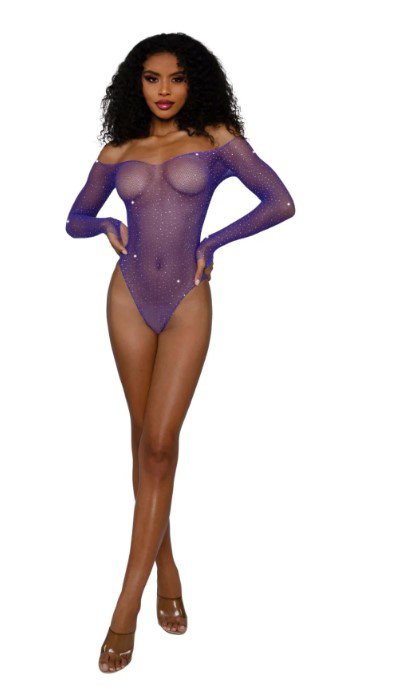
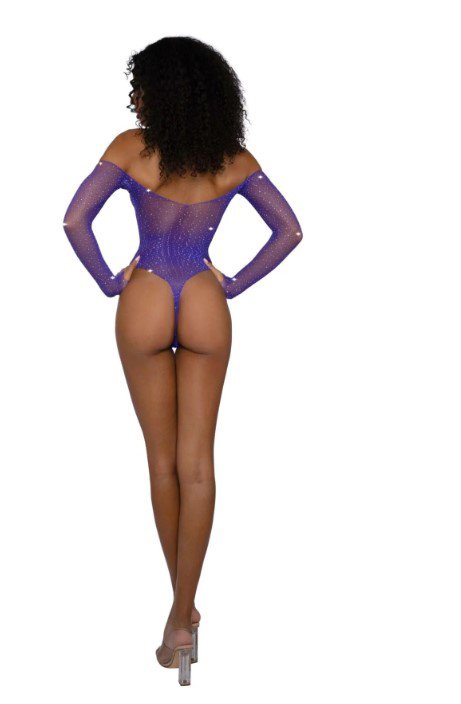
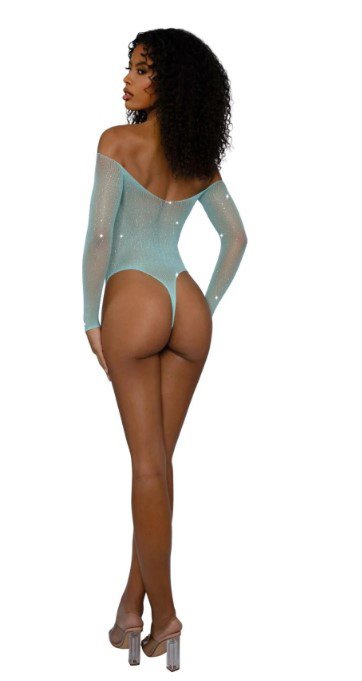
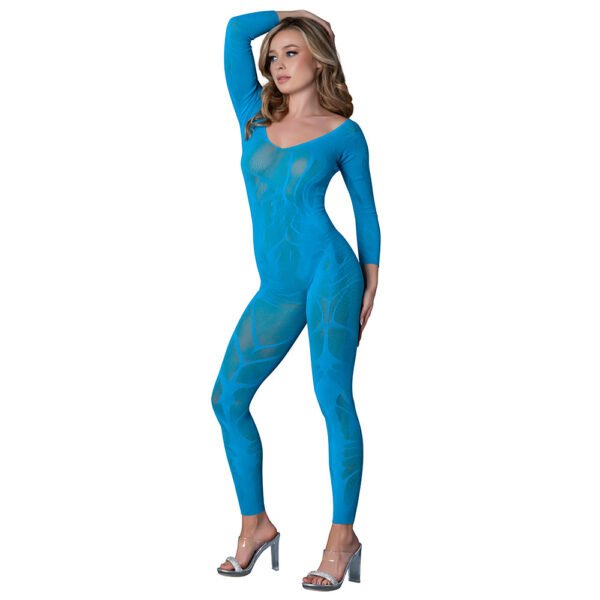
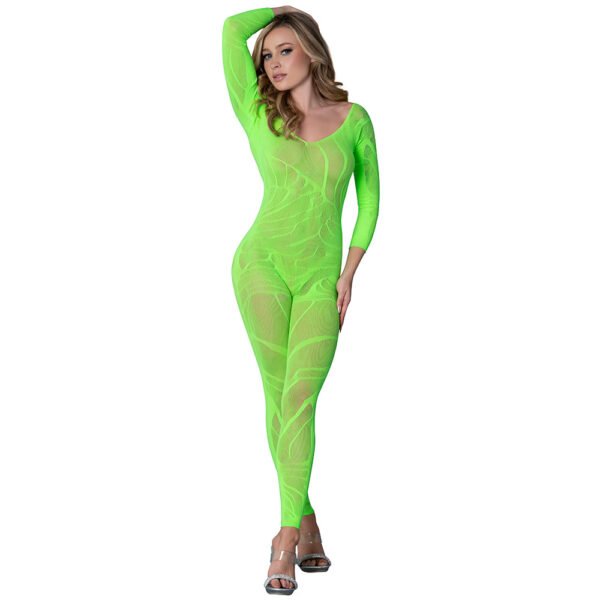
A long-sleeve bodystocking extends coverage to the wrists, creating a head-to-toe layer that reads as more dramatic and enveloping than shorter styles. The fabric is typically seamless mesh or a fine stretch knit, so the weight stays light even with the added coverage. This style works especially well as a layering piece under a sheer or open-weave outer garment, and it also makes a strong standalone look for costume styling or sexy costumes and roleplay.
The right bodystocking comes down to a few clear decisions: what you want it to feel like against your skin, how much coverage you want, and what you plan to do in it. Getting those three things right makes everything else easy.
Beyond fit, the choices that actually shape your experience are fabric, opacity, construction, and closure. Here is what to weigh before you pick.
Bodystockings are one of those rare pieces that genuinely shift depending on what you need from them, so the collections below are organized around how you actually plan to wear one.
Bodystockings made from nylon, spandex, or stretch lace last much longer when you hand wash them in cool water with a gentle detergent. Fill a basin, submerge the garment, and squeeze the water through gently rather than wringing or twisting. Rubbing the fabric against itself is the fastest way to cause snags or distort the weave, so keep the motion soft and even.
After rinsing, press the bodystocking flat between two clean towels to remove excess water, then lay it flat on a dry surface to air dry. Hanging a wet bodystocking stretches the fabric under its own weight and can permanently change the shape. Once dry, fold it loosely rather than rolling it tight, and store it away from anything with sharp edges or rough textures that could catch the mesh.
A sheer or fishnet bodystocking works as a standalone intimate piece, but it also layers well under a loose dress or open skirt for a look that reads as intentional rather than accidental. The key is proportion: a fine-mesh or sheer bodystocking under a flowing silhouette adds texture without competing with the outer layer. A bolder open-weave style tends to work better worn on its own, where the pattern can actually be seen.
For costume or editorial styling, a full-coverage bodystocking functions as a base layer that unifies the look from neck to ankle. Footless styles are the most practical here since they work with any shoe. If you are layering under clothing, choose a seamless or low-profile construction so the outline stays smooth beneath the fabric above it.
Putting on a bodystocking without snagging it comes down to preparation and patience. Remove rings, bracelets, and any jewelry with sharp settings before you start, and trim or file any rough edges on your nails. Fishnet and open-weave styles catch most easily, so they need the most care; seamless mesh and tighter-knit nylon constructions are generally more forgiving.
Start at the feet and ease the fabric up gradually, gathering small sections rather than pulling from the top. Work in short movements, redistributing the stretch evenly as you go so no single area takes the full tension. Never force the fabric past a point of resistance; if it feels stuck, ease back and readjust the gather. Sitting down while you pull the bodystocking up over your hips gives you more control and reduces the risk of an accidental tear from an awkward angle.
Yes, color and opacity interact in ways that are easy to underestimate. Black bodystockings tend to read as more defined and graphic against the skin, while nude and pale tones can disappear or blend depending on your skin tone, sometimes making the garment look nearly invisible. If you want the pattern or texture of the fabric to show clearly, a color with contrast to your skin will do that better than a close match.
A sheer or fishnet bodystocking works well under a loose sheer dress or an open-knit top, adding texture and visual interest without bulk. The seamless construction on many styles means there are no visible lines under fitted clothing. That said, open-weave designs like diamond net or fence net are best suited to layering under pieces with enough coverage to frame them rather than obscure them entirely.
There is, and it matters. One size fits most is not a universal standard: one brand’s one-size may comfortably fit up to a US size 14, while another cuts closer to a US size 10. The spandex content also plays a role, since a higher elastane percentage generally means more stretch and a wider actual fit range. Always check the weight or measurement range listed in the product details rather than relying on the size label alone.
Most bodystockings are made from nylon and spandex blends, which are generally smooth and non-abrasive against skin. Seamless constructions are the better choice for sensitive skin because they eliminate the raised seam lines that can cause friction or irritation during extended wear. If you know your skin reacts to synthetic fabrics, a tighter-knit mesh or microfiber-style finish will typically cause less irritation than an open-weave fishnet.
Every order from Claim Night ships in plain, unmarked packaging with no indication of the contents on the outside. Your billing statement will show “XR. LLC” rather than any store or product name. We do not sell or share your personal data.
Some bodystockings are sold as a single piece, while others come paired with a matching item such as a G-string, a separate panty, or gloves. The secondary piece is usually designed to complement the main garment in fabric and color rather than replace any function of the bodystocking itself. Check the product description to confirm what is included, since the packaging image does not always make the count obvious.
Rhinestones and decorative trim on stretch lingerie are generally glued or heat-set rather than sewn, which means they are more vulnerable to heat, friction, and agitation than the base fabric. Hand washing and laying flat to dry will extend the life of any embellishment significantly. Expect some loss of stones over time with regular wear, particularly on high-stretch areas like the torso and shoulders.
A teddy is a shorter one-piece that ends at the hip or upper thigh, while a bodystocking extends down the full leg, often to the ankle. Bodysuits sold as everyday wear are typically opaque and structured, whereas bodystockings are stretch-knit, sheer or open-weave, and designed specifically for intimate use. If continuous leg coverage is part of what you want from the piece, a bodystocking is the more direct choice.

Helpful guides, product tips, and simple explanations to help you find what feels right.
No account yet?
Create an Account