


Article
Beginner Butt Plug Guide: What a Butt Plug Is, How It Works, and How to Use One Safely05/21/2026

Deals
Bestsellers

+39
Most-Loved Picks
Customer favorites for comfort, care, and everyday pleasure
Shop BestsellersSale · up to 40% off

+891
Soft Savings
Limited-time offers on body-safe essentials and feel-good favorites
View SaleSeasonal edit


+267
Seasonal Comfort Edit
Curated picks for holidays, date nights, gifting, and cozy nights in
Explore the EditFeatured
 Discreet Packaging
  Secure Checkout
  Body-Safe Materials
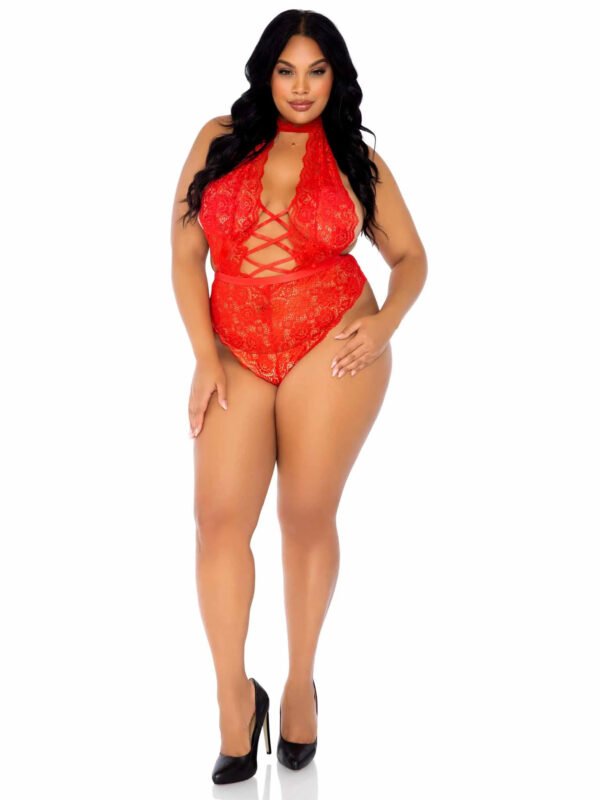
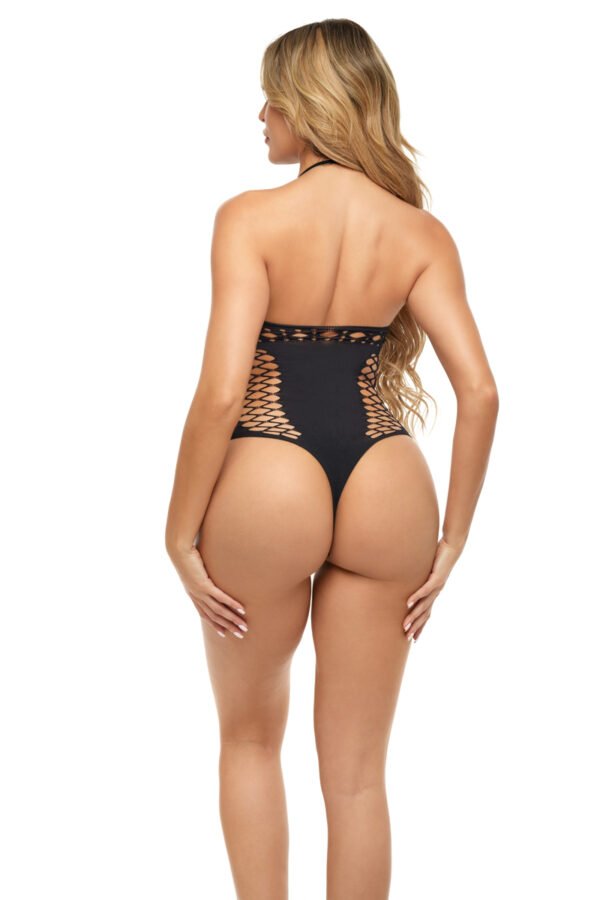
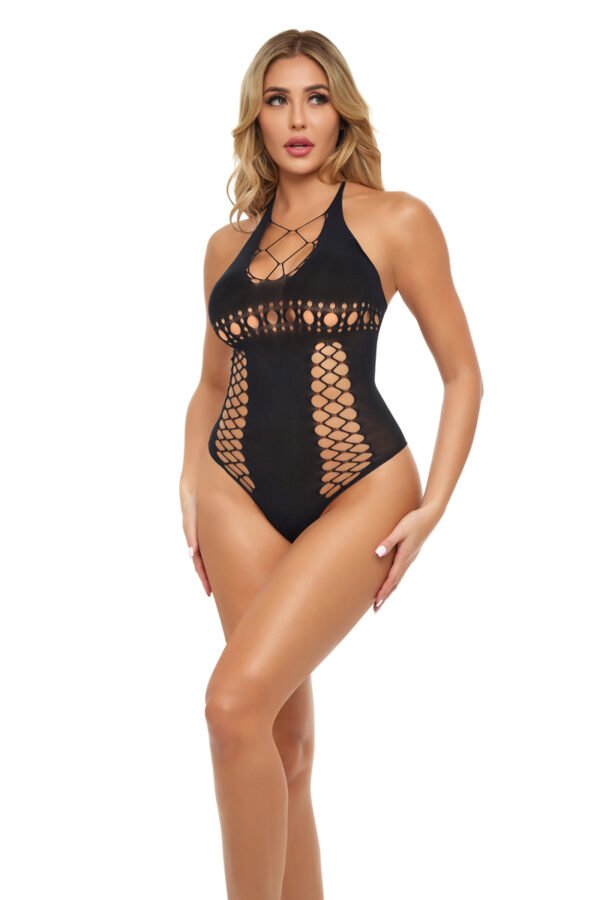
 A bodysuit is a one-piece intimate garment that covers the torso and fastens at the crotch, replacing a separate bra and underwear with a single, streamlined layer. Women wear them for date nights, boudoir shoots, anniversaries, or simply because a one-piece lingerie look is easier to put on and harder to second-guess.
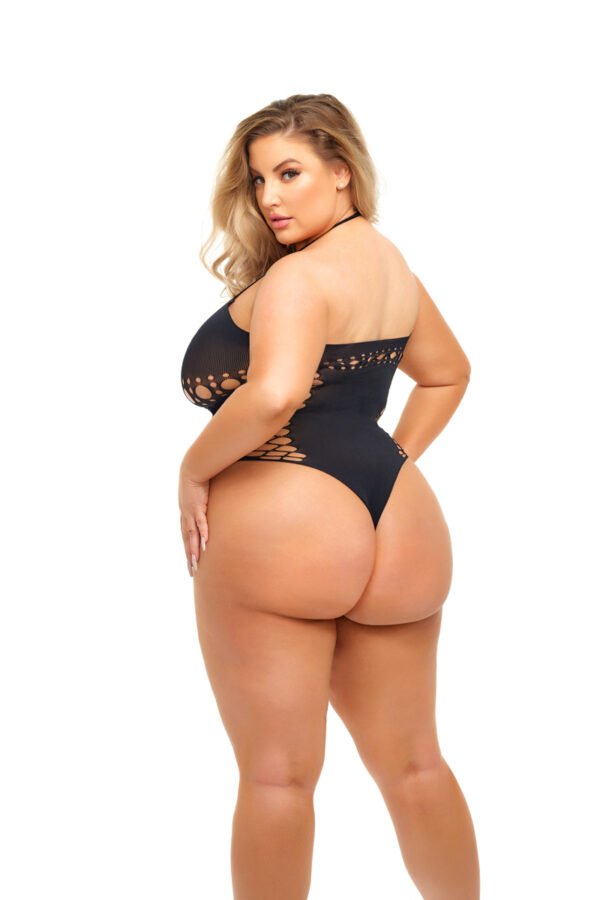
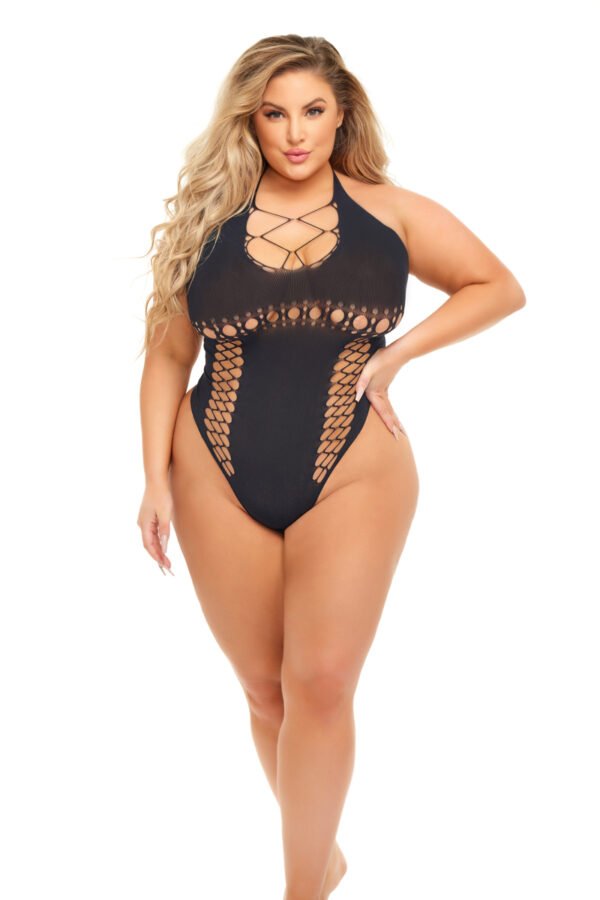
Torso length is the measurement that makes or breaks the fit: measure from shoulder to crotch and compare it against the size chart before ordering. The bodysuit should lie flat against the midsection without pulling at the snap closure or gapping at the bust. Stretch fabrics like nylon-spandex blends give a forgiving range of motion, while satin and structured styles run closer to true size. Claim Night stocks bodysuits across a genuine size range, from XS through Queen, so the right fit is a real option rather than a compromise.
Lingerie bodysuits come in several distinct styles, and the right one depends mostly on the kind of coverage, access, and silhouette someone wants. Here is a clear look at the main types.
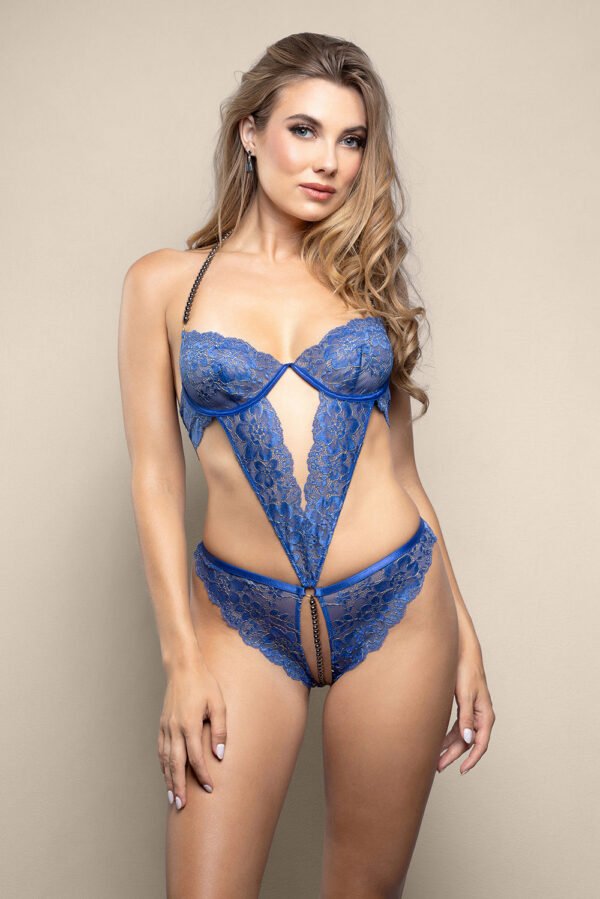
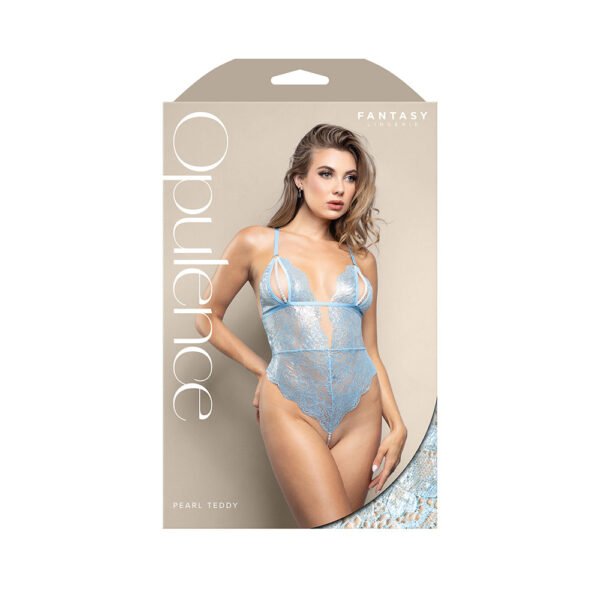
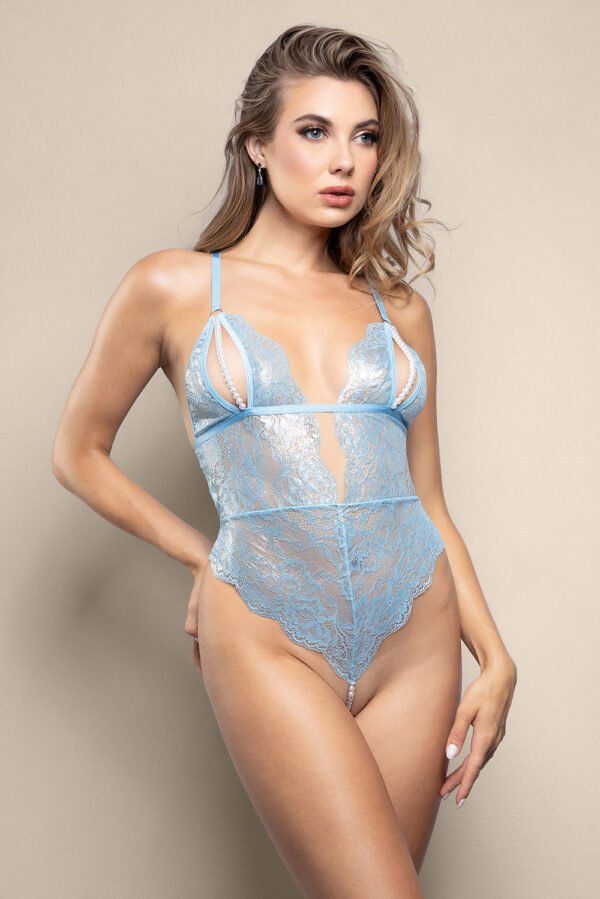
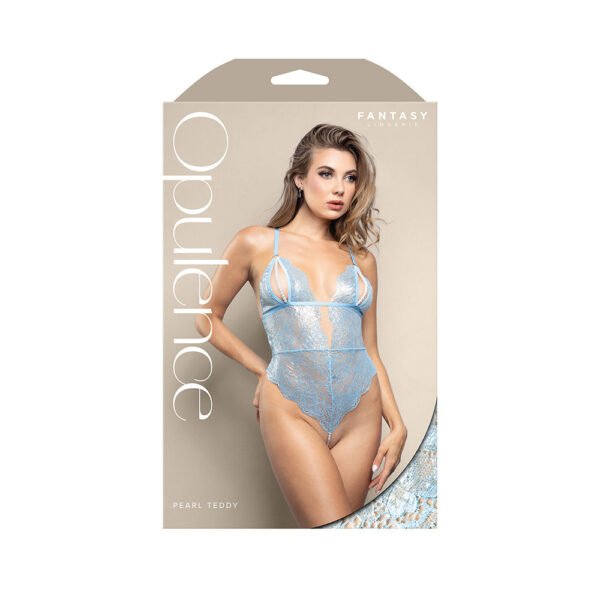
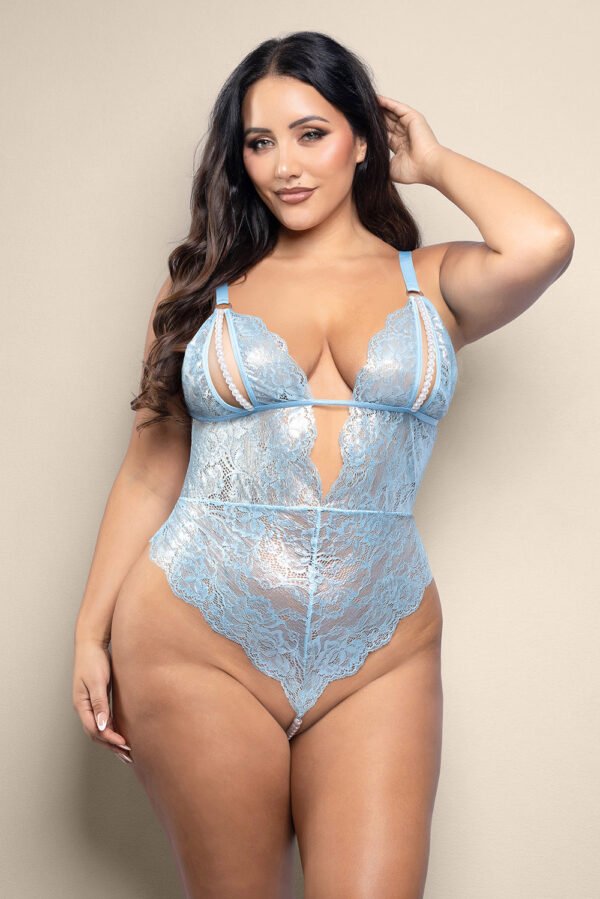
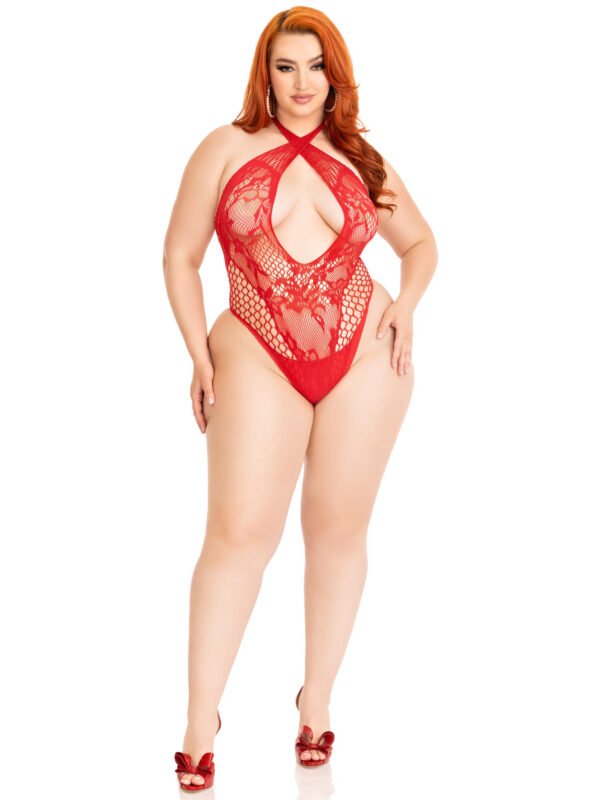
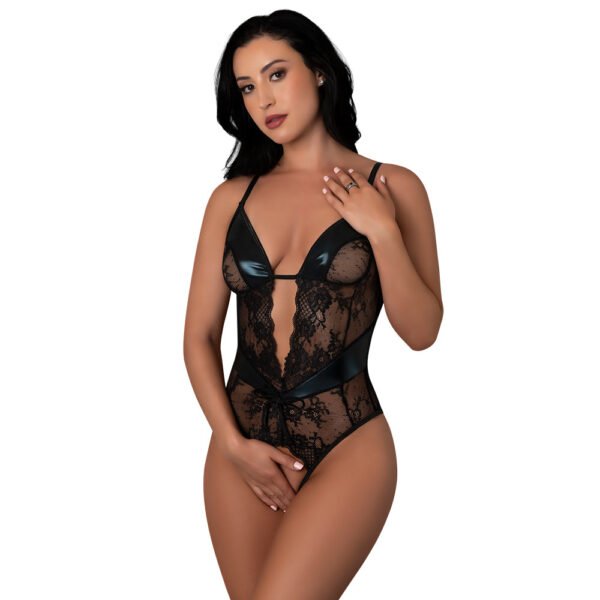
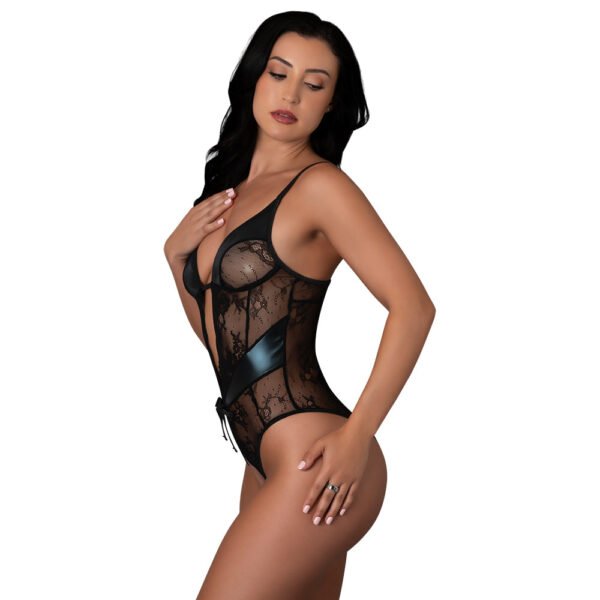
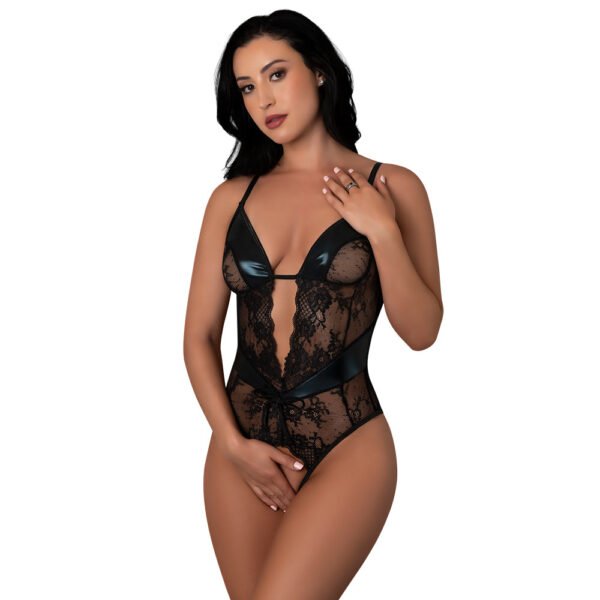
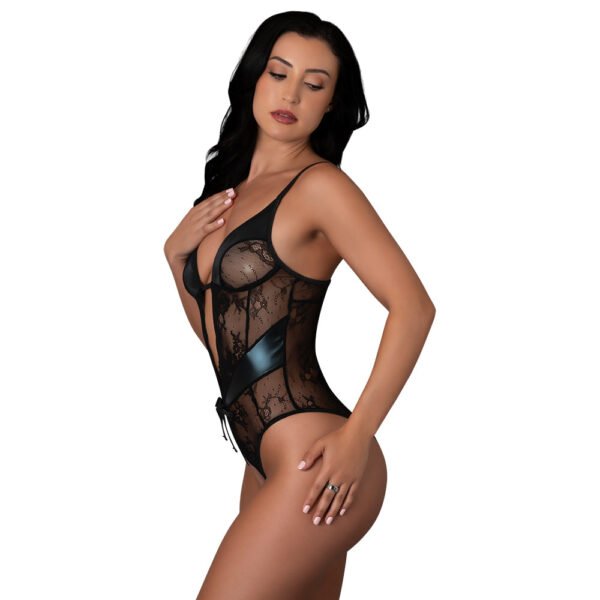
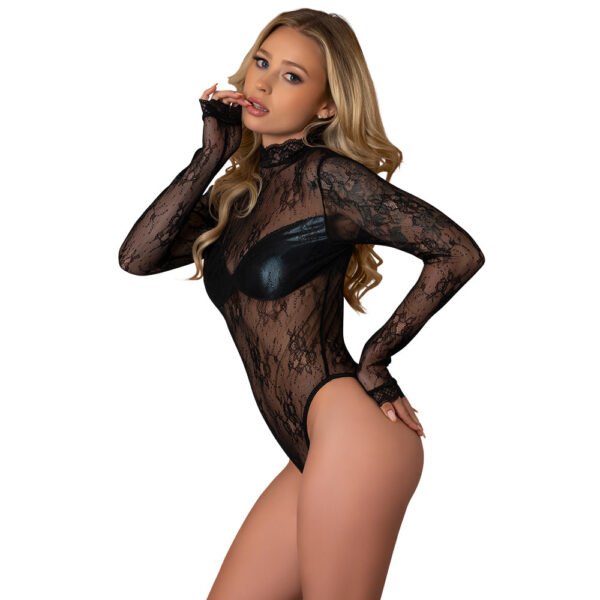
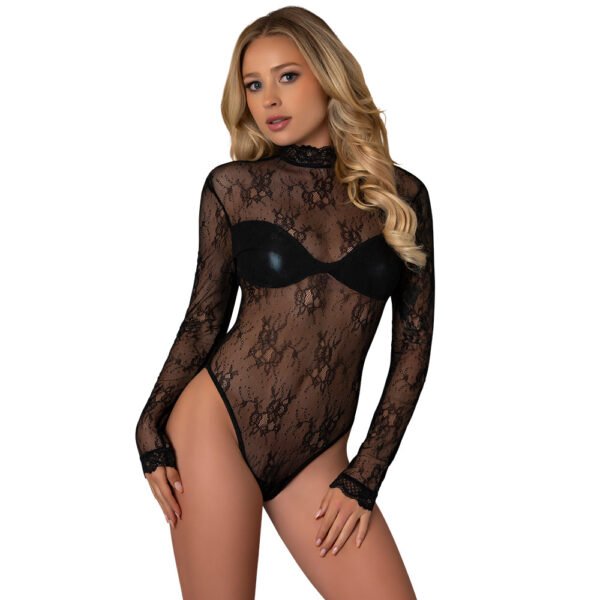
A lace bodysuit is a one-piece lingerie garment constructed from stretch lace, typically with a thong or snap-close bottom and adjustable shoulder straps. The fabric ranges from sheer floral patterns to denser scalloped designs, so the amount of coverage varies quite a bit between styles. It suits anyone who wants a classic intimate look with texture and detail built in.
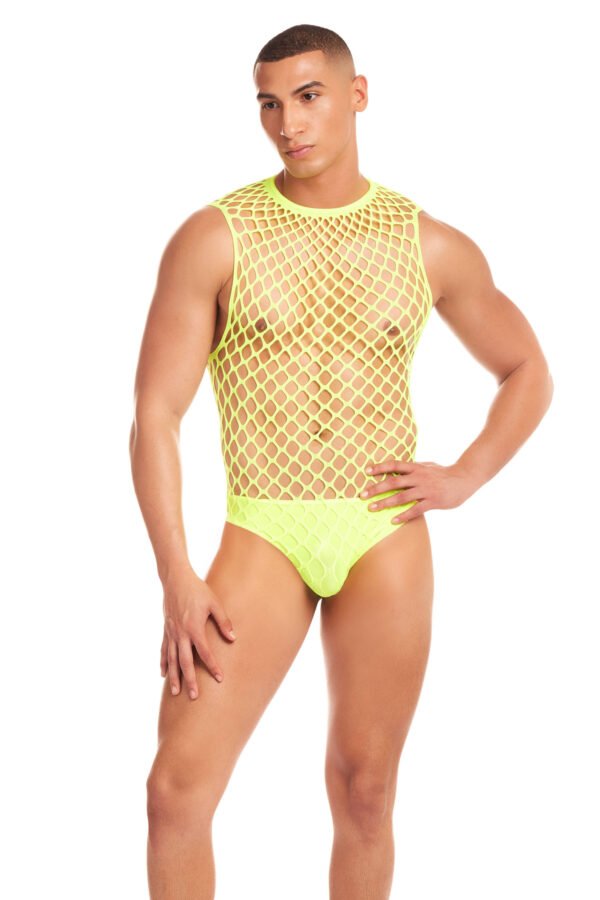
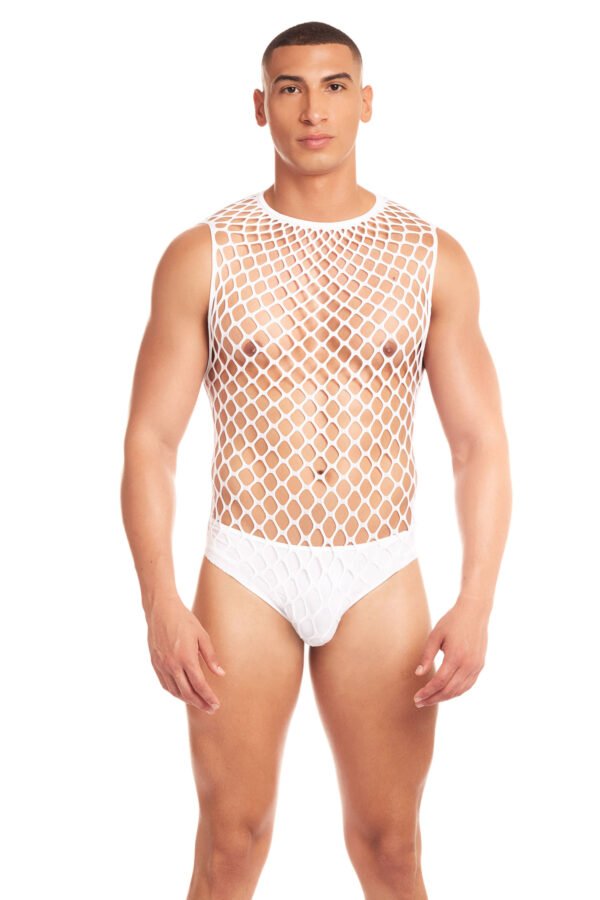
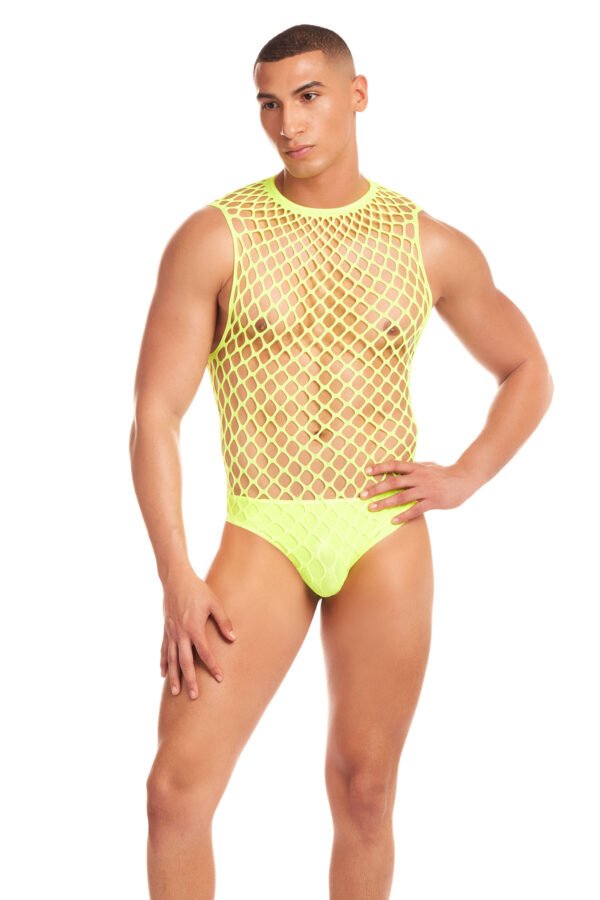
Satin and sheer mesh bodysuits are smooth, close-fitting one-piece styles that rely on fabric sheen or transparency rather than lace pattern for their effect. Satin versions tend to feel cool and substantial against the skin, while sheer mesh styles offer a barely-there look with full-body coverage in outline. Both work well as a polished, streamlined option for date night or as a gift.
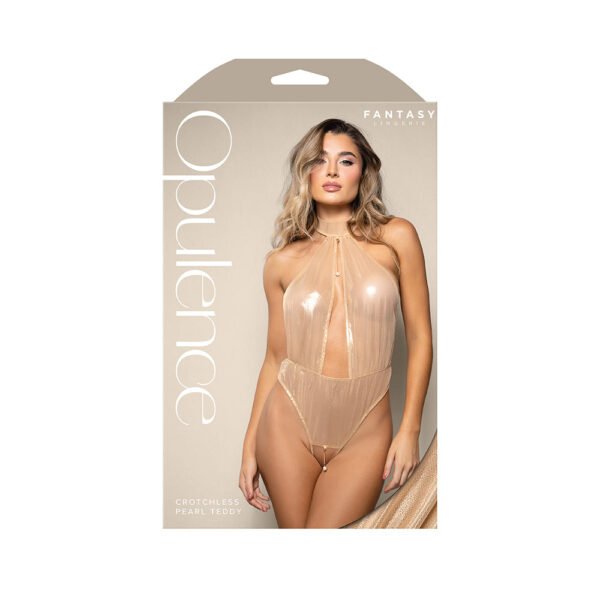
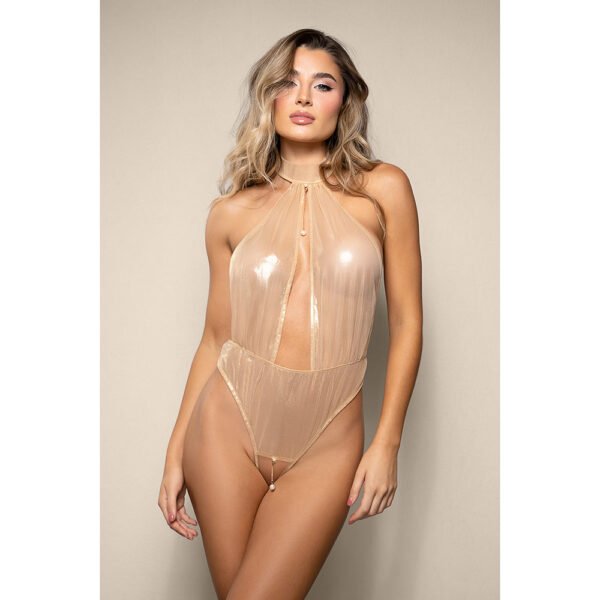
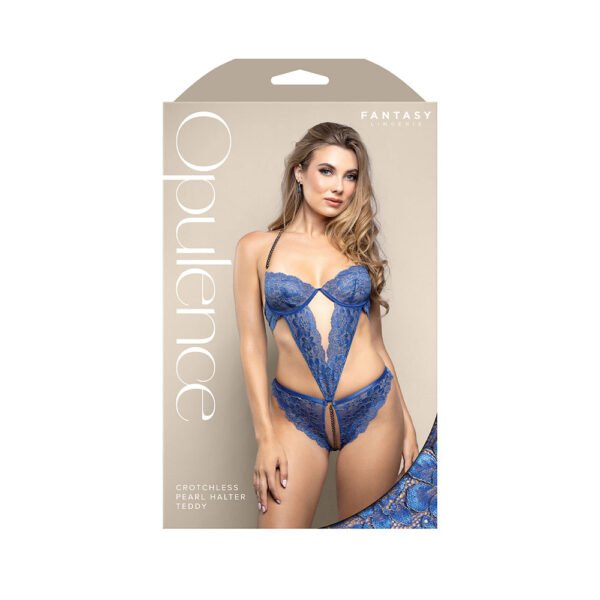
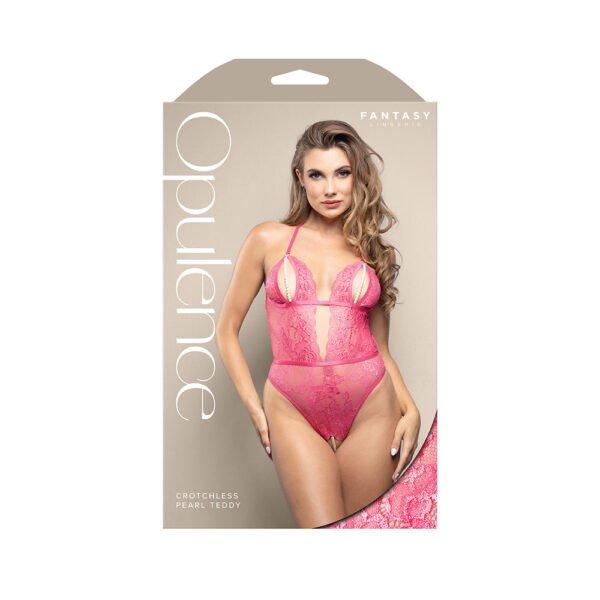
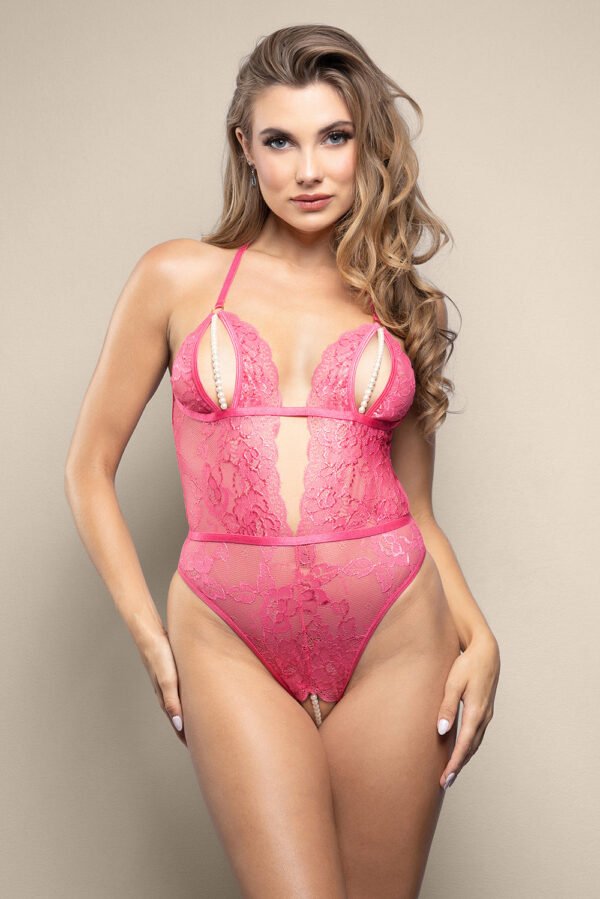
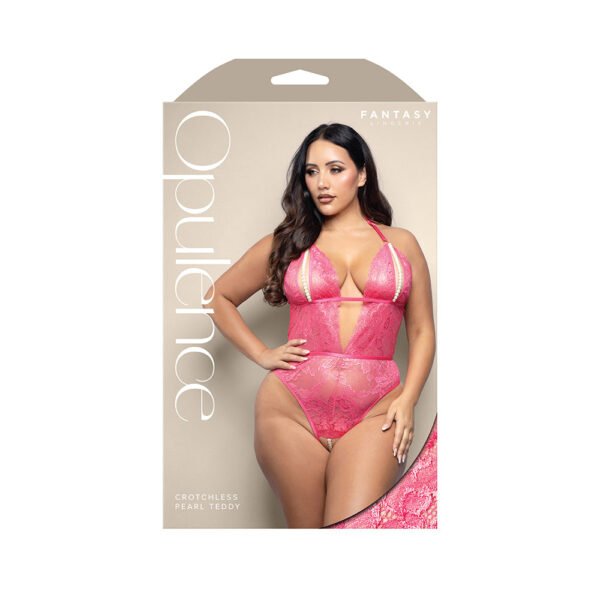
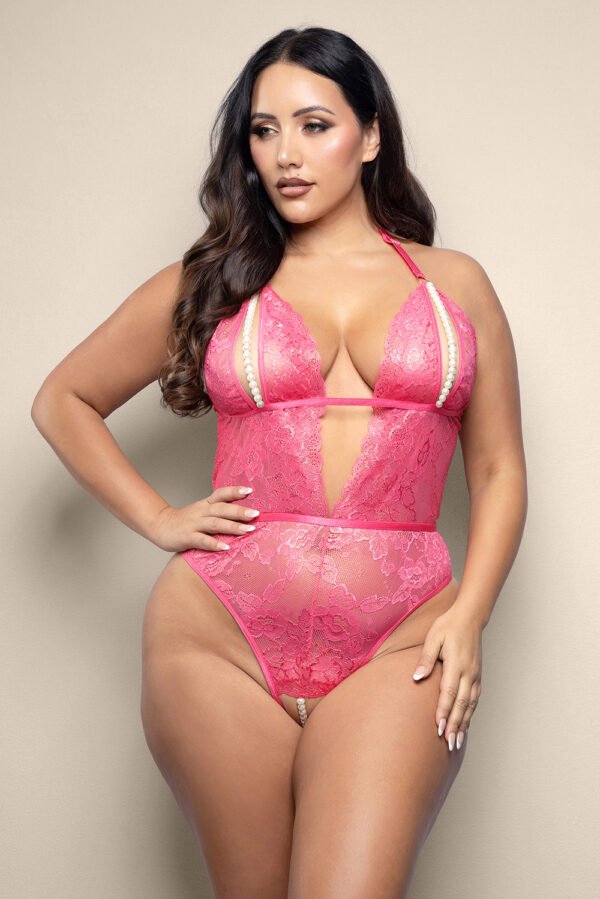
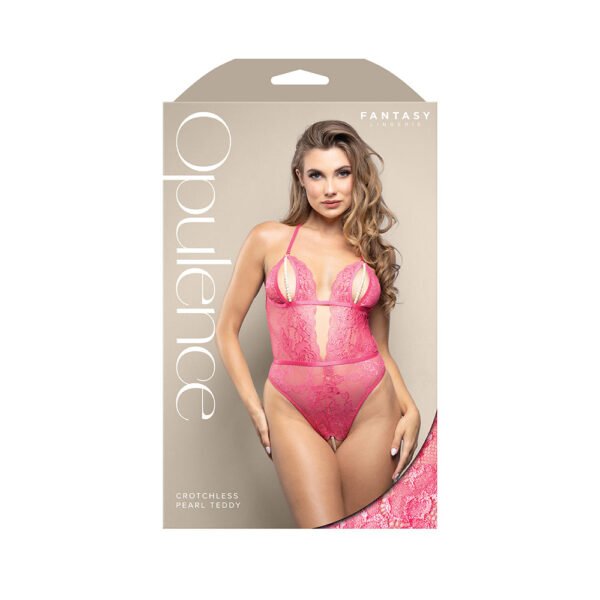
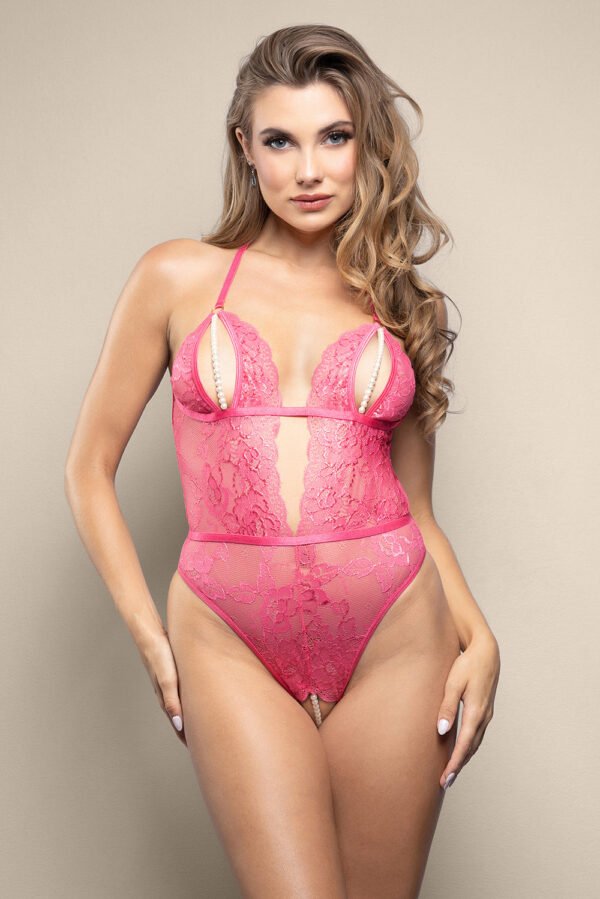
A crotchless bodysuit is a one-piece intimate garment with an open construction at the crotch rather than a snap or thong closure. The open design means the piece stays on during intimacy, which is the main practical reason someone chooses this style over a standard bodysuit. It is available in lace, mesh, and structured fabrics, and it fits the same torso-length sizing rules as any other bodysuit.
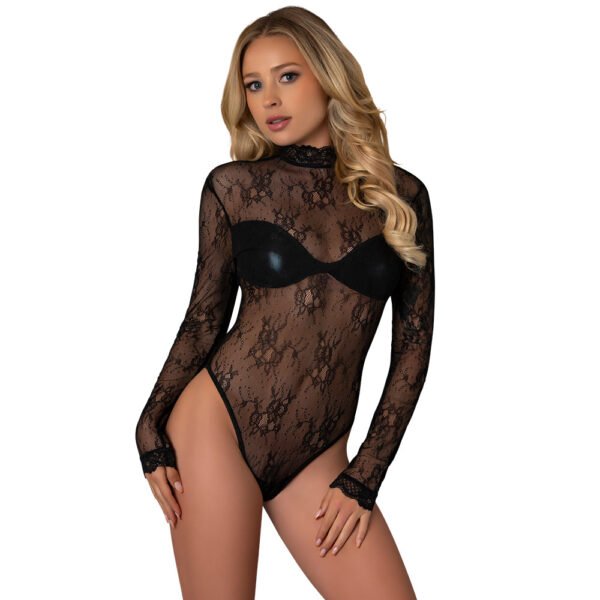
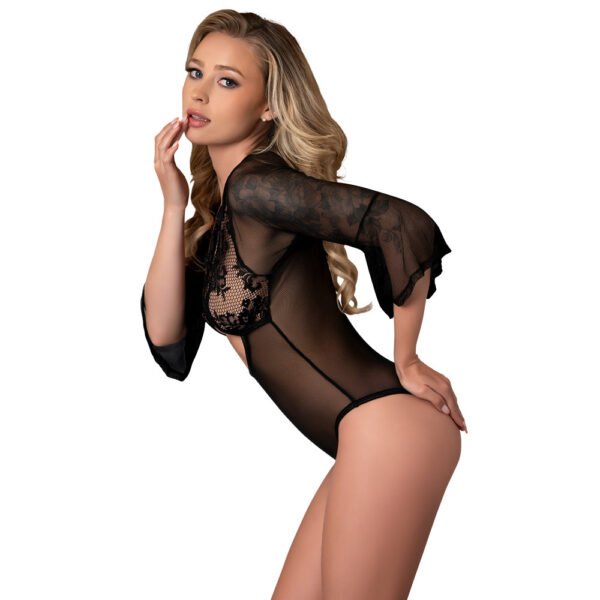
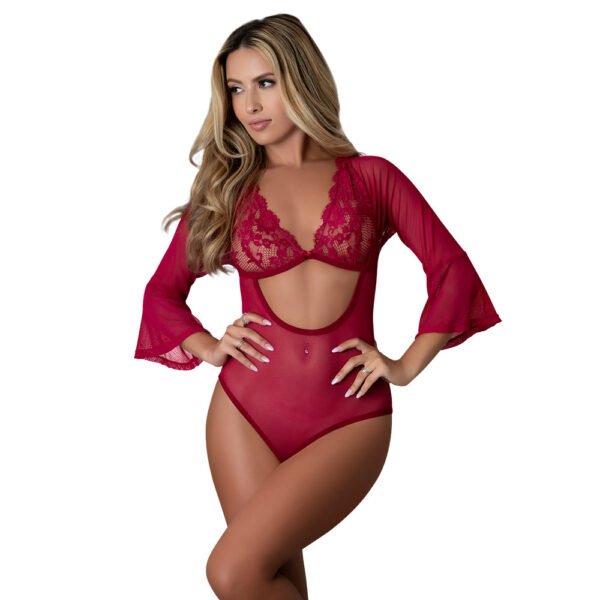
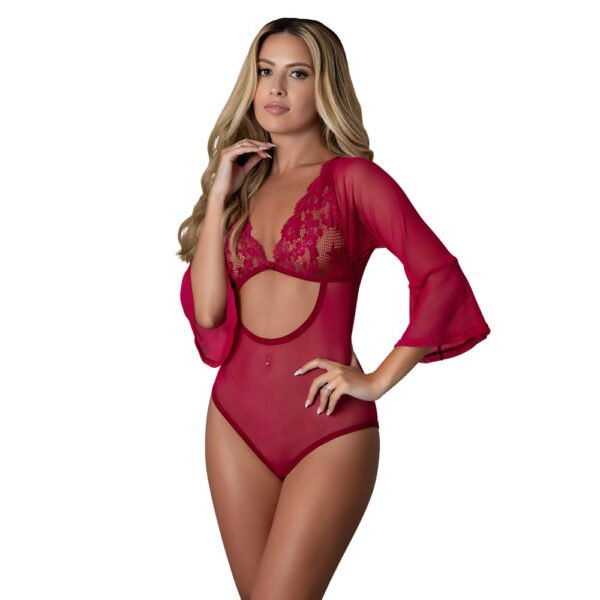
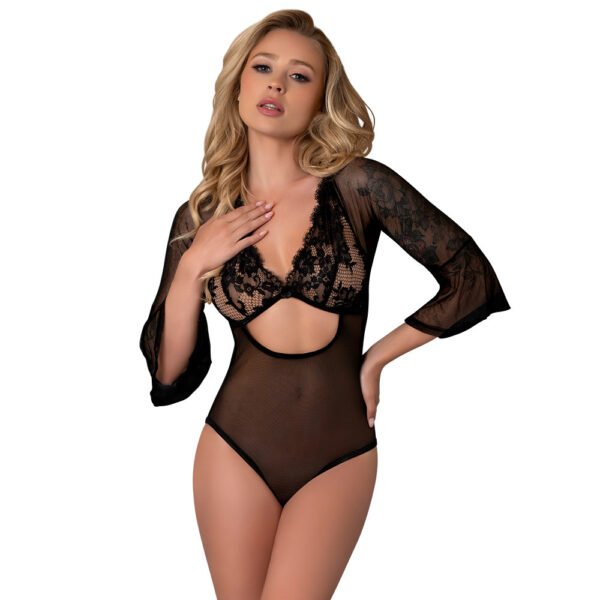
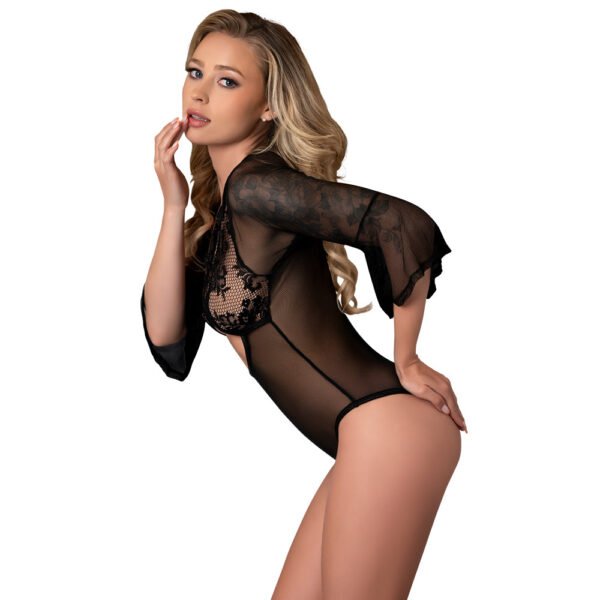
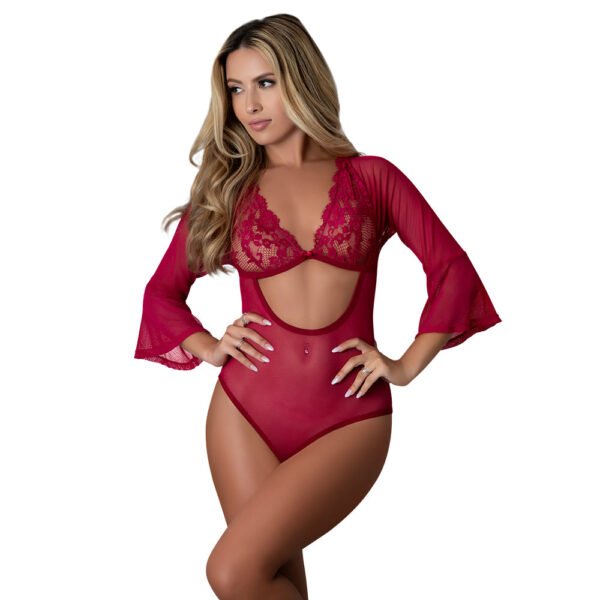
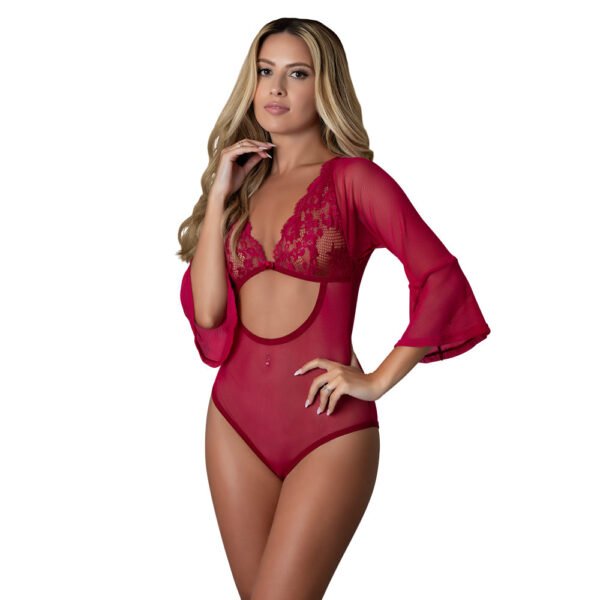
A long sleeve lingerie bodysuit extends coverage from the torso through the arms in a single fitted piece, often in sheer mesh, stretch lace, or wet-look fabric. The sleeve adds a layered, editorial quality that shorter styles do not have, and it works particularly well for boudoir looks or when someone wants more visual coverage without switching to a different garment type. Closures at the crotch follow the same snap or open-bottom conventions as other bodysuit styles.
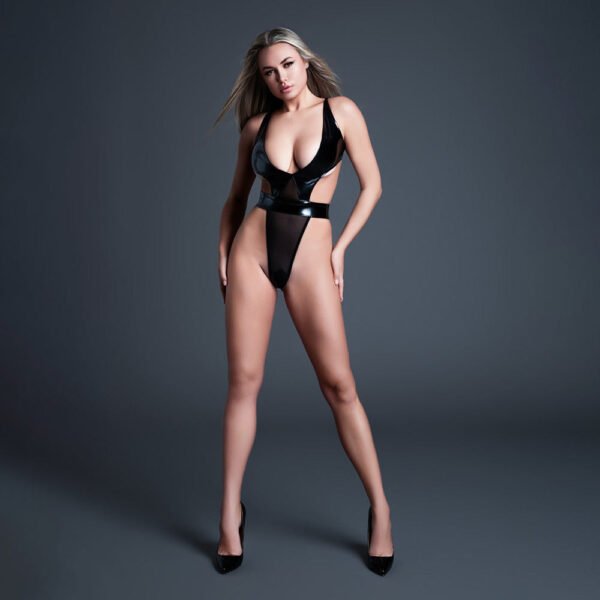
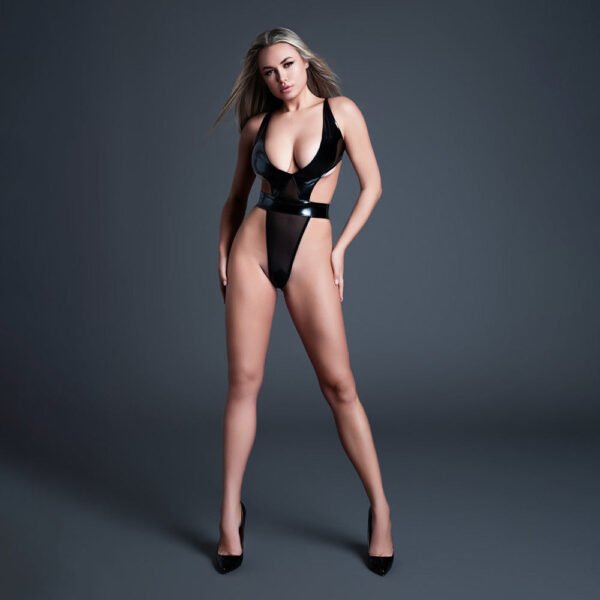
Vinyl and structured bodysuits are one-piece intimate garments that combine latex-look or leatherette panels with mesh or stretch fabric for a high-contrast, body-defining silhouette. The structured construction holds its shape independently, which gives a more sculpted fit than soft-fabric styles. This type tends to appeal to shoppers drawn toward fetish wear aesthetics or anyone who wants a bolder, more editorial bedroom look.
The right lingerie bodysuit comes down to a handful of practical questions: what you want it to feel like, how long you plan to wear it, and what kind of look you are going for. Most people find that narrowing down fabric and closure type first makes every other decision easier.
Beyond fit, there are a few more things worth thinking through before you choose.
Bodysuits work differently depending on what you need from them, so these collections are organized by occasion and style rather than by brand or price.
Lingerie bodysuits last longest when washed by hand in cool water with a gentle, fragrance-free detergent designed for delicates. Lace, stretch mesh, and satin all respond poorly to machine agitation: fibers snag, elastic loses its recovery, and skin-safe dyes can bleed or fade faster than they should. A brief soak, a soft squeeze (never wringing), and a thorough rinse is all most fabrics need.
After washing, lay the bodysuit flat on a clean towel to dry rather than hanging it. Hanging pulls the fabric lengthwise while the spandex is still wet, which distorts the torso length and can permanently stretch the snap closure area. Once dry, store bodysuits flat or loosely rolled, not folded over a hanger where lace trim or hardware can catch on adjacent pieces.
A bodysuit is one of the more forgiving lingerie styles to buy as a gift because sizing depends on a single torso measurement rather than a matched bra-and-underwear combination. If you know the recipient’s general clothing size, a bodysuit with adjustable shoulder straps and a four-way stretch fabric will accommodate a reasonable range without requiring a precise fit. When in doubt, size up: a slightly roomier fit is far more comfortable than one that pulls across the torso.
For anniversaries or honeymoons, a few details make the difference between a thoughtful pick and a generic one. Closure type matters for comfort and ease, so snap-bottom styles suit longer wear while open-bottom or crotchless designs suit more intimate occasions. Fabric and color are personal, but neutral tones like nude or black tend to feel universally wearable, and a satin or lace fabric reads as intentional rather than casual.
A lingerie bodysuit and a teddy are both one-piece intimate garments, but they differ in cut, coverage, and how they fasten. A bodysuit is cut close to the body throughout, with a defined torso, and almost always fastens at the crotch with snaps, an open bottom, or a crotchless construction. The fit is structured and form-fitting from bust to hip, similar in silhouette to a fitted one-piece swimsuit.
A teddy typically has a looser, more relaxed cut through the body, often with a higher leg opening and a bottom that may simply drape or tuck rather than snap closed. Teddies tend to feel lighter and less structured overall. The practical distinction is fit and function: bodysuits hold their shape against the body and work well under clothing or as a complete intimate look on their own, while teddies prioritize ease and a softer, more flowing silhouette.
Sizing varies more between lingerie brands than most people expect, even within the same labeled size. One brand’s S/M may be cut for a 34-inch bust while another’s fits up to 38 inches, so checking the actual inch measurements in each product’s size chart matters more than going by the letter alone. If you are between two size ranges, the general rule is to size up rather than down, since a bodysuit that is slightly relaxed through the torso will be far more comfortable than one that pulls at the snaps or gaps at the cups.
Some bodysuits, particularly opaque styles in microfiber or smooth nylon, layer cleanly under high-waisted skirts or tailored trousers and read as a polished top rather than lingerie. Lace, sheer mesh, and crotchless styles are generally designed for intimate wear rather than everyday layering, since the fabric and construction are not built for the friction and movement of outerwear. If layering is the goal, look for a snap-closure bottom and a relatively smooth, close-fitting fabric with no protruding hardware that would show through.
For most light to medium skin tones, a nude or tan bodysuit does disappear more effectively under white or pale fabrics than black does, because the contrast between the garment and the skin is lower. That said, “nude” is not a single color: the shade that reads as invisible on one person may be clearly visible on another, so matching the bodysuit tone to your own skin rather than to a generic beige is the more reliable approach. For darker skin tones, a deeper tan, brown, or chocolate shade will read as closer to invisible than a pale beige ever will.
Stretch lace and sheer mesh can irritate skin that reacts to rough texture or synthetic finishes, especially along the inner thigh and at seam lines. A cotton-lined gusset is one of the most practical features for sensitive skin, since it keeps breathable, skin-safe fabric against the most contact-prone area regardless of what the outer shell is made from. Smooth nylon-spandex blends and microfiber tend to be gentler against reactive skin than stiff lace or vinyl, and pieces with flat or covered seams rather than exposed elastic edges will cause less friction over an extended wear.
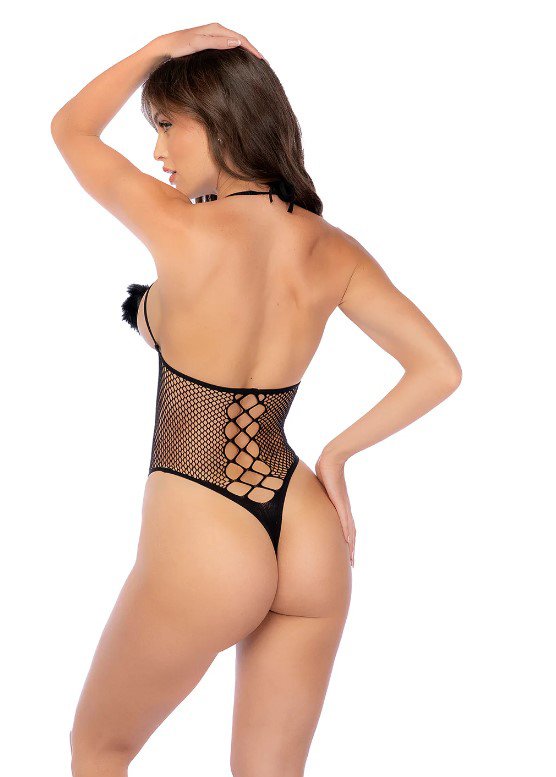
Snap closures, hook-and-eye fasteners, and decorative hardware hold up well when the piece is hand washed and laid flat to dry rather than put through a machine cycle, which can stress metal components and loosen stitching at attachment points. Pearl string details, lace-up cording, and chain accents are decorative rather than structural, so they benefit from being stored flat or loosely folded rather than compressed. With reasonable care, a well-constructed bodysuit should stay in good condition through regular use; the snap closure is usually the first thing to show wear, and on most styles it can be gently re-tensioned by pressing the socket side firmly back into shape.
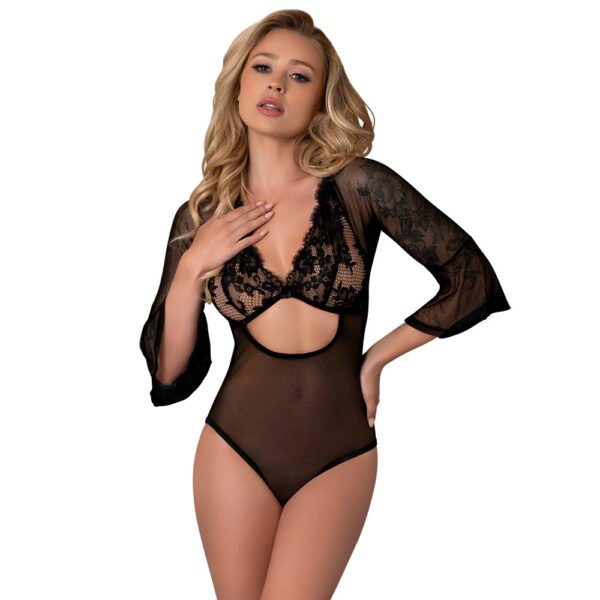
Sheer bodysuits sit on a spectrum: some are barely-there mesh that reveals everything, while others use semi-sheer panels strategically placed alongside opaque sections at the bust or hips for selective coverage. The opacity also changes depending on the color, since a sheer black fabric reads as more obscuring than the same weave in white or nude. Product descriptions will usually note whether a style is fully sheer, semi-sheer, or uses lining at specific panels, so that is the most reliable place to check before buying.
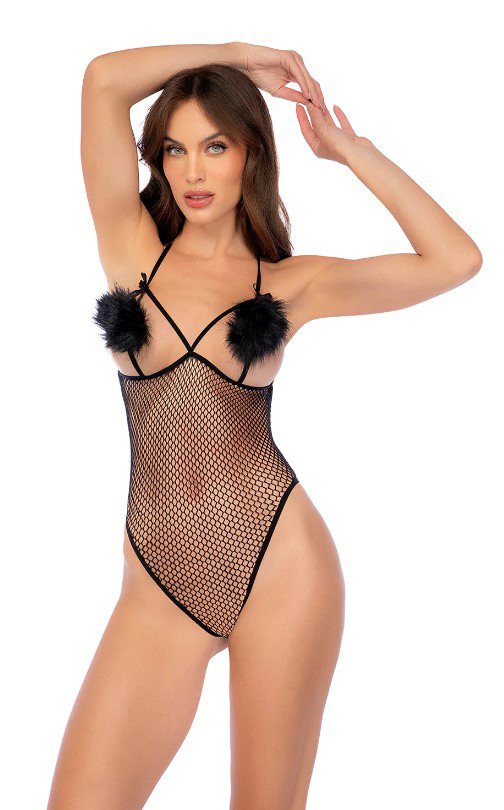
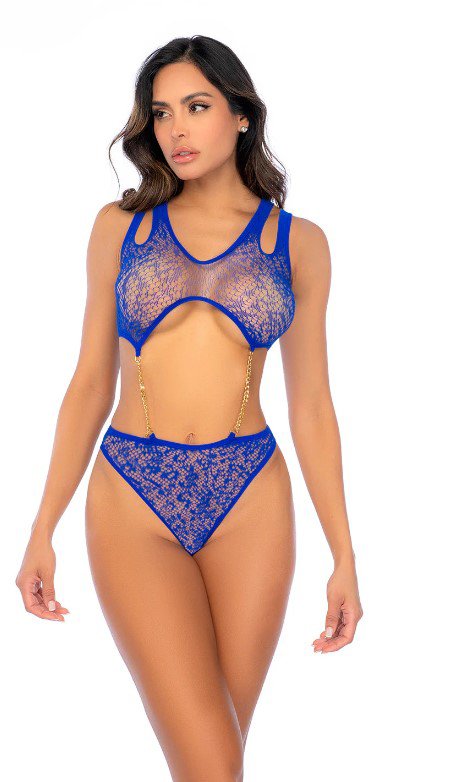
Most lingerie bodysuit sets include a coordinating piece, most commonly a matching thong or G-string, though some styles come with accessories like pasties, a blindfold, or detachable hardware such as cuffs or a leash. The product description will list exactly what is in the box, so it is worth reading that before assuming a set is just the bodysuit alone. Accessories like detachable cuffs or a chain leash are usually designed to be removed and stored separately, which means the bodysuit itself can be worn independently without them.
Every order from Claim Night ships in plain, unmarked packaging with no branding or product description on the outside. The name that appears on your billing statement is “XR. LLC,” not Claim Night or any lingerie-related label. Privacy is built into every order by default, so there is nothing to opt into or request separately. That applies whether you are buying for yourself or sending something directly to someone else.

Helpful guides, product tips, and simple explanations to help you find what feels right.
No account yet?
Create an Account